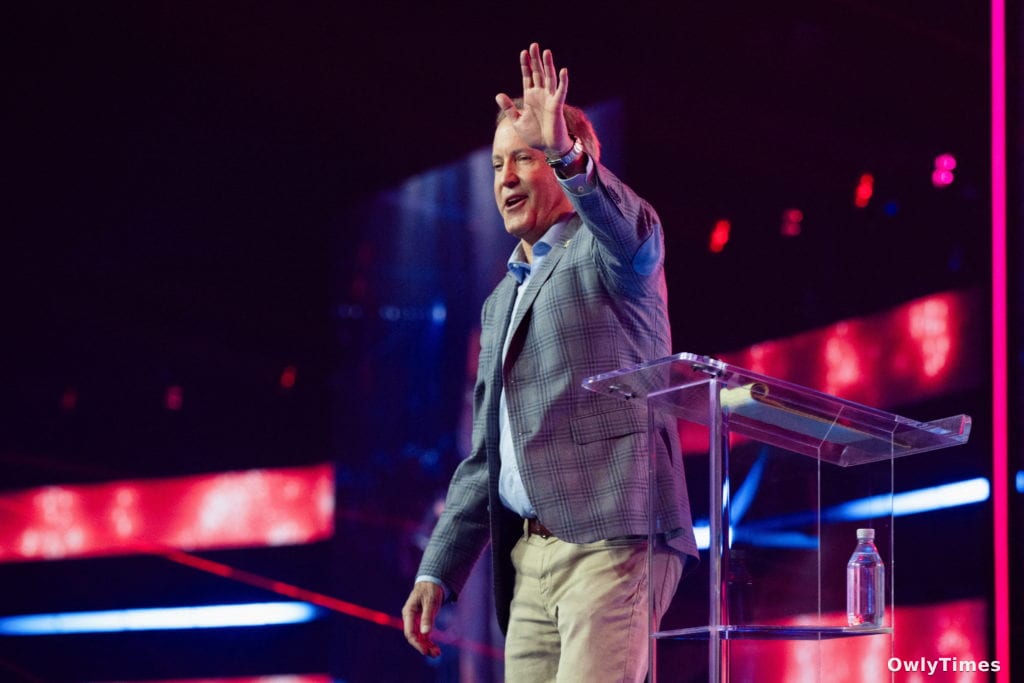

The Calculus of Defiance: Ken Paxton’s Senate Bid and the Remaking of the Texas GOP
The strategic calculation behind Ken Paxton’s improbable Senate run isn’t about winning over moderates or appealing to traditional Republican donors – it’s a calculated bet that the base rewards defiance, even in the face of overwhelming opposition and personal scandal. While establishment Republicans, led by John Cornyn, are pouring over $54 million into discrediting him, Paxton is leveraging the same forces that propelled Donald Trump to power: a narrative of fighting against a corrupt Washington D.C. and a direct appeal to voters who prioritize ideological purity over conventional political respectability. This isn’t simply a primary; it’s a test case for whether the Texas GOP will fully embrace the populist-nationalist realignment sweeping the party.
The dynamics are stark: Paxton is attempting to unseat a four-term incumbent, Cornyn, who is backed by the Senate Republican leadership and a deluge of establishment funding. Cornyn’s campaign and allied super PACs are relentlessly hammering Paxton on his impeachment proceedings and allegations of marital infidelity, attempting to paint him as unfit for office. Yet, despite this onslaught, Paxton appears to be the frontrunner, fueled by a consistent message of conservative activism and a willingness to engage in legal battles against the Biden administration – a strategy that has kept him in the headlines and solidified his standing with the base. The question isn’t whether Paxton is a conventional candidate, but whether conventional tactics even work against him.
See the original PBS story for the full account.
This situation echoes historical precedents of insurgent candidates successfully challenging established party figures. Consider the rise of Barry Goldwater in 1964, who, like Paxton, tapped into a deep well of conservative discontent and ran against the perceived moderation of the Republican establishment. While Goldwater lost the general election, he laid the groundwork for the conservative movement that would later propel Ronald Reagan to the presidency. Similarly, Paxton’s campaign, regardless of its outcome, is reshaping the Texas Republican landscape, forcing a reckoning with the party’s identity and priorities. Who benefits and who loses here isn’t simply Paxton and Cornyn, but the broader factions within the Texas GOP vying for control.
Paxton’s strategy relies heavily on framing the race as a battle against “Washington, D.C.” and its influence. As he stated on “Fox News Sunday,” “They are sending the money from D.C., and they’re helping John Cornyn.” This narrative resonates with voters who feel alienated from the national political establishment and believe their interests are not being represented. He’s simultaneously leveraging his record as Attorney General, highlighting his lawsuits against the Biden administration on issues like immigration and border security, and his challenges to federal overreach on issues like gender-affirming care and even Tylenol marketing. These actions, while often controversial, serve to reinforce his image as a conservative crusader willing to take on the establishment. The timing of these legal battles, coinciding with his campaign, is no accident – they are integral to his political brand.
The financial disparity is telling. While Cornyn and his allies have spent over $54 million, Paxton initially waged a lower-wattage campaign, relying on his existing profile and conservative activism. However, with early voting beginning on March 3rd, Paxton has begun to ramp up his advertising, including spots featuring praise from Donald Trump. This late surge in spending, coupled with Trump’s potential endorsement, suggests a calculated effort to capitalize on the former president’s continued influence in the state. The fact that Trump hasn’t endorsed yet is itself a strategic move, maintaining leverage and maximizing the impact of a future announcement. The Senate Republican leadership’s anxiety is palpable, as evidenced by a recent memo obtained by the Associated Press, which states that Paxton “puts the seat at risk” and that Cornyn “wins the general election.” This isn’t simply about winning a primary; it’s about preserving a seat in a state considered crucial for Republican control of the Senate.
The political chess move to watch next is Donald Trump’s endorsement. Will he align himself with the embattled Paxton, signaling a further break from the Republican establishment? Or will he remain neutral, potentially allowing Cornyn to emerge victorious? The answer will not only determine the outcome of the Texas Senate primary but will also offer a crucial insight into the future direction of the Republican Party and the enduring power of the “MAGA” movement. The stakes are high, and the outcome will reverberate far beyond the borders of Texas.





