
The roar in the locker room wasn’t just for the gold. It was for the sheer audacity of the ask. As the US men’s Olympic hockey team celebrated their overtime victory against Canada, a speakerphone materialized, held by an unlikely figure – FBI Director Kash Patel – and the voice of Donald Trump boomed through, offering a military plane to whisk them to Washington for the State of the Union address. The players’ enthusiastic “we’re in” wasn’t simply a response to a celebratory invitation; it was a glimpse into a complex dance between athletic achievement, political spectacle, and the ever-present weight of expectation. But the story doesn’t end with the men’s team. It fractures, revealing a quiet refusal that speaks volumes about the shifting landscape of athlete activism and the enduring tensions surrounding political endorsements.
A Split Response: Beyond the Cheers and Scheduling Conflicts
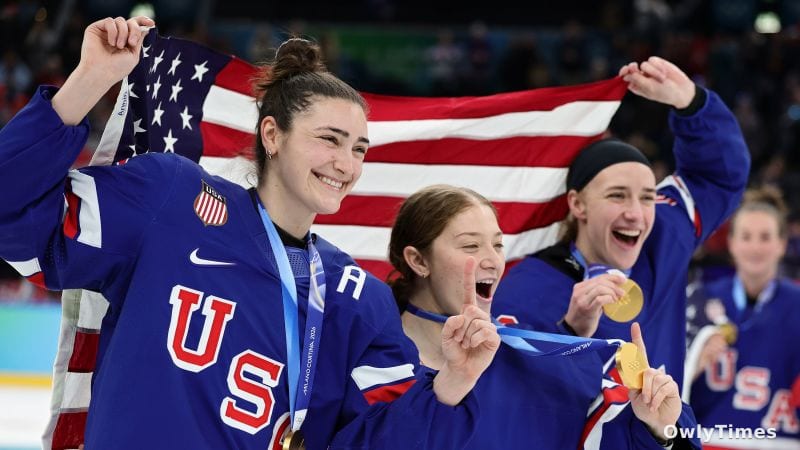
The women’s team, fresh off their own nail-biting 2-1 overtime win against Canada, offered a politely worded decline. “Due to the timing and previously scheduled academic and professional commitments following the Games, the athletes are unable to participate,” a team spokesperson stated. The phrasing is carefully neutral, a masterclass in diplomatic evasion. But “scheduling conflicts” feels like a carefully constructed shield, obscuring a more significant message. This isn’t about calendars; it’s about calculation. The women’s team, having already navigated the Trump White House during their 2018 PyeongChang gold, understands the optics. Accepting the invitation risks alienating a segment of their fanbase and inviting a storm of criticism, while declining allows them to maintain a degree of autonomy. The men’s team, still considering their options, faces a similar dilemma, but the initial, unreserved enthusiasm suggests a different calculus.
See the original CNN story for the full account.
The contrast is particularly stark given the context of the men’s victory – their first Olympic gold since the legendary 1980 “Miracle on Ice.” That 1980 win was a Cold War narrative, a symbol of American resilience. This win, while equally thrilling, arrives in a far more fractured political climate. Jack Hughes, the hero who scored the game-winning goal, immediately acknowledged the women’s team’s achievement, specifically mentioning Megan Keller and her overtime goal. This gesture of solidarity, however, feels almost overshadowed by the political undertones of the invitation itself. Hughes’s immediate thought being Keller highlights the camaraderie within Team USA, but the subsequent political maneuvering threatens to disrupt that unity.
The President’s Remark and the Impeachment Threat
President Trump’s initial offer wasn’t simply a gesture of congratulations. It was laced with a thinly veiled threat. “I must tell you, we’re gonna have to bring the women’s team — you do know that,” he said, followed by the startling admission, “If they weren’t invited, I do believe I probably would be impeached, OK?” This isn’t a president celebrating athletic achievement; it’s a politician acutely aware of public perception and the potential for political fallout. The remark, met with laughter from the players, reveals a cynical understanding of how optics function in the age of social media. It’s a calculated attempt to preempt criticism and frame the invitation as a matter of fairness, rather than a political maneuver. The fact that the White House has not responded to CNN’s request for comment only amplifies the sense that this is a situation they’d prefer to avoid further scrutiny of.
The incident also underscores a growing trend: the increasing politicization of sports. Athletes are no longer expected to simply “stick to sports.” They are increasingly asked to take a stand on social and political issues, and their choices – whether to accept or decline invitations like this one – are subject to intense public scrutiny. This pressure is particularly acute for female athletes, who often face a double standard when it comes to political expression. While male athletes are often celebrated for their outspokenness, female athletes are frequently criticized for being “too political” or “divisive.”
A League of Their Own: The PWHL’s Looming Return
The timing of this invitation and subsequent decline is also significant considering the current state of professional women’s hockey. The Professional Women’s Hockey League (PWHL) is set to resume its season this Thursday, a landmark moment for the sport. After years of fighting for a sustainable league, these athletes are finally getting a platform to showcase their talent. The attention generated by the Olympic victory, and the subsequent political drama, could be a boon for the PWHL, raising its profile and attracting new fans. However, it also risks overshadowing the athletes’ accomplishments and turning the focus back onto political controversies. The league, still in its infancy, needs to capitalize on the momentum of the Olympic win without getting bogged down in the political crossfire.
The women’s team’s decision to decline the invitation isn’t just a statement about their schedules; it’s a statement about their agency. It’s a signal that they are willing to prioritize their own values and commitments over political expediency. It’s a reminder that athletes are not simply pawns in a political game, but individuals with their own beliefs and priorities. As the men’s team deliberates, and the PWHL prepares for its return, the question remains: will athletes continue to navigate this increasingly complex landscape with the same quiet strength and calculated resistance demonstrated by the US Olympic women’s hockey team? The future of athlete activism, and the relationship between sports and politics, may well depend on it.