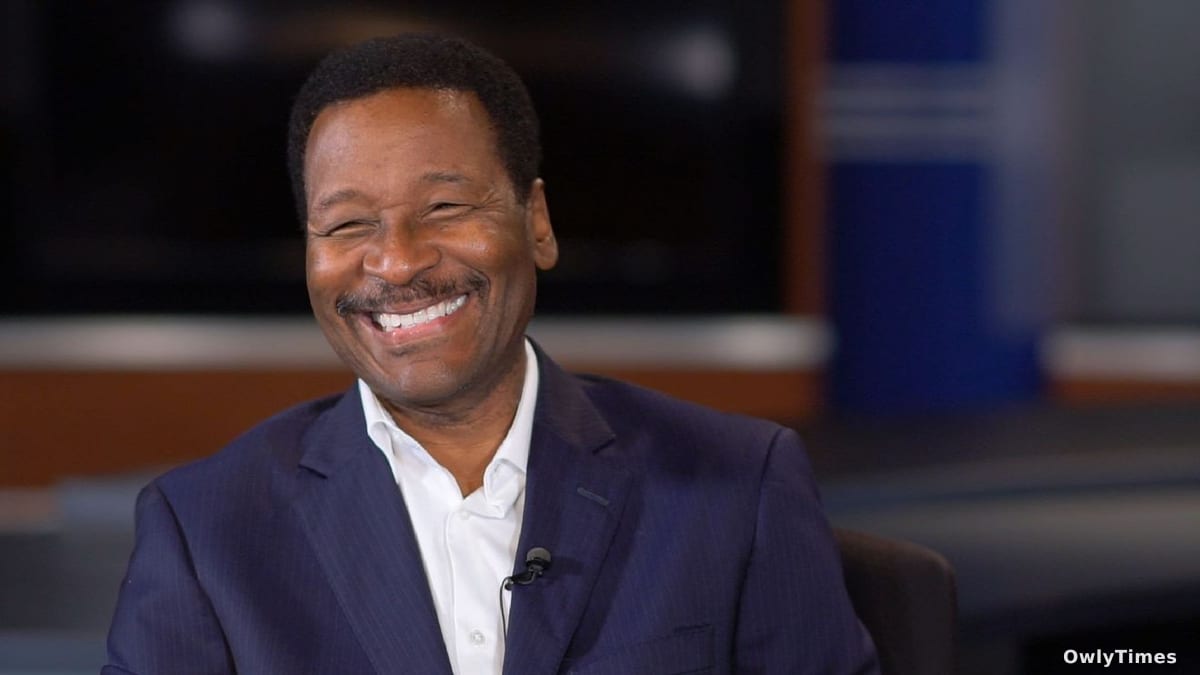

The bridge between complex atmospheric data and public understanding is perhaps the most critical component of modern science communication. While academic research often dwells in the isolation of peer-reviewed journals, the late Steve Pool demonstrated for over four decades that meteorology is a public service, requiring both precision and an accessible narrative. Following his death on November 21, 2023, after a battle with early-onset Alzheimer’s disease, the University of Washington has begun a tangible effort to sustain this philosophy of public-facing science.
Cultivating the Next Generation of Atmospheric Communicators
The Department of Atmospheric and Climate Science recently announced that Zayna Haider has been named the inaugural recipient of the Steve Pool Memorial Scholarship. According to a report by KOMO News, the award recognizes an undergraduate whose academic work and commitment to public engagement mirror the approach Pool cultivated during his tenure at KOMO. For students like Haider, who is currently focusing her studies on atmospheric chemistry, the scholarship provides more than financial assistance; it validates the importance of translating technical meteorological insights for a broader audience.
What this development signifies is a shift in how atmospheric departments view the role of the modern scientist. The scholarship, established in 2024, seeks to move beyond the traditional metrics of academic research—such as citation counts or laboratory output—to include a focus on the ability to translate scientific phenomena into meaningful public discourse. Pool’s own career path, which began as a student intern at the university in 1974 before he moved into a full-time role in 1977, serves as a blueprint for this integration of academic training and public service.
Limitations in Quantifying Public Engagement
While the establishment of this endowment is a clear success for the department, it is important to consider the limitations of such initiatives in the broader scientific landscape. Measuring "public engagement" remains notoriously difficult compared to measuring core scientific competencies. While the Department of Atmospheric and Climate Science highlights Haider’s curiosity and dedication as reflecting the "spirit of Steve’s work," the actual impact of these qualities is subjective and long-term. Unlike a clinical trial or a climate model, the success of a science communicator is rarely captured in a single data point, making the efficacy of the scholarship a metric that will take years to fully realize.
The Path Forward for Climate Literacy
The immediate future of this initiative hinges on the ongoing success of its beneficiaries. Haider is scheduled to participate in a NASA internship program this summer, a significant milestone that highlights the practical application of her atmospheric chemistry studies. As the university continues to manage the memorial fund, the next reading of the scholarship’s impact will be the career trajectories of its recipients. Whether these students prioritize research, policy, or public-facing communication will determine if the program successfully honors the legacy of a broadcaster who spent 42 years making the complexities of the atmosphere understandable for millions of residents across Western Washington. By directly funding these undergraduates, the university is making a measured bet that the next generation of climate scientists can be as effective at informing the public as they are at analyzing the data.





