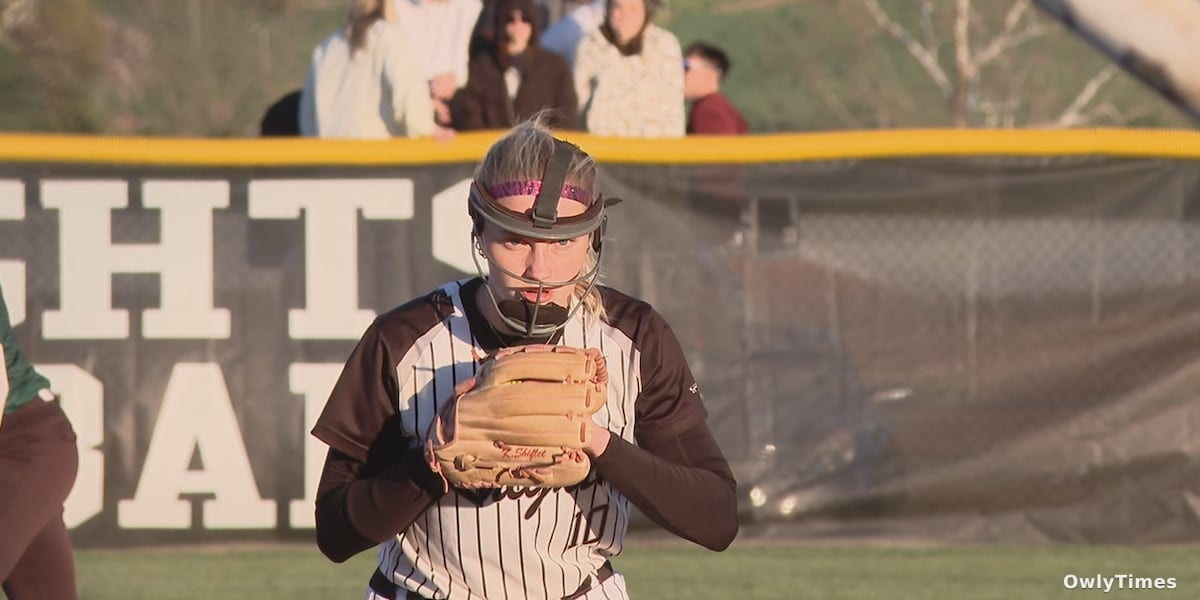

The late afternoon sun cast long shadows across the Turner Ashby High School softball field Tuesday, but the real drama wasn’t just unfolding on the diamond. It was simmering in the stands, in the booster club meetings, and in the quiet anxieties of parents across the Shenandoah Valley. Because in small-town Virginia, high school sports aren’t just games; they’re a vital social fabric, a source of identity, and increasingly, a barometer of community well-being. The final score – Broadway edging Turner Ashby 6-4 – feels almost secondary to the larger story of a spring season in full, furious swing, and what those scores reveal about the shifting dynamics of athletic dominance in the region.
The Widening Gap: When Winning Isn't Everything
A quick scan of Tuesday’s results, compiled by WHSV, paints a picture of stark contrasts. Luray’s football-score-like 21-0 dismantling of Stonewall Jackson in softball, and Central’s 19-0 victory over Madison Co., aren’t just wins; they’re statements. They highlight a growing disparity in resources and talent between larger, well-funded schools and their smaller, rural counterparts. While celebratory for the winning teams, these lopsided scores raise uncomfortable questions about competitive balance. Is the current system truly fostering athletic development for all students, or is it simply concentrating success in a handful of programs? The numbers don’t lie: these aren’t isolated incidents. Across baseball, softball, soccer, and tennis, the margins of victory are widening, suggesting a trend that extends beyond a single Tuesday night.
This piece references the whsv.com report.
Beyond the Scoreboard: The Economic Engine of High School Sports
The impact of these athletic programs extends far beyond the field. Consider the economic ripple effect. A successful team draws crowds, boosting local businesses – from the diner where players celebrate post-game to the sporting goods store stocking team apparel. Waynesboro’s 8-4 baseball win over Staunton and their 18-1 softball victory likely meant a busy night for local restaurants. But what happens when a program consistently loses? Attendance dwindles, community pride suffers, and the economic benefits evaporate. This isn’t just about bragging rights; it’s about the health of the local economy, particularly in areas where high school sports represent a significant source of entertainment and social activity. The fact that Riverheads shut out Rocktown 16-0 in softball, while a clear victory for Riverheads, also speaks to the challenges facing Rocktown’s athletic program and its potential impact on the surrounding community.
The Rise of Specialized Training and Its Consequences
The dominance of certain schools also points to a larger trend in youth sports: the increasing professionalization of training. While once a pastime enjoyed for fun and camaraderie, youth sports are now often characterized by year-round travel teams, private coaching, and intense pressure to perform. Schools with robust booster clubs and access to affluent families are better positioned to capitalize on this trend, attracting talented athletes and providing them with the resources they need to excel. Spotswood’s consistent success in baseball (2-0 over East Rockingham) and boys tennis (9-0 over East Rockingham) likely reflects this advantage. This creates a self-perpetuating cycle of success, where already-strong programs become even stronger, leaving smaller schools struggling to compete. The question becomes: is high school sports becoming less about equal opportunity and more about socioeconomic privilege?
A Call for Re-Evaluation: Leveling the Playing Field
The results from Tuesday night, and the broader trends they represent, demand a serious conversation about the future of high school athletics in the Shenandoah Valley. Simply celebrating wins isn’t enough. We need to ask ourselves: are we creating a system that truly benefits all students, or are we exacerbating existing inequalities? Should there be stricter regulations on private coaching and travel teams? Should funding be allocated more equitably to ensure that all schools have the resources they need to compete? The Virginia High School League (VHSL) needs to proactively address these issues, perhaps through redistricting, scholarship programs, or increased funding for smaller schools. Otherwise, we risk turning high school sports into a showcase of privilege, rather than a celebration of athletic achievement and community spirit. The next few months, as spring championships approach, will be a crucial test of whether the VHSL is willing to confront these challenges and ensure a level playing field for all.

