
The strategic calculus behind the Biden-successor administration’s push for diplomacy in Islamabad is a classic exercise in projection, intended to maintain the appearance of control amidst an escalating maritime confrontation. By dispatching a high-level delegation while the primary adversary explicitly rejects the premise of the meeting, the White House is betting that the mere presence of an American team can stabilize jittery global markets and signal resolve to domestic stakeholders. This move functions less as a genuine opening for de-escalation and more as a preemptive strike against accusations of executive passivity during a regional crisis.
Maritime Seizures and the Breakdown of Diplomatic Norms
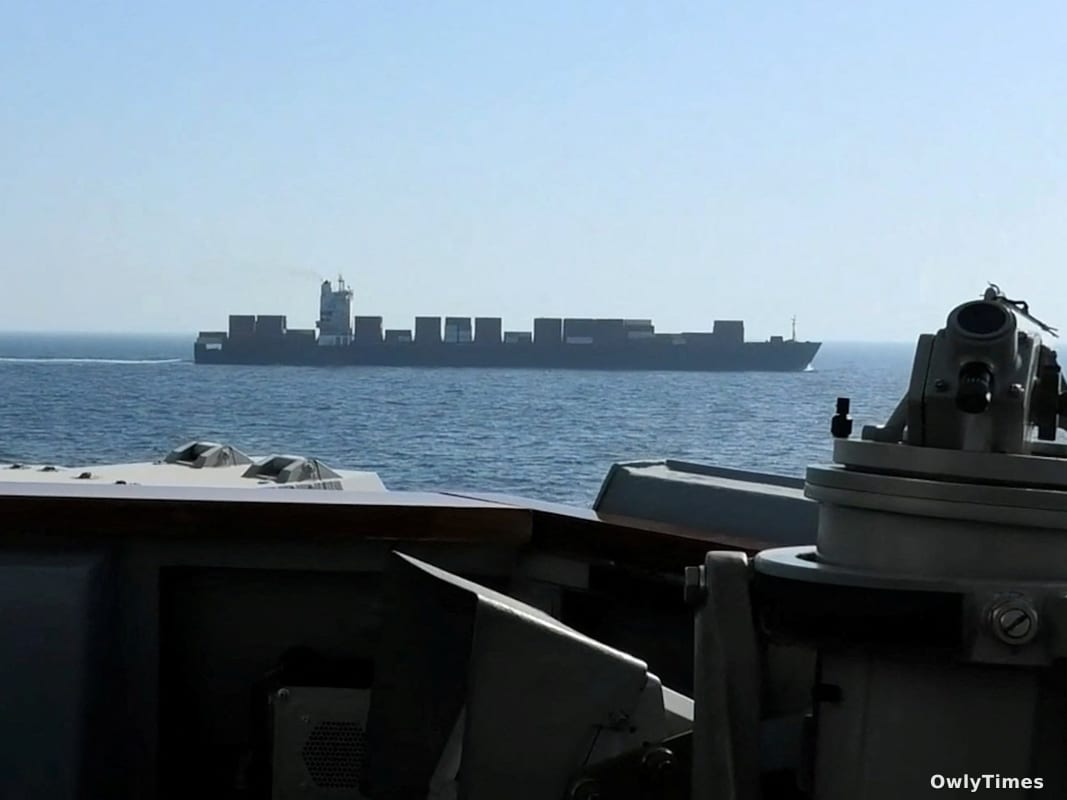
The current tension is rooted in the recent United States seizure of an Iranian-flagged cargo ship in the Strait of Hormuz. This action, a significant escalation in the ongoing regional instability, has effectively frozen the diplomatic channels that the administration is now attempting to revive. When a sovereign power interdicts a commercial vessel, it signals that strategic interests in maritime logistics have superseded the protocols of traditional statecraft. For Iran, the refusal to engage in negotiations is a tactical response to what it views as a violation of its maritime sovereignty.
In the "who benefits and who loses" framework, the administration stands to gain political capital by appearing to lead through diplomacy, even if the effort is doomed to fail. Conversely, the Iranian leadership benefits by appearing as the aggrieved party, leveraging the seizure to rally domestic support and justify its refusal to participate in the talks proposed for April 20, 2026. The real losers in this standoff are the commercial shipping interests navigating the Strait of Hormuz, who now face heightened uncertainty and the risk of further retaliatory actions.
The Islamabad Gambit and Executive Positioning
Despite the categorical denial from Tehran regarding its intent to send negotiators to Pakistan, President Donald Trump remains committed to the optics of the mission. The delegation, led by Vice President JD Vance, is currently en route to Islamabad. This maneuver mimics the high-stakes summitry often employed by previous administrations to project global leadership during periods of intense geopolitical friction. By deploying the Vice President, the administration is elevating the visibility of the attempt, making it harder for critics to claim that the White House is ignoring the gravity of the situation.
The contradiction between the public stance of the Iranian government and the persistent travel of the American delegation highlights the widening gap between the two nations' strategic objectives. While the administration frames the Islamabad mission as a path toward conflict resolution, the absence of an Iranian counterpart renders the meeting an exercise in unilateral messaging. If the delegation arrives in Islamabad only to find empty chairs, the administration will be forced to pivot from a narrative of negotiation to one of containment.
Monitoring the Strait of Hormuz
The effectiveness of this diplomatic push will be measured not by the outcome of the meetings in Pakistan, but by the volume of traffic and the security status of vessels in the Strait of Hormuz. Should the frequency of maritime interdictions increase, it will signal that the administration’s focus on high-level talks has failed to secure the necessary back-channel assurances. The next report on traffic flow through the Strait will serve as the primary metric to determine whether this latest diplomatic chess move has succeeded in de-escalating the crisis or if it has merely served as a backdrop to a deepening confrontation.





