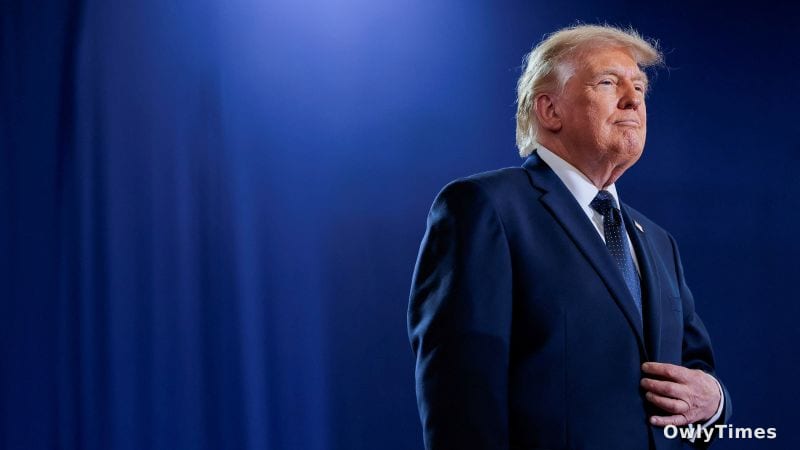

The optics of President Donald Trump canceling a trip to his New Jersey golf resort and skipping his son’s wedding in the Bahamas serve as a clear indicator of the administration's current strategic posture. By framing his presence in Washington as a necessity for the "Government" and his "love for the United States of America," Trump is signaling to both domestic critics and foreign adversaries that the decision-making process regarding the war with Iran has reached a critical juncture. The shift from a campaign-style itinerary to a focused, in-residence command posture suggests that the White House is preparing for an inflection point that could pivot between a finalized diplomatic breakthrough or a resumption of kinetic military action.
The Calculus of Diplomatic Mediation
The current diplomatic landscape involves a complex web of intermediaries, most notably delegations from Qatar and Pakistan now active in Tehran. The late-night meeting between Pakistan’s Army Chief Asim Munir and Iran’s Foreign Minister Abbas Araghchi highlights an urgent attempt to manage de-escalation, yet the stated reality remains fraught with difficulty. Iranian Foreign Ministry spokesperson Ismail Baghaei has openly characterized the divide between Tehran and Washington as “very deep,” noting that any resolution requires more time. This creates a friction point for the White House, as the administration’s stated desire for a swift end to the conflict clashes with the reality of slow-moving, multi-party negotiations.
The Stakeholders in the Oval Office
The composition of the Friday national security meeting provides insight into the administration's internal power dynamics. The inclusion of Vice President JD Vance and Defense Secretary Pete Hegseth, alongside comments from Chairman of the Joint Chiefs of Staff Gen. Dan Caine at the US Naval Academy in Annapolis, underscores a unified focus on the military and executive options currently on the table. Those who benefit from this high-pressure approach are the hawks within the security apparatus who favor decisive action, while those who lose—or at least bear the highest risk—are the diplomatic envoys currently working to prevent an escalation that would render their current negotiations moot.
Precedent for Presidential Focus
The decision to abandon personal commitments in favor of crisis management draws a parallel to how previous administrations have handled periods of heightened national security tension, where the visibility of the President’s schedule is used to project strength and commitment. Much like the 2008 financial crisis required leaders to remain tethered to the White House to signal stability, Trump’s public renunciation of his weekend plans serves to underscore the gravity of the "circumstances pertaining to Government." This maneuver is designed to maintain leverage over Iran, ensuring that the threat of military strikes—which Trump noted he was an hour away from ordering earlier this week—remains a credible deterrent while the window for diplomacy stays cracked open.
The Upcoming Threshold for Decision
The immediate trajectory of this conflict rests on the administration's self-imposed timeline. Trump has provided a loose deadline of early next week for Iran to return a suitable offer to end the war. Because the Friday meeting concluded without a definitive decision, the next reading of whether the Iranian response meets these criteria will determine if the current diplomatic grind yields a settlement or if the administration pivots to the military options already presented to the President. The success or failure of these talks, measured against that early-week threshold, remains the primary variable in determining the next phase of the conflict.