
The Calculus of Concession: Venezuela’s Amnesty Bill and the Shifting Power Landscape
The signing of Venezuela’s amnesty bill by acting President Delcy Rodriguez isn’t a gesture of goodwill, but a calculated maneuver to consolidate power in the wake of the January 3rd US military intervention in Caracas and the abduction of Nicolas Maduro. The law, acknowledging the existence of “political detainees” after decades of denial, isn’t about justice or reconciliation; it’s about managing the fallout from a dramatically altered geopolitical reality and securing a fragile hold on power. The timing – following concessions to the US regarding oil shipments to Cuba and opening the state-controlled oil industry – reveals a clear strategic alignment with the Donald Trump administration, a dynamic previously unthinkable under Maduro.
Based on the original Al Jazeera report.
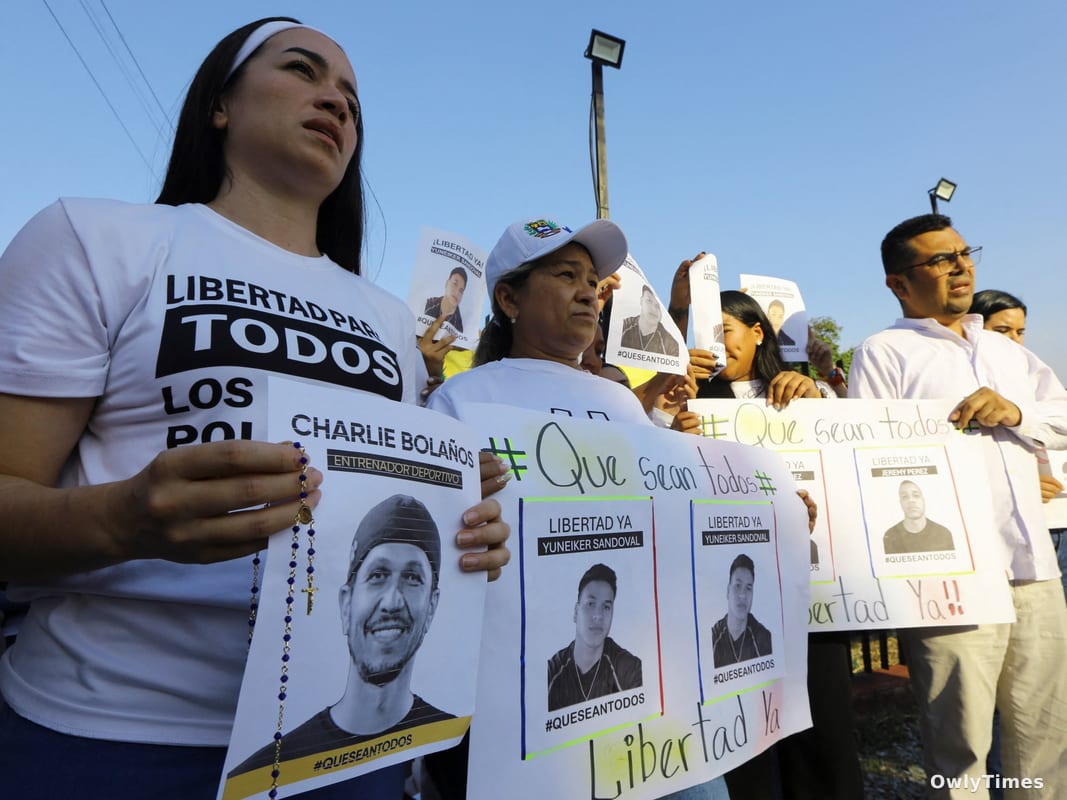
The immediate beneficiaries are potentially hundreds of opposition politicians, activists, and lawyers imprisoned over the past 27 years. Foro Penal, a Venezuela-based prisoners’ rights group, estimates over 600 remain in custody despite 448 releases since January 8th. However, the scope of the amnesty is deliberately limited. Crucially, those convicted of “military rebellion” related to the 2019 events are excluded, effectively shielding the government from accountability for its suppression of dissent during that period. This selective application highlights the bill’s primary function: to appease international pressure while preserving the regime’s core power structure. Who loses? Those deemed a continuing threat – individuals involved in attempts to directly challenge the government’s military authority – remain vulnerable, and the families of those still imprisoned face continued uncertainty despite earlier promises from Rodriguez.
This situation echoes the post-Soviet transitions in Eastern Europe, where amnesties were often used to smooth the path for new regimes while simultaneously protecting former officials from prosecution. In Czechoslovakia, for example, a broad amnesty in 1990, while releasing political prisoners, also shielded those responsible for human rights abuses under communist rule. The Venezuelan case, however, is distinct in its context of direct external intervention. The US military action and Maduro’s removal have fundamentally altered the internal power dynamics, forcing Rodriguez to negotiate with a new set of constraints. The fact that the law doesn’t address asset recovery, public office bans, or sanctions against media outlets further underscores its limited scope and the regime’s intent to retain control over key economic and informational levers.
The opposition itself is fractured, revealing the inherent challenges of navigating this new landscape. While Nora Bracho hailed the bill as a “great step forward,” Pedro Urruchurtu, international relations director for Maria Corina Machado, dismissed it as a “trap to buy time and revictimize those persecuted.” This division is not accidental. The Trump administration’s overt praise of Rodriguez and downplaying of support for the opposition actively incentivizes this fragmentation, creating space for a negotiated settlement that favors the current regime. The US, controlling the proceeds from Venezuela’s oil sales until a “representative government” is established, holds significant leverage, but appears content with a pragmatic outcome that prioritizes stability and access to oil reserves over a full-scale democratic transition.
The most telling aspect of this unfolding drama is the shift in US policy. The Trump administration’s willingness to engage with Rodriguez, a former deputy to Maduro, represents a significant departure from previous US policy towards Venezuela. This pragmatism, coupled with the amnesty bill, suggests a tacit acceptance of a modified version of the existing regime, one that is more amenable to US interests. The question now isn’t whether the amnesty will fully deliver on its promises – it demonstrably won’t – but whether Rodriguez can maintain this delicate balancing act between appeasing the US, managing internal dissent, and preserving her own position. The next political chess move to watch is whether the US will begin to release Venezuelan oil revenue to Rodriguez’s government, and under what conditions. That decision will reveal the true extent of the Trump administration’s endgame in Venezuela.





