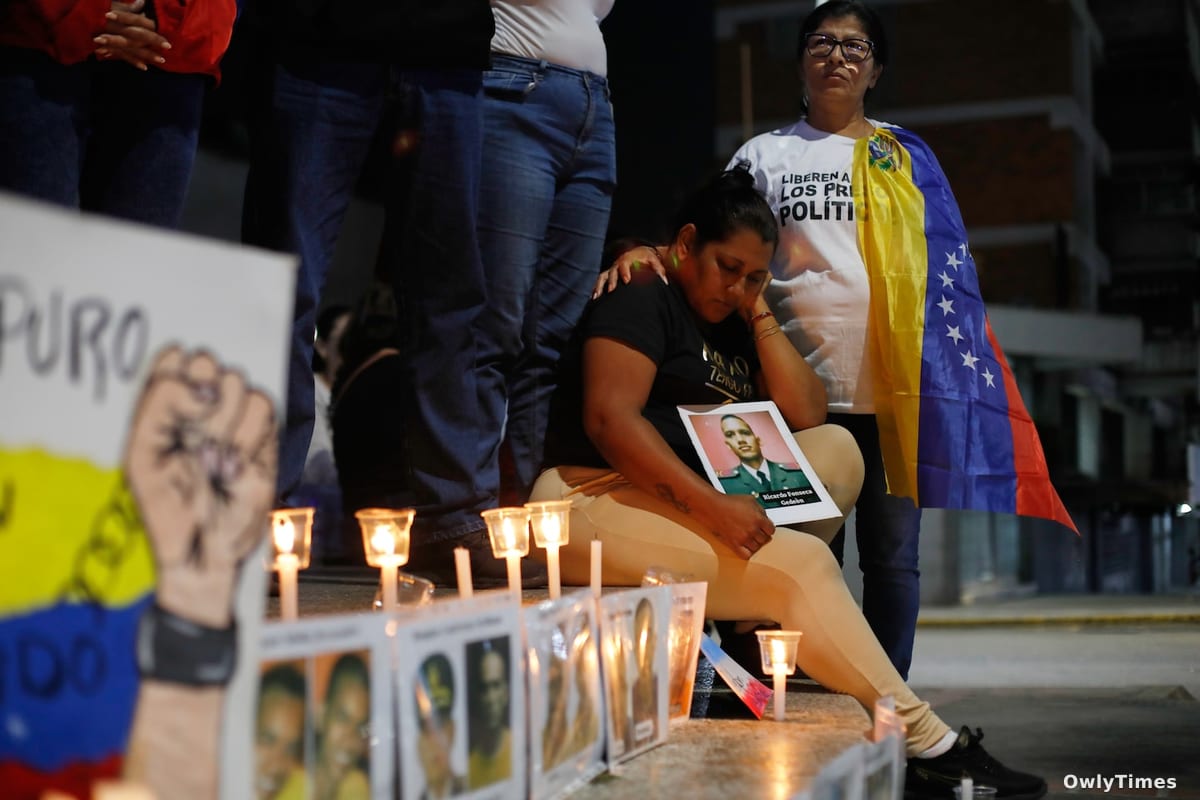

The sudden willingness of the Nicolás Maduro regime to release over 1,500 political prisoners isn’t a gesture of goodwill, but a calculated maneuver to reshape the narrative ahead of the 2026 presidential elections. The amnesty law, signed into effect this week, isn’t about justice or reconciliation; it’s about damage control and a desperate attempt to legitimize a process widely viewed as rigged. The timing, just months before a vote, suggests a strategy of appearing conciliatory while simultaneously neutralizing potential sources of organized opposition. This isn’t a departure from authoritarian tactics, but a refinement of them.
A Strategic Reprieve: The Calculus of Release
The sheer number – 1,557 applications for amnesty already submitted as of Saturday, February 21, 2026 – is significant. It represents a substantial portion of the estimated political prisoners held by the Venezuelan state, a figure consistently cited by human rights organizations like Amnesty International and Human Rights Watch. While the official narrative frames this as a humanitarian act, the reality is that these individuals represent a potent symbol of the regime’s repression. Their continued imprisonment carries a high political cost, particularly as international pressure mounts and the opposition seeks to unify. Releasing them, even conditionally, allows Maduro to claim progress on human rights while maintaining control over the electoral process. The applications themselves are a key detail; the government controls the processing and approval, ensuring only those deemed less threatening are likely to be fully freed.
Source material: The Washington Post.
Echoes of Past Transitions: Parallels to Chile and South Africa
This tactic of releasing political prisoners as a prelude to elections or negotiations isn’t unique. The transition to democracy in Chile under Augusto Pinochet in the late 1980s saw a similar pattern: selective amnesties granted to those accused of human rights abuses, coupled with the release of political detainees. The goal, then as now, was to create a semblance of stability and facilitate a managed transition that protected the interests of the outgoing regime. Similarly, the post-apartheid negotiations in South Africa included a complex amnesty process for perpetrators of political violence, designed to encourage truth-telling and prevent further bloodshed. However, the Venezuelan context differs significantly. Unlike Chile or South Africa, there’s no genuine power-sharing agreement on the table, and the opposition remains deeply fractured. The amnesty law, therefore, feels less like a step towards genuine reconciliation and more like a preemptive move to quell dissent.
Who Benefits and Who Loses in the New Equation?
The immediate beneficiaries are, ostensibly, the 1,557 individuals who have applied for amnesty. However, the conditions attached to the release – and the potential for re-arrest on other charges, a common tactic in Venezuela – cast a shadow over their newfound freedom. The regime benefits by improving its international image, potentially easing sanctions and attracting foreign investment. Crucially, it also benefits by weakening the opposition, dividing its ranks between those who accept the amnesty and those who refuse it on principle. The losers are clear: the principles of justice and accountability. The amnesty law effectively shields those responsible for human rights abuses from prosecution, perpetuating a culture of impunity. Furthermore, the opposition’s ability to present a united front is undermined, as the focus shifts from strategic campaigning to individual cases of release and potential re-imprisonment.
The Shadow of the Electoral Council and the Next Chess Move
The composition of Venezuela’s National Electoral Council (CNE) remains a critical point of contention. Despite calls for independent oversight, the CNE continues to be dominated by pro-government appointees, raising serious doubts about the fairness of the upcoming elections. The release of political prisoners, therefore, must be viewed in conjunction with the CNE’s actions. Will the opposition be allowed to register candidates freely? Will the media environment be conducive to a fair campaign? These are the questions that will determine whether the amnesty law is a genuine step towards democracy or a cynical ploy to maintain power. The political chess move to watch next isn’t another release of prisoners, but the CNE’s decision on opposition candidate registration. That will reveal whether Maduro intends to genuinely compete in the election, or simply orchestrate a predetermined outcome.





