
Beyond Ben & Jerry’s: Vermont’s Quiet Potential in a Renewed Japanese Partnership
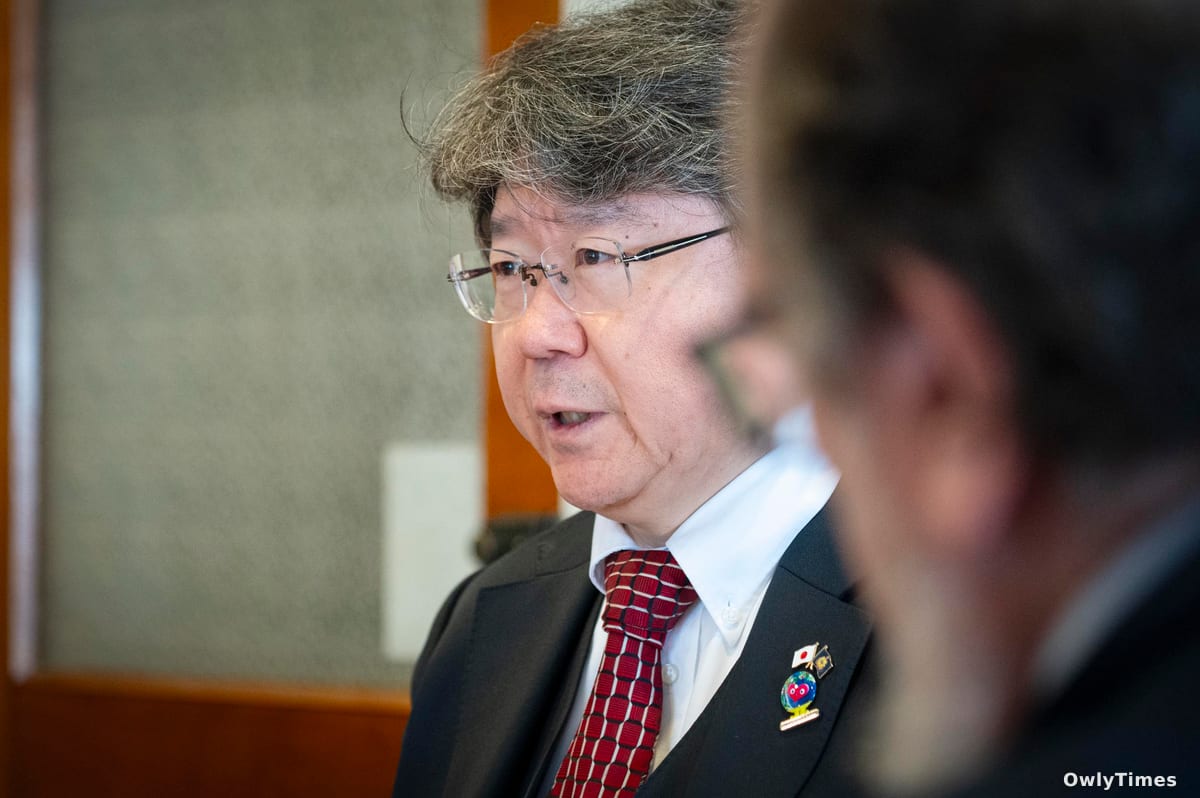
The image is a familiar one: Vermont, celebrated for its artisanal foods and progressive values, often framed as a small state with a big heart. But a recent appearance before the Vermont House Commerce and Economic Development Committee by Seiichiro Takahashi, Consul General of Japan in Boston, suggests a less-explored dimension of the state’s economic identity – a historical and potentially revitalized connection with Japan. While headlines focused on a charming exchange of baseball loyalties, the core of Takahashi’s visit wasn’t about sports fandom, but a pointed observation: Vermont’s economic ties with Japan are “relatively untapped.” This isn’t a critique of current relations, but a recognition that a once-significant partnership has faded, and a deliberate call to action to rebuild it. The timing is crucial, as global supply chains remain volatile and Vermont seeks to diversify its economic portfolio beyond tourism and niche manufacturing.
Source material: vtdigger.org.
The historical link, surprisingly, isn’t solely about high-tech industries or political alliances. Takahashi highlighted a curious origin story: a 1958 dietary health book that sparked a Japanese interest in Vermont’s culinary products, ultimately leading to the popularity of Vermont-branded curry in Japan. This anecdote, while lighthearted, underscores a key point about international relations – they often begin with cultural exchange and consumer preferences. More substantially, Japan was a major export market for Vermont in the latter half of the 20th century, a position that has diminished in recent decades. The passage of H.674 in the House last week, aiming to strengthen international relationships, is a direct response to recognizing this potential for growth. The bill isn’t a guarantee of economic windfall, but a signal of intent – a willingness to invest in the groundwork for future collaboration.
The most immediate opportunity, according to Takahashi, lies in bolstering Japanese language acquisition programs, particularly at Middlebury College. This isn’t simply about cultural enrichment; it’s a pragmatic recognition that effective communication is the bedrock of any successful international partnership. Competent language skills facilitate nuanced negotiations, build trust, and reduce the risk of misunderstandings. This emphasis on language training also addresses a broader national concern: a decline in foreign language proficiency among Americans, hindering the country’s ability to compete in a globalized economy. Representative Jonathan Cooper, D-Pownal, echoed this sentiment, emphasizing that consistent relationship-building, even through seemingly small gestures like hosting a consul general, is a “low-cost way to make foreign politicians and investors aware of the state’s possibilities.” He specifically noted the continued importance of Japanese ownership of the NSK automotive steering system manufacturing plant in Bennington, a direct economic link for his district.
However, it’s important to temper enthusiasm with a realistic assessment of the challenges. While Takahashi expressed excitement about the potential of companies like Beta Technologies in South Burlington to expand Japanese partnerships, the success of such ventures isn’t predetermined. The global economic landscape is competitive, and Vermont’s small size and relatively high operating costs could be deterrents for some investors. Furthermore, the “sister-state” relationship with Tottori Prefecture, established in 2018 by Governor Phil Scott, hasn’t yet yielded substantial economic results, demonstrating that formal agreements alone aren’t sufficient. The true measure of success will be concrete investments, increased trade volume, and the creation of sustainable jobs within Vermont.
Looking ahead, the next crucial step is to move beyond broad declarations of intent and develop a targeted strategy for attracting Japanese investment. This requires a detailed analysis of Vermont’s competitive advantages – its skilled workforce, its commitment to sustainability, and its unique brand identity – and a clear articulation of how these strengths align with Japanese business priorities. It also necessitates a proactive approach to identifying potential partners and fostering dialogue. The annual “Japan day” suggested by Takahashi is a good starting point, but it must be coupled with sustained engagement and a willingness to adapt to the evolving needs of the Japanese market. The question now isn’t simply if Vermont can rekindle its economic ties with Japan, but how it will demonstrate a long-term commitment to a mutually beneficial partnership. Will Vermont be able to translate goodwill and historical connections into tangible economic gains, or will this opportunity, like the 1958 curry craze, remain a charming footnote in the state’s history?