
Beyond Bricks and Mortar: A New Model for Veteran Mental Healthcare in Alabama
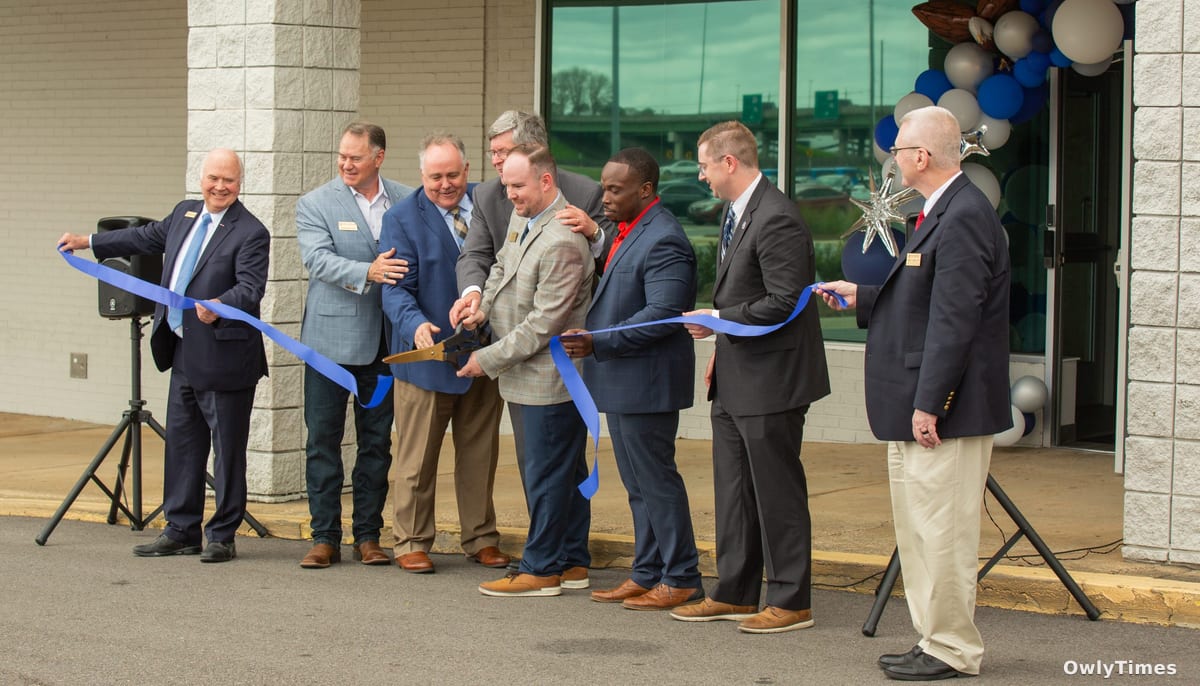
The ribbon cutting on March 6, 2026, in front of Faulkner University’s new Mental Health Center wasn’t simply a dedication of a building; it signaled a deliberate attempt to address a systemic failure in access to mental healthcare, particularly for veterans. While headlines focus on the clinic’s free services and university training component, the deeper significance lies in the collaborative funding model and the explicit targeting of barriers – distance, stigma, and financial constraints – that have historically left Alabama veterans underserved. This isn’t just about adding capacity; it’s about fundamentally rethinking how mental healthcare is delivered, and whether a university-integrated clinic can offer a more sustainable solution than traditional, often overburdened, state-run facilities.
Source material: faulkner.edu.
The need is stark. Alan Deal, director of the Faulkner Center for Therapy and Research, highlighted the persistent difficulties veterans face in accessing “timely, high-quality mental health services.” This isn’t a new observation. For years, reports from the Department of Veterans Affairs have documented significant disparities in mental healthcare access, especially in rural areas. What’s different here is the proactive, multi-agency approach. The clinic’s partial funding through the Alabama Department of Veterans Affairs’ Supporting Alabama’s Veterans Grant Program – alongside ongoing operational support from the Departments of Mental Health, Rehabilitation Services, and Human Resources – demonstrates a commitment to shared responsibility. Brandon Miller, director of outreach for the Alabama Department of Veterans Affairs, explicitly framed the grant program as prioritizing “visions transforming action-based solutions,” suggesting a shift away from simply funding existing programs toward incentivizing innovative models.
The Faulkner clinic’s structure is key to this innovation. By operating under the university’s Center for Therapy and Research, it simultaneously provides direct patient care and serves as a clinical training site for students in Faulkner’s College of Health Sciences. This dual function addresses two critical challenges: a shortage of qualified mental health professionals and the high cost of supervised clinical hours for aspiring counselors. Students gain hands-on experience working with veterans, families, and other individuals, while the clinic benefits from a readily available workforce. Cela Ardis and Jenn Ingram, licensed professional counselors, alongside Dr. Heath Willingham providing clinical supervision, and James Crocker, a retired Army Colonel offering specialized veteran services, form the core clinical team. This model isn’t without precedent – university-affiliated clinics are common – but the explicit focus on veteran needs and the integrated funding stream are noteworthy.
However, it’s crucial to avoid overstating the immediate impact. While the clinic offers free services, its capacity is finite. The facility, designed by McKee and Associates and constructed by Liberty Construction, received its certificate of occupancy in November 2025, but the number of patients it can serve remains to be seen. Furthermore, the success of this model hinges on continued funding from the various state departments. Economic downturns or shifting political priorities could jeopardize operational support, potentially undermining the clinic’s long-term viability. The clinic’s location within Faulkner University, a private institution, also raises questions about accessibility for individuals who may not be affiliated with the university community or comfortable seeking care in a faith-based environment.
The dedication ceremony included remarks from Ryan Marshall, an American Legion Department adjutant and veteran, who shared his personal struggles with readjustment. His testimony underscores the importance of reducing stigma and encouraging help-seeking behavior. But individual stories, while powerful, don’t equate to systemic change. The real test will be whether this clinic can demonstrably improve mental health outcomes for Alabama veterans – measured not just by the number of patients served, but by quantifiable improvements in well-being, reduced rates of suicide, and increased access to ongoing care. The question now is whether this model, born from collaboration and a targeted approach, can be scaled and replicated across Alabama, and whether other states will look to this initiative as a blueprint for addressing the ongoing mental health crisis among those who have served.