
The bass thrummed through the floor of Allegiant Stadium even before Illenium took the stage on April 2nd, a physical manifestation of the city’s relentless pulse. But look beyond the headliners – Bruno Mars on April 10th, Morgan Wallen in May, No Doubt launching an 18-night residency at the Sphere – and a different story emerges. April in Las Vegas isn’t just about the spectacle; it’s a concentrated collision of attempts to define, and redefine, what “Las Vegas experience” even means in 2024. It’s a city grappling with its own history while simultaneously building the next generation of entertainment, and the sheer volume of events this month is a symptom of that tension.
This isn’t the Vegas of showroom singers and high rollers exclusively. While the classic entertainment still thrives – Bernadette Peters gracing The Smith Center on April 18th is a testament to that – the calendar is increasingly dominated by events that feel…different. The return of WrestleMania 42 (April 16-20) isn’t just a wrestling event; it’s a five-day fan convention, a cultural phenomenon drawing an estimated 160,000 visitors and injecting over $80 million into the local economy, according to the Las Vegas Convention and Visitors Authority. That’s a figure that dwarfs the economic impact of many traditional shows, and it signals a shift in the city’s priorities. Las Vegas is actively courting these immersive, participatory experiences, recognizing that fans want to be part of the show, not just watch it.
The diversification extends beyond the mega-events. The 11th annual Home + History Las Vegas festival (April 16-19) offers over 40 immersive experiences exploring the city’s evolution, a deliberate counterpoint to the constant forward momentum. Even the Earth Day Recycled 5K Run on April 18th, a community event in Henderson, feels like a subtle pushback against the city’s reputation for excess. These aren’t afterthoughts; they’re curated attempts to inject a sense of place and purpose into a city often criticized for its manufactured reality. The Nevada Preservation Foundation, which organizes Home + History, saw a 15% increase in attendance last year, demonstrating a growing public appetite for understanding the city’s roots.
Reporting from neon.reviewjournal.com informs this analysis.
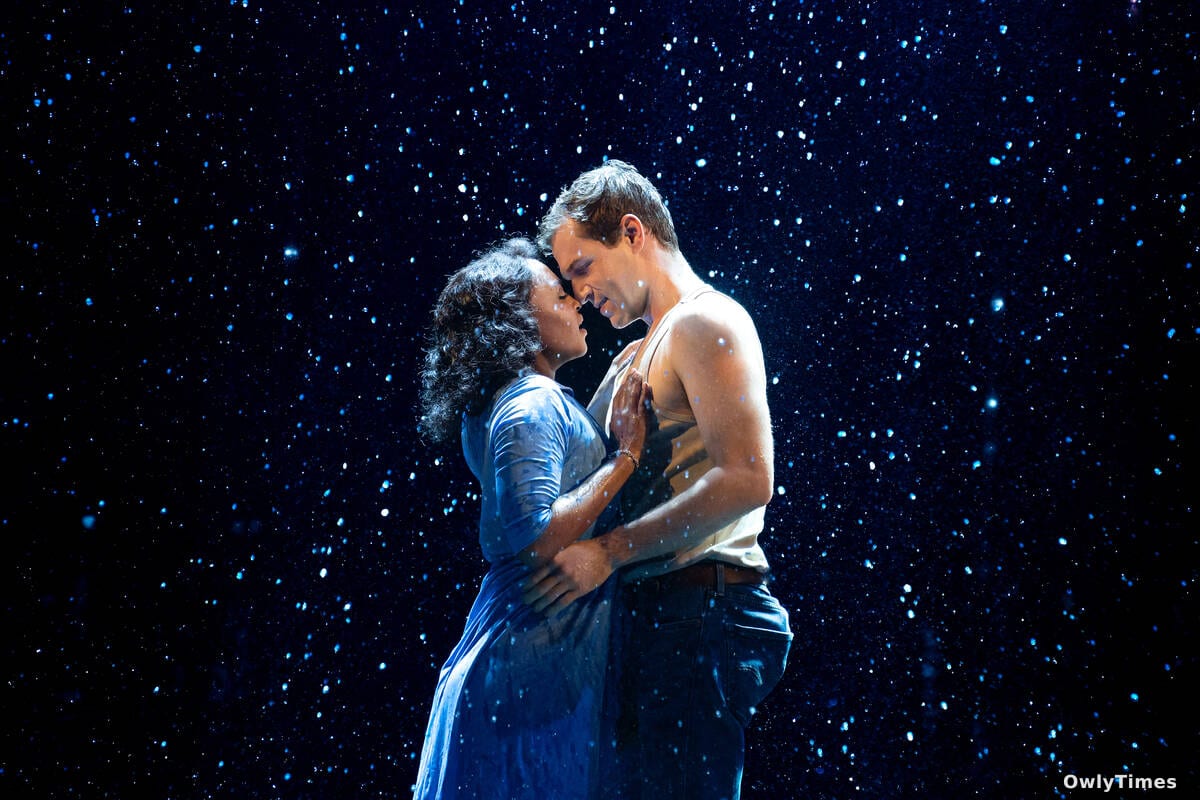
But the question remains: can Las Vegas successfully balance its legacy of glamour with these newer, more diverse offerings? The sheer density of events – from the Broadway adaptation of “The Notebook” (March 31-April 5) to the Las Vegas City of Lights Jazz & R&B Festival (April 25-26) – risks diluting the impact of each individual experience. The city is betting that the sheer variety will attract a wider range of visitors, but it also runs the risk of overwhelming both locals and tourists. Ticket prices are also a factor. While some events, like the Earth Day run, are free, the cost of attending multiple concerts or shows can quickly add up, potentially pricing out a significant portion of the population. The average ticket price for a concert in Las Vegas in Q4 2023 was $185, a 12% increase from the same period in 2022, according to data from Statista.
The arrival of Mary J. Blige’s residency at Dolby Live (May 1-9) is particularly telling. Blige, a cultural icon who has consistently broken down barriers throughout her career, represents a new wave of artists who are demanding more from their Las Vegas engagements. Her “My Life, My Story” residency isn’t just about performing hits; it’s about sharing her personal narrative, creating a deeper connection with her audience. This emphasis on authenticity and storytelling is a trend that’s gaining momentum across the entertainment industry, and Las Vegas is uniquely positioned to capitalize on it. The ACM Awards returning to the MGM Grand Garden Arena (May 17) further solidifies country music’s growing presence in the city, a demographic previously less targeted than the EDM and pop crowds.
Las Vegas is no longer simply a destination for escapism. It’s becoming a cultural crossroads, a place where different worlds collide and new experiences are forged. But the success of this transformation hinges on the city’s ability to embrace its complexities, to acknowledge its past while boldly stepping into the future. Will Las Vegas be able to curate a cohesive identity from this chaotic abundance of options, or will it become a victim of its own ambition? The next few months will be a crucial test, and the answer will shape the future of entertainment for years to come.