
$8,000. That’s the estimated average cost to replace a commercial roof in Waynesboro, Virginia, according to industry data from RSMeans – a figure now directly impacting two local businesses following Friday evening’s high-wind event. While initial reports focused on the dramatic footage of Interstate Mufflers’ roof being torn off, a closer look reveals a ripple effect extending beyond property damage, highlighting the vulnerability of small businesses to localized weather events and the often-overlooked financial implications for consumers. The incident wasn’t simply about a damaged building; it was a disruption to local commerce, a potential insurance claim spike, and a stark reminder of escalating climate-related risks.
Kline’s Dairy Bar and the Cost of Disruption
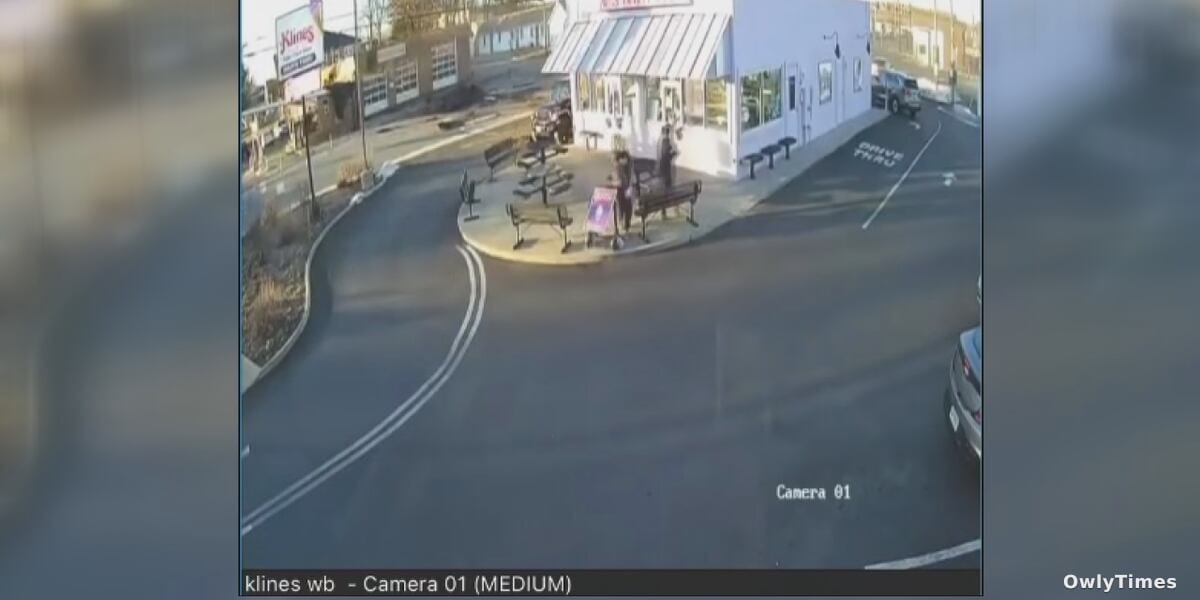
The timing of the damage is critical. Kline’s Dairy Bar, situated directly across from Interstate Mufflers on North Poplar Avenue, was forced to close for the remainder of the day following the incident. While seemingly a minor inconvenience, lost revenue for a seasonal business like Kline’s can be substantial. According to data from the National Restaurant Association, a single day of closure can cost a small restaurant between $500 and $2,000, depending on volume. Kelly Brydge, manager of Kline’s, stated, “It was so windy! The roof blowing off was very scary. We are thankful that everyone is okay, including our good neighbor, Interstate Mufflers.” Brydge’s relief at avoiding injury underscores the immediate human cost, but doesn’t address the financial fallout of lost sales during peak evening hours – a period particularly crucial for ice cream businesses. This closure, even brief, represents a tangible loss to Waynesboro’s local economy.
Reporting from whsv.com informs this analysis.
Beyond the Roof: Assessing Vehicle Damage and Liability
The incident extended beyond the immediate vicinity of the two businesses. Aly Black, a Waynesboro resident, reported damage to her vehicle while in the Kline’s drive-through. “All of a sudden, I just see in front of me all this stuff coming flying at us, and I literally shut my eyes because I thought it was going to come through my windshield,” Black recounted. While thankfully no one was injured, Black’s experience raises questions about liability and potential insurance claims. The average cost of vehicle damage from flying debris, according to data from the Insurance Information Institute, ranges from $1,000 to $5,000 depending on the severity. This incident could trigger a review of property maintenance standards and potentially lead to increased insurance premiums for businesses in the area, particularly those with older structures. The fact that employees from both Kline’s and Interstate Mufflers immediately checked on guests demonstrates a commendable response, but doesn’t negate the potential for legal claims.
A Local Event, A National Trend
This localized event isn’t isolated. The National Oceanic and Atmospheric Administration (NOAA) reports a 25% increase in billion-dollar weather and climate disasters in the U.S. over the past decade, with a significant portion attributed to severe storms and high winds. While Waynesboro may not typically be associated with extreme weather, the increasing frequency of these events nationwide suggests a growing risk for businesses of all sizes. The financial burden of repairs and closures disproportionately impacts small businesses, which often lack the resources to absorb such shocks. Interstate Mufflers, for example, now faces not only the $8,000+ roof replacement cost but also potential lost revenue during repairs, and the possibility of increased insurance rates. This is a microcosm of a larger trend: climate change is translating into quantifiable financial risks for Main Street America.
What This Means for Your Wallet
The damage to Interstate Mufflers and the disruption at Kline’s Dairy Bar aren’t just business problems; they’re indicators of potential price increases. Businesses facing higher operating costs – whether from repairs, insurance, or supply chain disruptions caused by weather events – will inevitably pass those costs onto consumers. Expect to see modest price increases at local auto repair shops and potentially at Kline’s Dairy Bar in the coming months. More broadly, this incident highlights the need for Waynesboro residents to consider the long-term financial implications of climate-related risks. Will local businesses be adequately prepared for future events? Will insurance coverage remain affordable? And, crucially, will the city invest in infrastructure improvements to mitigate the impact of severe weather? The question isn’t if another event like this will happen, but when, and whether Waynesboro will be financially resilient enough to weather the storm.