
$24 Billion Question: The Geopolitical Calculus Behind the Paramount-WBD Deal
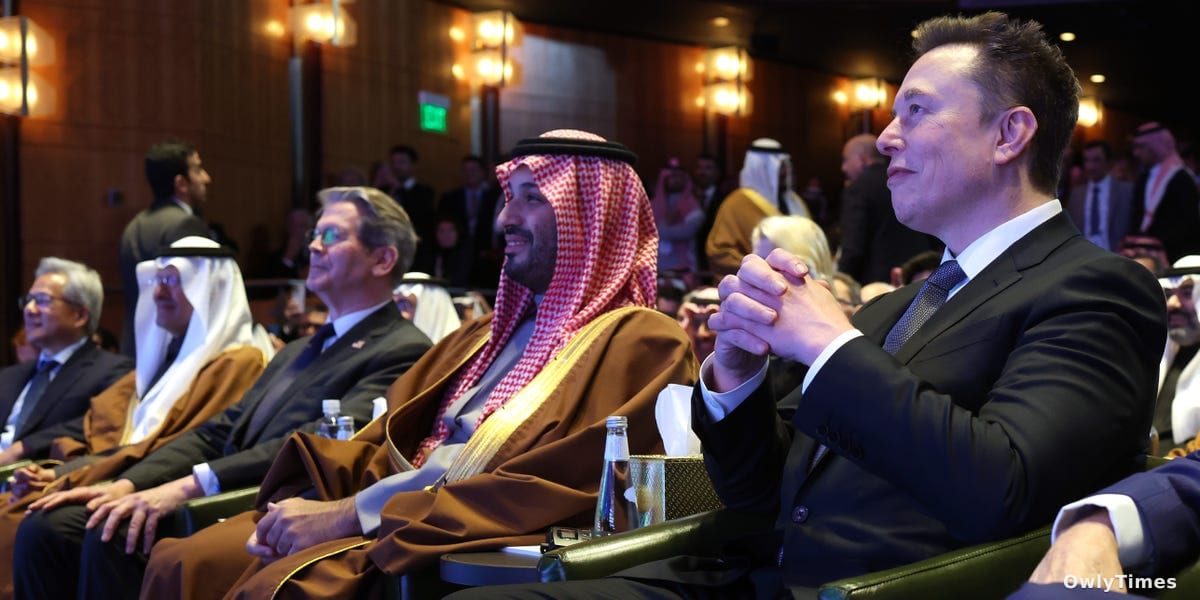
$24 billion. That’s the figure Paramount Global initially earmarked from Gulf state sovereign wealth funds to finance its acquisition of Warner Bros. Discovery (WBD). Now, as the deal progresses under the ownership of Larry Ellison and David Ellison, Paramount is conspicuously silent on whether that funding plan remains in place, a reticence that speaks volumes about the shifting sands of media finance and geopolitical influence. The silence isn’t accidental; it’s a calculated move reflecting a broader trend of increased Middle Eastern investment in American media, a trend gaining momentum within the second Donald Trump administration where business ties with the region are actively encouraged.
Source material: Business Insider.
The initial plan, disclosed last year, involved securing $24 billion from Saudi Arabia, Abu Dhabi, and Qatar. This wasn’t simply about accessing capital; it was about diversifying risk and signaling a willingness to engage with a region increasingly flush with investment capital. However, the current ambiguity, highlighted by comments from Gerry Cardinale of RedBird Capital Partners, suggests a more complex negotiation is underway. Cardinale, instrumental in both the Paramount and WBD acquisitions, carefully avoided directly addressing the $24 billion figure during a recent Puck podcast interview, instead emphasizing that the $47 billion equity portion of the $81 billion deal is “backstopped” by the Ellisons and RedBird. This means they are ultimately responsible for securing the funds, even if they intend to “syndicate” – or sell portions of their commitment – to other investors.
This “alchemy,” as Cardinale termed it, is where the geopolitical implications become stark. While Paramount maintains it will seek “strategic, domestic, and foreign investors,” the unspoken question is which foreign investors. The hesitation to publicly confirm continued reliance on Gulf funding isn’t about a change of heart regarding the money itself, but about navigating a politically sensitive landscape. The scrutiny surrounding foreign ownership of American media assets, particularly those with news divisions like CNN within the WBD portfolio, is intensifying. The fact that Paramount intends to sell portions of the equity commitment, while simultaneously downplaying the role of Middle Eastern funds, suggests a strategy to mitigate potential backlash.
Cardinale’s defense of accepting investment from Gulf states – arguing that “the world is changing” and that these nations are contributing to positive geopolitical developments – is a key indicator. He frames engagement with these sovereign wealth funds not as a compromise, but as an embrace of globalization and a recognition of the region’s growing economic and political power. He points to Hollywood content as a major American export, implying that accepting investment from the Middle East is simply a continuation of that successful model. However, this argument sidesteps the legitimate concerns about potential editorial influence and the ethical implications of accepting funds from countries with questionable human rights records. The “worst-case scenario,” as Cardinale acknowledges – the Ellisons and RedBird covering the entire equity commitment – is a costly one, but it’s presented as a preferable alternative to facing public criticism over foreign ownership.
The current situation reveals a tension between financial pragmatism and political optics. Paramount needs capital to complete the WBD acquisition, and Gulf states have demonstrated a willingness to invest in the media sector. Yet, openly acknowledging that reliance carries reputational risks, particularly in a charged political climate. The lack of transparency surrounding the financing structure is further complicated by the fact that the deal is occurring during a second Trump administration, where relationships with Saudi Arabia and other Gulf nations are prioritized. This context suggests that the silence isn’t simply about avoiding negative headlines, but about managing a delicate balance between securing funding and navigating a complex geopolitical landscape.
What this means for your wallet: Expect continued consolidation in the media landscape, driven by access to capital – regardless of its source. The Paramount-WBD merger, if completed with significant Gulf funding, could lead to higher subscription prices and reduced content diversity as the combined entity seeks to maximize profits. More importantly, watch for a shift in content priorities, potentially reflecting the cultural sensitivities and political interests of its new investors. The question isn’t just if Middle Eastern money will influence Hollywood, but how – and whether consumers will ultimately pay the price for that influence.