
The silence in the writers' rooms of Los Angeles is finally being replaced by the sound of steady, collaborative work. After the industry-wide paralysis that defined the previous year, the recent ratification of a four-year agreement feels less like a corporate transaction and more like a collective exhale. With 90% of union members voting to approve the deal, the path forward between the Writers Guild of America West, Writers Guild of America East, and the Alliance of Motion Picture and Television Producers seems paved with something that has been in short supply lately: mutual agreement.
Stabilizing the Creative Foundation
For a town built on high-stakes drama, the speed of these negotiations was a genuine plot twist. The tentative agreement reached on April 4 arrived just three weeks after talks commenced, a timeframe that feels almost surgical compared to the bruising, drawn-out battles of 2023. This isn't just about ink on paper; it represents a tactical shift in how labor and management view the future of a rapidly contracting industry.
The focus here was deeply pragmatic, centering on the bedrock of a freelancer’s career: health and longevity. WGA West President Michele Mulroney noted that “in the face of industry contraction and runaway health care cost inflation, writers were able to secure a contract that returns our Health Fund to a sustainable path and builds on gains from the 2023 strike.” By shoring up the Health Fund and securing minimum pay hikes—specifically targeting variety and comedy writers—the union is attempting to insulate its members against the volatility of the current streaming landscape.
A Cultural Climate Shift
Beyond the specific line items, this ratification signals a thawing of the icy relations that dominated the previous cycle. The AMPTP offered an uncharacteristic nod to the union’s collaborative approach, framing the deal as a cornerstone for long-term stability. This rhetoric mirrors the sentiment expressed by SAG-AFTRA President Sean Astin, who remarked in a February interview with The Associated Press that he has observed clear indicators that studios are interested in returning to a partnership model.
However, the industry is not without its own internal ironies. While the writers successfully navigated their deal with the studios, the Writers Guild itself faced friction on its home turf, as a strike by its own staff forced the cancellation of their annual awards ceremony this past March. It is a reminder that the tension between labor and management is a structural reality, even within the organizations that champion worker rights.
The Domino Effect of Upcoming Negotiations
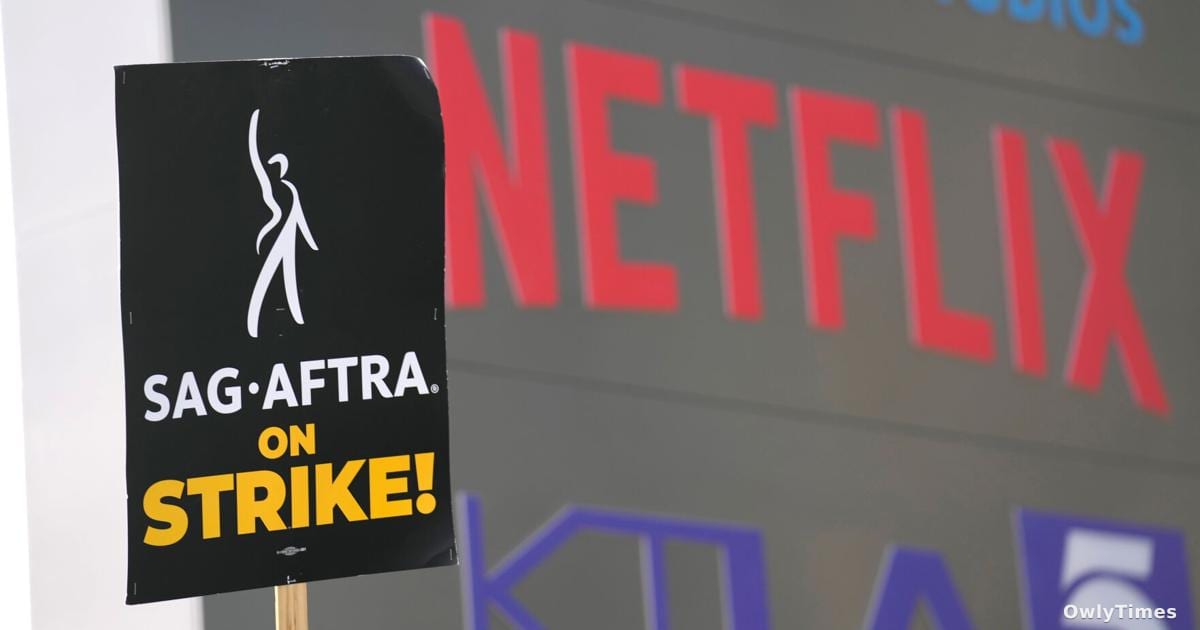
The industry is now watching to see if this momentum can be sustained as the calendar shifts. With the writers’ contract secured, the focus moves to the actors, who have been in active negotiations for approximately one month and are slated to resume their discussions this coming Monday. The outcome of those talks will be the primary indicator of whether this "partnership" phase is a genuine trend or merely a brief intermission in a larger labor drama.
The broader implications for the entertainment ecosystem will become clearer as the Directors Guild begins its own contract talks on May 11. Whether this period of rapid, low-friction negotiation holds will be measured by the successful conclusion of these remaining sessions. The next reading of these ongoing labor negotiations will determine if the industry has truly moved past the brink of collapse or if the current stability is merely a temporary reprieve.