
Beyond Trade Routes: Why Global Maritime Health is a Growing Priority
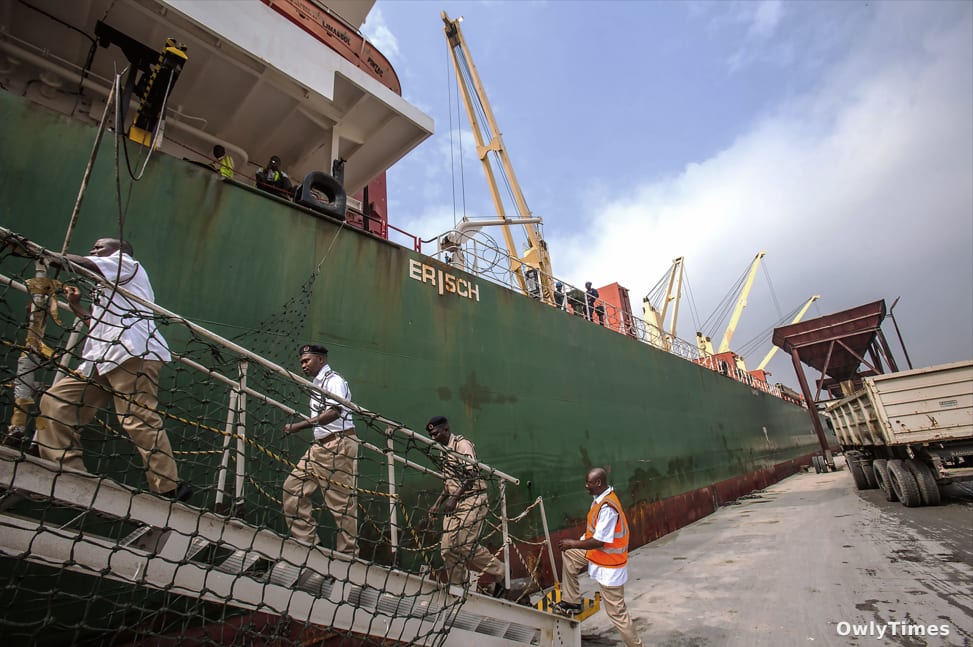
The steady flow of goods across our oceans is often taken for granted, yet this intricate network relies on a system increasingly vulnerable to disruption – not from pirates or storms, but from the silent spread of infectious disease. While headlines focus on airport screenings and land border controls, a critical component of global health security often remains unseen: the public health infrastructure surrounding maritime travel. A recent World Health Organization (WHO) webinar, convening over 700 experts from 70+ countries, underscores a growing international effort to bolster these often-overlooked defenses, and reveals the significant hurdles still ahead. This isn’t simply about preventing outbreaks on ships; it’s about preventing ships from becoming outbreak vectors that rapidly disseminate illness across continents.
The impetus for this renewed focus is the upcoming implementation of amendments to the International Health Regulations (IHR) on September 19, 2025. These revisions place a greater emphasis on proactive public health preparedness, and specifically highlight the importance of border health capacities, including those related to maritime traffic. The IHR require all countries to maintain a list of authorized ports capable of conducting standardized public health inspections and issuing Ship Sanitation Certificates (SSCs). These certificates aren’t merely bureaucratic paperwork; they represent a crucial, globally-recognized assessment of a vessel’s adherence to health standards, covering everything from food safety and water quality to medical facilities and vector control. Dr. Ninglan Wang, Head of the Borders, Mass Gatherings and Health Protection Measures (BMM) Unit at WHO headquarters, noted the webinar’s strong attendance as evidence of “the growing demand for technical guidance and capacity-building support in ship inspection and issuance of ship sanitation certificates.”
However, the sheer number of participants – primarily from the African, Eastern Mediterranean, and European Regions – also hints at a deeper issue. While the IHR framework is established, implementation is uneven. Many Member States are struggling with “practical challenges,” including limited financial resources, frequent staff turnover among port health officers, and the constant pressure of competing public health priorities. This isn’t a matter of unwillingness, but a reflection of the complex realities facing public health systems in many parts of the world. The WHO webinar, and planned future sessions, are designed to address these gaps through knowledge sharing and peer-to-peer learning, featuring case studies from countries like the Netherlands, Morocco, and Tanzania demonstrating practical application of IHR requirements.
Source material: who.int.
The webinar’s curriculum itself reveals the breadth of expertise required for effective ship sanitation. Participants delved into the legal framework governing inspections, risk assessment protocols tailored to different vessel types, and the intricacies of completing the required documentation. This level of detail is vital, as inconsistencies in inspection practices can undermine the entire system. A ship deemed “safe” by one port might pose a risk in another if standards aren’t uniformly applied. The value of SSCs lies in their ability to provide a common language and standardized assessment across all stakeholders – port authorities, ship operators, and ultimately, the traveling public. Currently, only SSCs issued by ports authorized by national authorities are considered valid, and the WHO maintains a publicly available list of these authorized ports.
It’s important to note what this initiative doesn’t address. The webinar focused on strengthening existing regulatory frameworks, but it doesn’t tackle the underlying economic pressures that might incentivize ship operators to cut corners on sanitation. Nor does it directly address the potential for deliberate non-compliance or the challenges of inspecting vessels from countries with weak regulatory oversight. These are critical considerations that require a more comprehensive, multi-faceted approach. Furthermore, the focus on established IHR requirements doesn’t necessarily prepare countries for novel public health threats – the kind of rapidly evolving pathogens that can overwhelm even the most robust systems.
Looking ahead, the WHO plans to expand these training sessions to reach more regions and address emerging border health concerns. But the crucial question remains: will these capacity-building efforts be enough to stay ahead of the curve? As global trade continues to expand and climate change alters disease patterns, we should be watching for a measurable increase in the number of authorized ports consistently meeting IHR standards, and a corresponding decrease in outbreaks linked to maritime travel. The success of this initiative won’t be measured in webinars attended, but in the health of passengers, crew, and the communities they connect.





