
$8 Million in Revenue at Stake: The Trademark Battle Brewing in Sienna, Texas
A single sign, or rather the lack of one, is currently threatening a business that has already generated an estimated $8 million in revenue since its inception. Tyla Simone Crayton, founder and CEO of Sienna Wings, is locked in a dispute with Johnson Development, the owner of the Sienna master-planned community, over a “coexistence agreement” that Crayton fears will stifle her company’s growth. This isn’t simply a local squabble; it’s a microcosm of a larger trend: the increasingly aggressive protection of brand identity by developers, and the potential for those protections to clash with the ambitions of small businesses.
See the original abc13.com story for the full account.
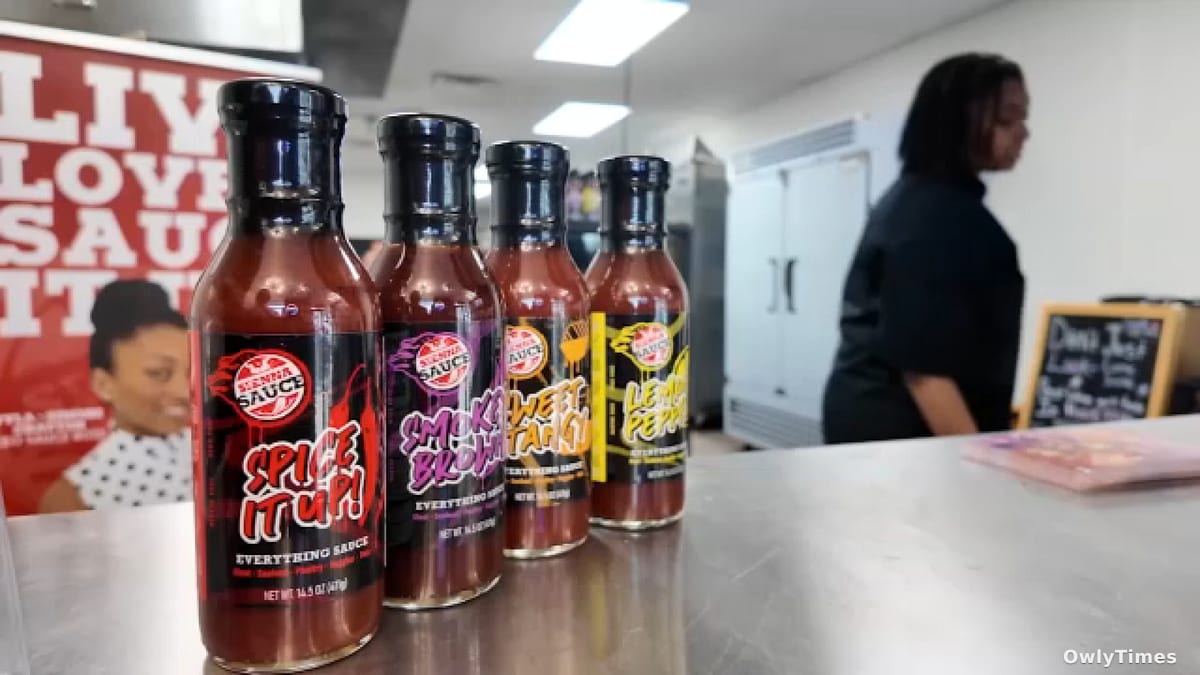
Crayton’s story is remarkable. Starting Sienna Wings at age 14 from her home kitchen, she secured a deal on Shark Tank at 16, and has since expanded into local markets and grocery stores. Now 22, she’s opened her first brick-and-mortar restaurant in Sienna, a location that relies heavily on drive-by traffic. The problem? The Sienna Property Owners Association, acting on behalf of Johnson Development, is refusing to approve signage until Crayton signs the agreement. Follow the money here: without visibility, a restaurant – particularly one relying on impulse purchases like wings – faces a significant revenue drag. Industry averages show that signage accounts for roughly 10-15% of foot traffic for restaurants in similar suburban settings, translating to potentially hundreds of thousands of dollars in lost sales annually.
The core of the dispute lies in the contract itself. While Johnson Development frames the agreement as a means of protecting the “Sienna” trademark – a reasonable concern given the community’s brand value – the terms extend far beyond local signage. The unsigned contract grants Johnson Development approval rights over any business changes or expansions, including those in other cities, states, or even countries. This is where the situation becomes particularly concerning. University of Houston law professor Aman Gebru, specializing in contracts and intellectual property, notes that “trademark law is really at its core concerned about consumers. Locations tend to be relevant.” However, Gebru also points out that the provision regulating expansion “beyond that location and potentially includes any location in the world seems expansive in my mind.”
This expansive reach isn’t typical. While it’s common for developers to require businesses using the community name to sign agreements preventing confusion – ensuring customers understand they’re dealing with a local business, not the developer itself – the level of control Johnson Development is seeking is unusual. A review of similar master-planned communities in Texas reveals that coexistence agreements typically focus on signage, branding consistency within the community, and preventing the business from implying an official affiliation with the developer. The inclusion of global expansion rights suggests Johnson Development isn’t merely protecting its trademark; it’s attempting to exert control over a successful, independently branded business.
Crayton’s concern is valid. She’s already built a trademarked brand, Sienna Wings, and has clear ambitions for growth. Signing the agreement could effectively hand Johnson Development a veto power over her future, potentially hindering expansion and diminishing the company’s value. This isn’t just about a sign; it’s about the future ownership of a brand built from the ground up. The tension here is stark: a large developer leveraging its legal and financial resources against a young entrepreneur who has demonstrably proven her business acumen.
What this means for your wallet: this case highlights a growing risk for small business owners operating within master-planned communities. Watch closely for similar disputes to emerge, and consider the potential implications of such agreements before signing a lease or opening a business. The question now is whether Johnson Development will prioritize protecting its brand at the expense of fostering a thriving local economy, or if a compromise can be reached that allows Sienna Wings to flourish – and continue driving customers to the Sienna community.





