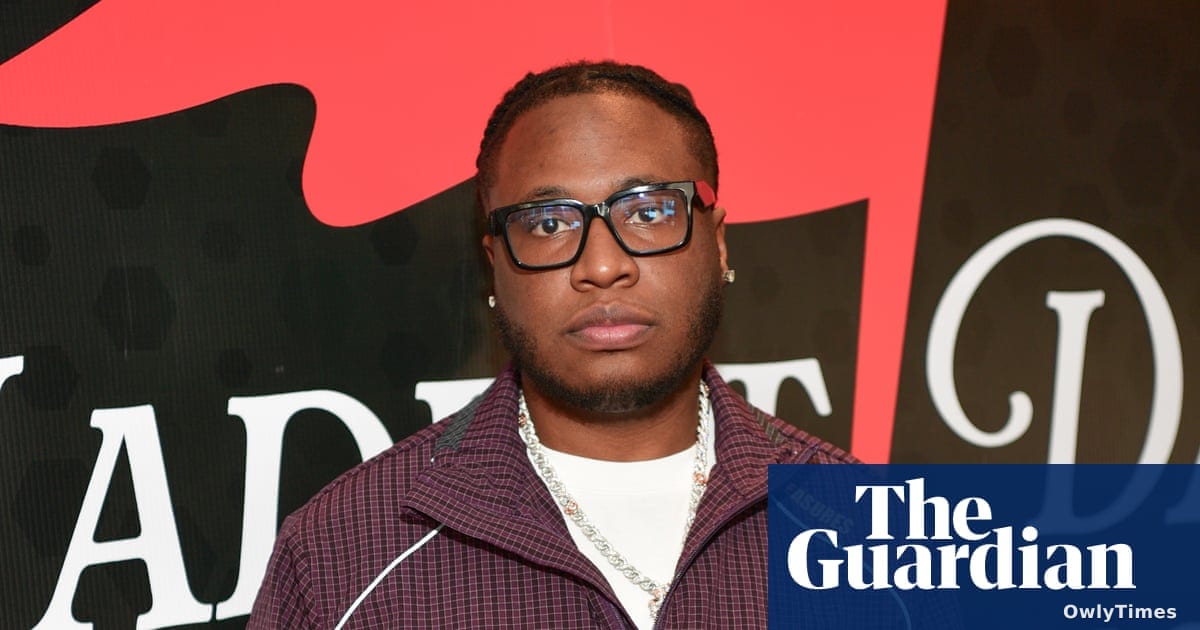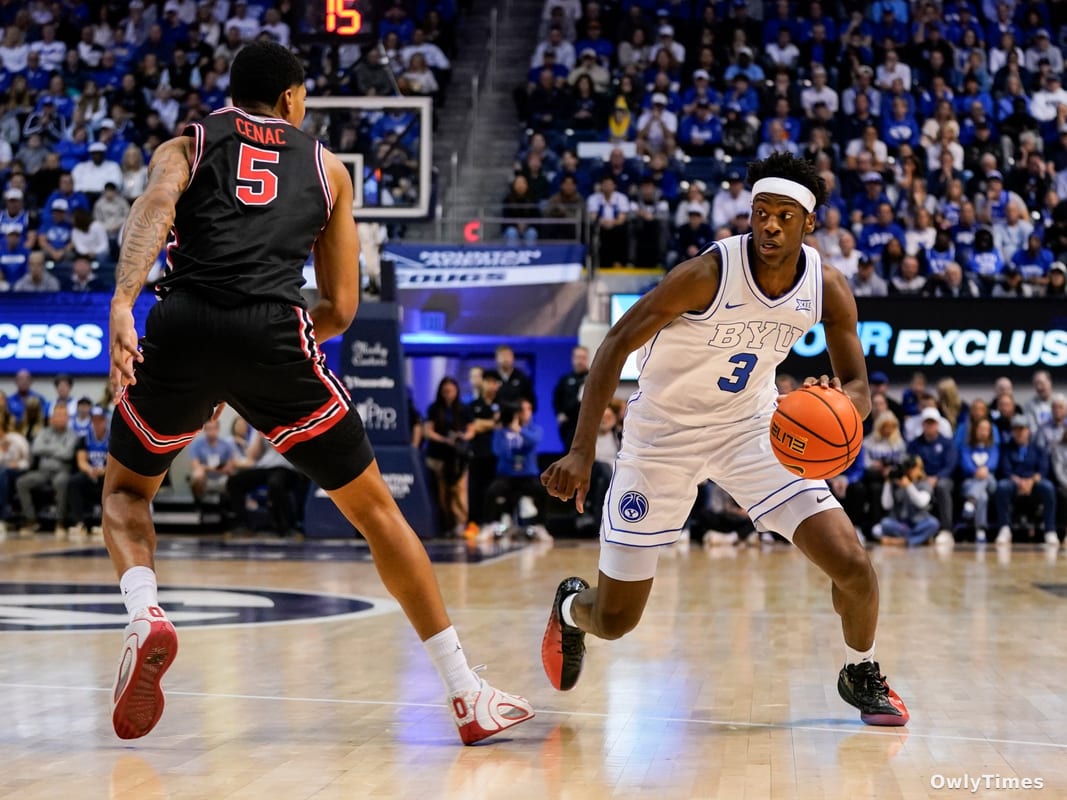

The flashbulbs at Barclays Center didn’t just illuminate AJ Dybantsa on Tuesday night; they caught a league in the midst of a violent, beautiful collision between its past and its future. As the 6-foot-9 forward stepped onto the stage to accept his Washington Wizards cap, the 19-year-old wasn't just joining a franchise; he was anchoring a 2026 NBA Draft class that defied the usual uncertainty of prospect development, leaning instead on a record-tying run of eight consecutive college freshmen to kick off the night.
Beyond the headlines of draft board slots and trade packages, the selection of Dybantsa marks a high-stakes bet on immediate, polished production. After a standout season at Brigham Young University where he averaged 25.5 points across 35 starts, Dybantsa enters the league with the kind of pedigree that forced the Wizards to choose him over Kansas’s Darryn Peterson. While Peterson, selected No. 2 by the Utah Jazz, possessed arguably higher raw scoring upside, Dybantsa’s durability—coupled with his MVP performance at the 2025 FIBA Under-19 World Cup—provided a sense of stability that teams in the midst of roster overhauls are increasingly desperate to find.
A New Era for the Washington Front Office
For the Washington Wizards, the pressure to get this pick right is existential. Having made only one playoff appearance in the last eight seasons, the organization is pivoting toward a "win-now" mandate that would have been unthinkable for a typical rebuilding team. Dybantsa joins a core already undergoing radical transformation, including the recent four-year, $212 million deal for star point guard Trae Young and the acquisition of veteran big man Anthony Davis.
The contrast between the teenage Dybantsa and the established stars he is joining highlights the current state of NBA roster construction. The Wizards are essentially betting that a generational prospect can bridge the gap between their recent struggles and the competitive pressure of an Eastern Conference that just witnessed the New York Knicks claim their first title in 53 years. History looms large here, as fans in Washington recall the 2010 selection of John Wall, whose flashes of brilliance were eventually hampered by injury. Dybantsa isn’t just being drafted to score; he is being drafted to rewrite the narrative of a franchise that has spent the better part of a decade searching for its identity.
The Michigan Connection and the Coaching Carousel
Perhaps the most human moment of the evening unfolded at the No. 9 spot, where the Dallas Mavericks selected Morez Johnson Jr. of Michigan. In a rare instance of professional alignment, Johnson was reunited with his former coach, Dusty May, who left the University of Michigan to take the helm at Dallas just 24 hours before the draft.
This scene served as a reminder that the draft is as much about relationships as it is about physical metrics. Johnson’s teammates, Yaxel Lendeborg and Aday Mara, were also lottery picks, selected at No. 11 and No. 12 respectively. For a college program to see three players go in the lottery is rare, but to have them drafted while their head coach transitions to the professional ranks in real-time underscores the fluid, often chaotic nature of the modern basketball pipeline.
Why This Class Matters for the Industry
The sheer volume of one-and-done talent—matching the record-tying eight straight freshmen to start the night—suggests that the collegiate game is functioning more efficiently as a professional incubator than ever before. However, the true test for these prospects won't be their draft-night suits or their early-season highlights. The next reading of the league’s rookie performance metrics and the subsequent integration of these players into their respective team rotations will show whether this "most talented class in recent memory" can actually shift the competitive balance of the NBA, or if the transition from campus stardom to professional consistency remains as treacherous as ever.