
The air inside Philadelphia’s Lincoln Financial Field is thick with the kind of high-stakes anticipation that only arrives once every four years. As the 2026 FIFA World Cup barrels through its group stage, the narrative has shifted from the initial shock of expansion to the cold reality of survival. With the tournament’s first-ever Round of 32 set to begin on June 28, according to Al Jazeera, the margin for error has vanished, leaving teams like Iraq to face the daunting prospect of colliding with a French juggernaut that is only just beginning to find its rhythm.
The Weight of Expectation
For France, the tournament has been a masterclass in managing immense talent. While critics, including observers cited by The Guardian, have questioned whether manager Didier Deschamps is getting the most out of his squad, the team remains a focal point of the global stage. Kylian Mbappé, arguably the face of this generation, has been vocal about the team's need to evolve. Reflecting on their recent performance against Senegal, Mbappé noted the fluidity provided by his teammates, particularly Michael Olise and Ousmane Dembélé, emphasizing that the latter’s contribution in creating space is just as vital as the goals themselves. It is a sentiment that underscores the broader industry trend: as teams become more tactically rigid, the players who can unlock space through movement are becoming the new currency of elite football.
A Cinderella Story and a Test of Grit
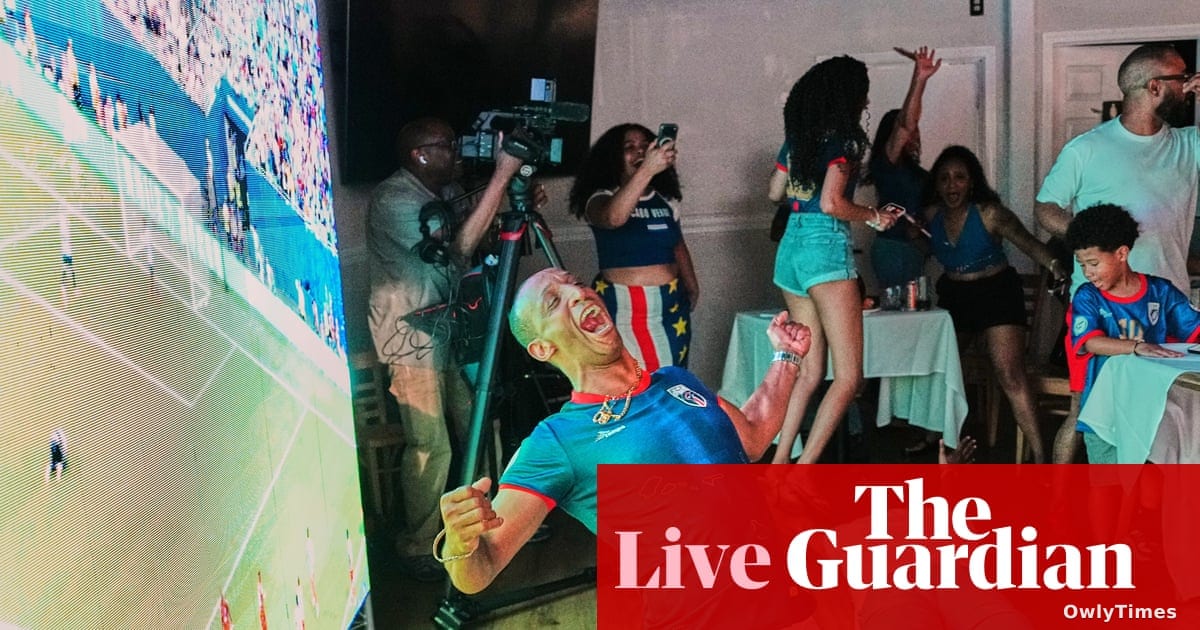
While giants like France navigate the pressure, the tournament’s human drama is playing out in the camps of the underdogs. Iraq, making their first World Cup appearance since 1986, serves as a poignant reminder of the sport's capacity to unify. According to The Guardian, midfielder Zidane Iqbal—a Manchester United academy product—speaks of the team’s mission to represent their diaspora with a calm, almost defiant confidence. Despite a 4-1 loss to Norway earlier in the week, as reported by CBS News, the Iraqi squad remains focused on the "big personalities" they face in Philadelphia. Their journey is a testament to the emotional stakes of the 2026 tournament, which has expanded to 48 teams, allowing nations that have been absent for decades to finally command the world's attention.
The New Math of Survival
Beyond the emotional narratives, the tournament is currently undergoing a structural transformation. FIFA has implemented a controversial shift in tie-breaker rules, prioritizing head-to-head records over goal difference for teams level on points. This change, highlighted by Al Jazeera, has already claimed victims; Haiti, Türkiye, and Tunisia have been eliminated after failing to overcome direct opponents. This technical shift represents a significant move toward rewarding individual match-ups over aggregate performance, a gamble that alters how managers approach the final minutes of group-stage fixtures.
The Industry’s Record-Breaking Gamble
The sheer scale of this tournament is unprecedented. With 104 matches scheduled across the U.S., Mexico, and Canada, the logistical and commercial machinery is operating at a scale that feels like a "Super Bowl every single day for five weeks," as U.S. captain Tim Ream told CBS News. The economic footprint is massive, with the broadcaster confirming that 40 matches will air during primetime in the U.S. alone. As the group stage concludes on June 27, the industry is closely watching these viewership numbers to validate the expansion. Whether the tournament will be remembered for the brilliance of its stars or the complexity of its new format remains to be seen, but the signal is clear: the 2026 World Cup is a high-stakes experiment in global engagement that has already permanently altered the landscape of the beautiful game.