
The scent of burnt popcorn and frantic button-mashing hung in the air last night as my nephew, Leo, a devout follower of the anime Jujutsu Kaisen, practically vibrated with excitement. He wasn’t waiting for a new episode; he was logging onto Xbox, poised to dive into Jujutsu Kaisen Cursed Clash as part of Xbox’s Free Play Days. It’s a scene playing out in living rooms across the country this weekend, but it’s more than just a chance for a free gaming session. It’s a calculated move by Microsoft to leverage the power of fandom and demonstrate the value of its Game Pass ecosystem – and a fascinating case study in how entertainment companies are adapting to a shifting landscape of access versus ownership.
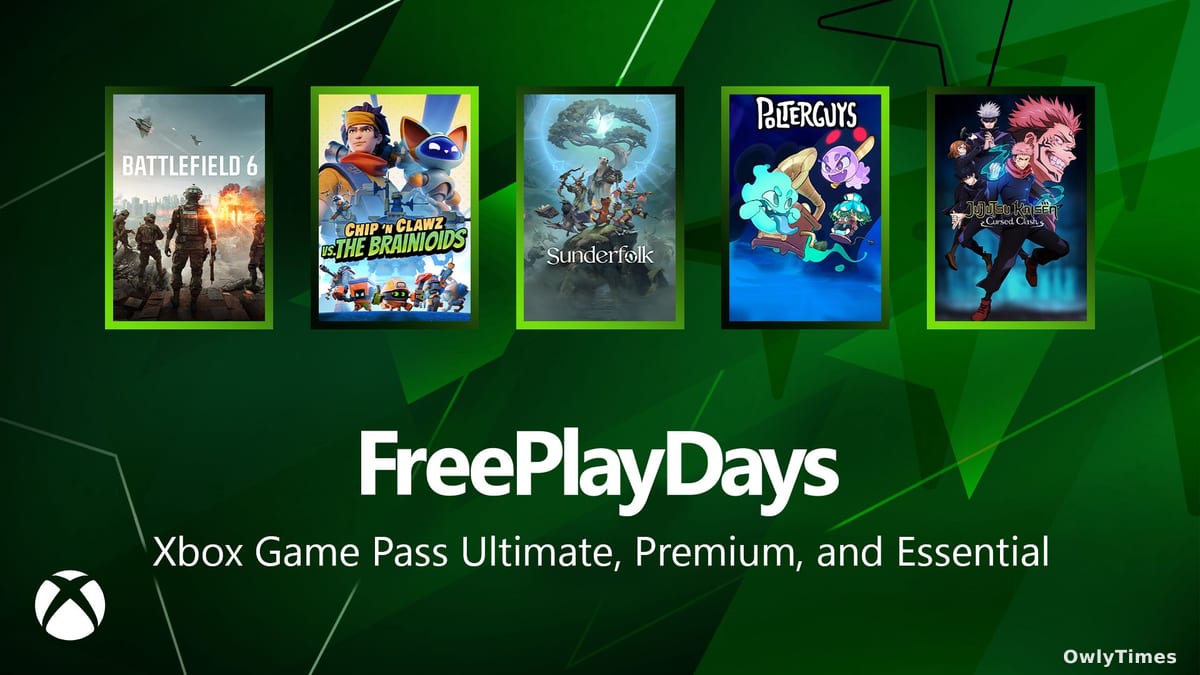
This isn’t your grandfather’s demo weekend. From Thursday, February 19th to Sunday, February 22nd, Xbox Game Pass Ultimate, Premium, and Essential members have access to a surprisingly diverse lineup: the large-scale warfare of Battlefield 6, the quirky strategy of Chip ‘n Clawz vs. The Brainioids, the cooperative RPG Sunderfolk, the chaotic party game Polterguys: Possession Party, and, crucially for Leo, Jujutsu Kaisen Cursed Clash. But the inclusion of Jujutsu Kaisen Cursed Clash – available to all Xbox members, not just Game Pass subscribers – is the key. The game, normally priced at $59.99 but currently discounted to $19.79, is a deliberate lure. Microsoft isn’t just offering a taste; they’re offering a gateway.
See the original news.xbox.com story for the full account.
The strategy is clear: convert free players into paying customers. And the numbers suggest it’s working. Battlefield 6, despite mixed reviews upon its 2021 release, is currently available for $45.49, down from its original $69.99 price tag. This isn’t accidental. Free Play Days aren’t about generosity; they’re about strategic discounting and maximizing revenue. The limited-time offers, coupled with the ability to retain Gamerscore and achievements even after the free weekend ends, create a powerful incentive to purchase. It’s a subtle but effective nudge, capitalizing on the sunk cost fallacy – the tendency to continue investing in something simply because you’ve already invested time and effort into it.
What’s particularly interesting is the shift in how games are marketed. The traditional model of a hefty upfront purchase is eroding, replaced by a subscription-based, “try-before-you-buy” approach. Microsoft is betting that access, coupled with targeted discounts, will ultimately yield higher returns than relying solely on individual game sales. This mirrors trends in music and film, where streaming services have become dominant forces. But gaming presents unique challenges. Unlike passively consuming a song or movie, gaming is an interactive experience, and the quality of that experience is paramount. A poorly executed free weekend can be more damaging than no promotion at all.
The inclusion of Sunderfolk, a game that requires a mobile app to play, also highlights a growing trend: cross-platform integration. The game’s developers, recognizing the limitations of traditional console gaming, have cleverly leveraged mobile technology to create a more accessible and social experience. One copy of the game is all a group needs, turning a solitary activity into a shared event. This is a smart move, particularly as gaming increasingly becomes a social pastime. Polterguys: Possession Party, currently 70% off during Xbox’s “Multiplat Madness” promotion, further exemplifies this strategy, offering a lighthearted, multiplayer experience designed for quick, chaotic fun.
Beyond the headlines of free games and discounted prices, this weekend reveals a fundamental shift in the gaming industry. Microsoft isn’t just selling games; they’re selling access to a curated library of experiences, and they’re using data-driven strategies to maximize engagement and conversion. The question now is whether other gaming giants – Sony, Nintendo – will fully embrace this model, or if they’ll continue to cling to the traditional model of individual game sales. Will we see a future where owning games becomes obsolete, replaced by a world of endless subscriptions and fleeting access? And, perhaps more importantly, will that future ultimately benefit gamers, or simply consolidate power in the hands of a few tech behemoths?

