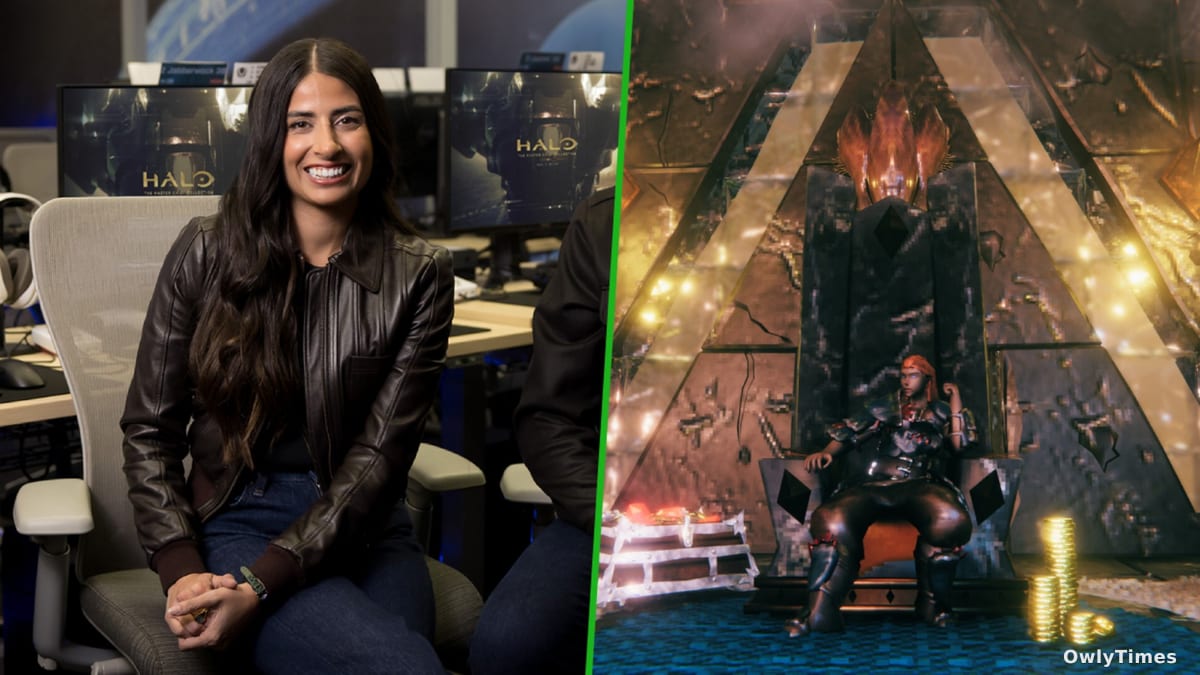

Is the future of Xbox about passion for pixels, or proficiency in powerpoints? The gaming world collectively held its breath when Asha Sharma was named CEO of Microsoft Gaming, a move that signaled a clear shift away from the gamer-first leadership of Phil Spencer. While Spencer’s encyclopedic knowledge of gaming history and genuine enthusiasm were cornerstones of his public persona, Sharma arrives with a background firmly rooted in business, not button-mashing. The real story here isn't whether she is Phil Spencer – it’s what this signals about the evolving priorities of a $68.7 billion gaming empire.
Sharma herself has been quick to address the elephant in the room, openly admitting she’s “no Phil Spencer” when it comes to Xbox history. Her recent social media engagement, however, paints a picture of someone actively attempting to bridge that gap. A revealed gamertag – “AMRAHSAHSA” – established only in January 2026, is already racking up impressive playtime. In the last month alone, Sharma has logged 30 games, achieving 100% completion in titles like Firewatch and Townscaper, and racking up a respectable 10,870 gamerscore. This isn’t casual dabbling; it’s a focused, almost aggressive, immersion.
See the original purexbox.com story for the full account.
A Carefully Curated Playlist
The games Sharma chooses to play are telling. Her top three – Halo, Valheim, and GoldenEye 007 – aren’t simply popular titles. Halo represents Xbox’s flagship franchise, a non-negotiable for any leader. GoldenEye 007, a nostalgic touchstone, demonstrates an understanding of gaming’s cultural legacy. But Valheim is the most interesting choice. The Viking survival game, a former Xbox Game Pass darling, is a PC-centric success story. This suggests Sharma isn’t solely focused on console dominance, but recognizes the growing importance of PC gaming and the subscription model that Game Pass represents. And let’s not forget her shout-out to Chrono Trigger, a beloved classic RPG that speaks to a deeper appreciation for game design.
Beyond Gamerscore: The Business of Gaming
The obsession with Sharma’s gamerscore – a metric of achievement within the Xbox ecosystem – misses the larger point. While Spencer’s gaming prowess fostered a strong connection with the core fanbase, Microsoft’s investment in Activision Blizzard and its broader ambitions require a different skillset. Lulu Cheng Meservey, former Activision EVP, has already weighed in, noting that effective leadership doesn’t require a decades-long gaming history. The company isn’t simply selling games anymore; it’s building a media and entertainment platform, navigating complex regulatory landscapes, and competing with tech giants like Sony and Tencent. Sharma’s background, presumably, equips her to handle those challenges.
The Game Pass Imperative
Microsoft’s strategy hinges on Game Pass. The service currently boasts over 25 million subscribers, generating a recurring revenue stream that’s far more predictable than individual game sales. Sharma’s embrace of Valheim, a Game Pass success story, isn’t accidental. It signals a commitment to the subscription model and a willingness to prioritize content that drives engagement within the ecosystem. This is a crucial shift for consumers, too. It means less emphasis on owning individual titles and more on accessing a vast library of games for a monthly fee – a model that’s increasingly becoming the norm.
What Happens When the Hype Cycle Ends?
The initial reaction to Sharma’s appointment was largely positive, fueled by her enthusiasm and demonstrable effort to learn the Xbox landscape. But the honeymoon period won’t last. The real test will come when Microsoft faces its next major challenge – a disappointing game launch, a regulatory setback, or a competitive threat from a rival platform. Will Sharma’s business acumen be enough to navigate those storms? I predict that within the next 18 months, we’ll see a significant restructuring within Microsoft Gaming, with a greater emphasis on data-driven decision-making and a streamlining of development processes. The question isn’t whether Sharma likes games, but whether she can build a gaming business that thrives in a rapidly changing world.