
Beyond “Beep Boop”: What Microsoft’s Gaming Shift Really Signals
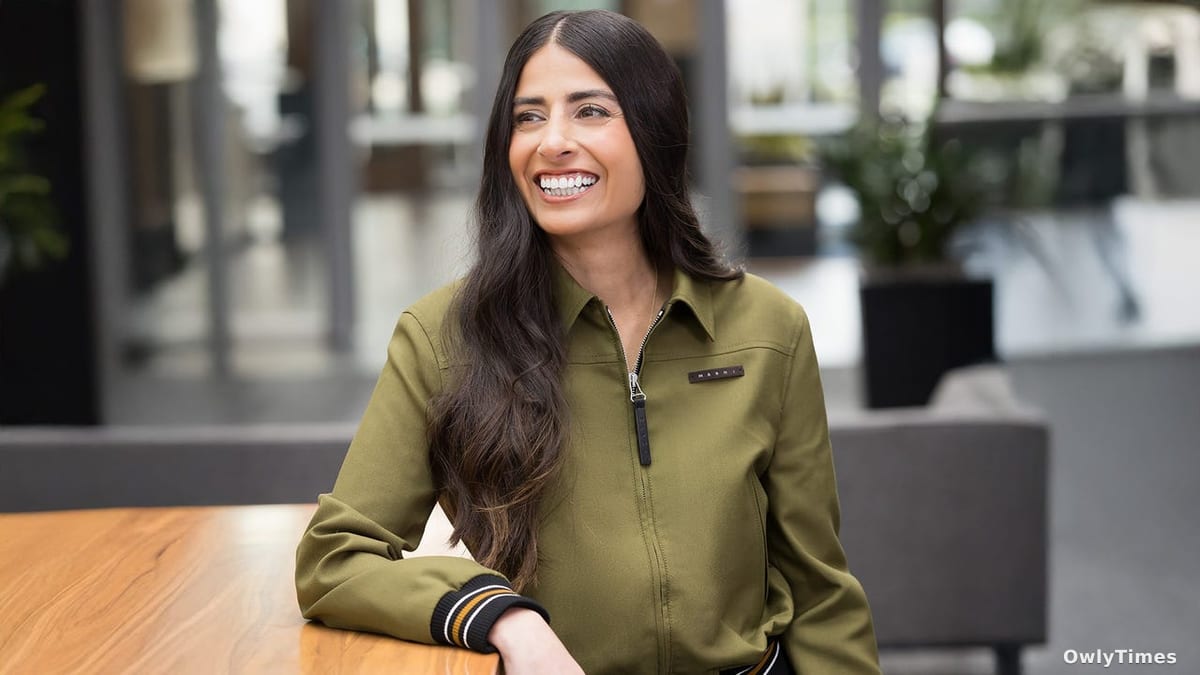
Is Microsoft deliberately testing how much brand loyalty can withstand a calculated gamble? The appointment of Asha Sharma as the new head of Xbox, replacing the long-revered Phil Spencer, wasn’t just a personnel change – it was a provocation. The real story here isn't about finding a successor, it’s about Microsoft signaling a willingness to fundamentally redefine what “gaming expertise” even means in the era of AI. While headlines focus on fan skepticism and Sharma’s playful responses on X (formerly Twitter), the underlying message is far more disruptive.
The swiftness of the transition – announced by Satya Nadella and reported exclusively by IGN last Friday – is noteworthy. The simultaneous departure of Sarah Bond, and promotion of studios chief Matt Booty, suggests a carefully orchestrated restructuring, not a reactive scramble. Sharma’s initial foray into engaging with fans, acknowledging she’s “no XboxP3,” feels less like humility and more like a deliberate framing. She’s not trying to be Phil Spencer; she’s demonstrating a different kind of leadership. Her top three games – “Halo, Valheim, Goldeneye” – aren’t necessarily the point. It’s the willingness to admit a gap in classic gaming knowledge while simultaneously showcasing a gamertag (AMRAHSAHSA) and a recent play history that matters.
This piece references the ign.com report.
That play history, revealed through her Xbox profile, is fascinating. Thirty titles unlocked since January 15th, leaning heavily into narrative-driven indie games like Firewatch and Gone Home, alongside casual hits like Vampire Survivors and BALL x PIT. This isn’t the profile of someone who’s spent decades mastering competitive shooters or sprawling RPGs. It’s the profile of someone rapidly absorbing the experience of gaming, focusing on the emotional core and interactive storytelling that AI is increasingly capable of understanding and, eventually, replicating. The “Beep Boop Beep Boop” response to a user accusing her of being an AI isn’t a denial; it’s an acknowledgement of the inevitable. Microsoft isn’t looking for a gamer to run Xbox, they’re looking for someone who understands how to build the future of gaming, and that future is inextricably linked to artificial intelligence.
The fan reaction, captured in everything from autotuned lamentations to outright accusations of inauthenticity, is predictable. The gaming community is notoriously protective of its gatekeepers, and Spencer was a beloved figure. But the intensity of the backlash reveals a deeper anxiety: the fear that gaming is becoming less about skill and mastery, and more about curated experiences and algorithmic personalization. This isn’t a new fear, of course. The rise of game-as-a-service models and microtransactions already sparked similar concerns. But the potential for AI to fundamentally alter game design, narrative, and even player interaction is on a different order of magnitude. Consider the implications of AI-generated quests, dynamically adjusted difficulty levels, or even entirely personalized game worlds.
Microsoft’s investment in AI is massive, and Sharma’s background is firmly rooted in that space. Her previous work focused on leveraging AI to improve user experiences, and that’s precisely the lens through which she’s likely to view the Xbox ecosystem. The question isn’t whether she likes gaming, but whether she can use AI to make gaming more accessible, more engaging, and ultimately, more profitable. The fact that she responded to a fan suggesting a return to the “blade dashboard” – a beloved but outdated Xbox interface – with a teasing “Should bring the blade dashboard?” suggests she’s not afraid to challenge established norms.
So, what happens next? Watch for a significant shift in Xbox Game Pass strategy over the next 18 months. Microsoft will likely begin experimenting with AI-powered game recommendations, personalized content creation tools, and potentially even AI-driven game modifications. The real test won’t be whether Sharma can win over the hardcore gaming community, but whether she can attract a new wave of players who are drawn to the promise of a more intelligent, more adaptive, and more personalized gaming experience. The future of Xbox isn’t about preserving the past; it’s about building a future where gaming is less about playing a game, and more about experiencing a world tailored just for you.