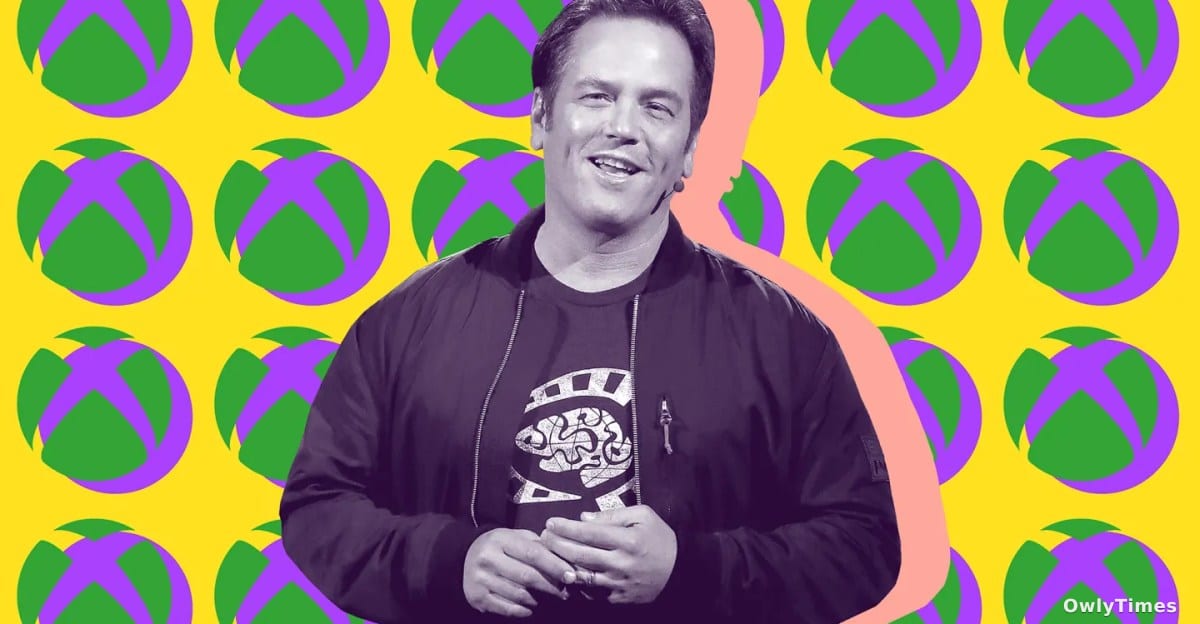

$13.5 billion is the figure hanging over Microsoft’s gaming division today, representing the outstanding debt from the Activision Blizzard acquisition – a deal Phil Spencer spearheaded and now leaves behind as he prepares to retire from Microsoft after nearly four decades. The simultaneous departure of both Spencer, the architect of modern Xbox, and Sarah Bond, Xbox president, isn’t simply a changing of the guard; it’s a fundamental restructuring signaling a shift in Microsoft’s gaming strategy, one increasingly focused on platform consolidation and, crucially, artificial intelligence. Follow the money, and the narrative becomes clear: Microsoft isn’t just betting on games, it’s betting on the infrastructure that delivers them, and the AI that will personalize the experience.
A Succession Plan Years in the Making
The narrative of a sudden shake-up is misleading. According to Satya Nadella, Microsoft CEO, Spencer initiated retirement discussions “last year,” well before rumors began circulating this summer dismissing such speculation. This pre-planning is characteristic of Nadella’s leadership style, prioritizing controlled transitions over reactive responses. The appointment of Asha Sharma, currently president of CoreAI product, as the new Microsoft Gaming CEO underscores this focus. Sharma’s background isn’t in gaming – her recent experience lies in scaling AI platforms at Meta and Instacart – but in building and monetizing platforms. This isn’t a search for a gaming visionary to replace Spencer; it’s a strategic elevation of an executive capable of integrating gaming more deeply into Microsoft’s broader AI ecosystem. The timing aligns with Microsoft’s aggressive push to embed AI across all its products, from Office to Azure, and gaming represents a massive, untapped data source for personalization and predictive analytics.
This article draws on reporting from The Verge.
The Activision Blizzard Factor and Platform Priorities
The $13.5 billion Activision Blizzard acquisition, finalized in October 2023, dramatically altered the financial landscape of Microsoft Gaming. While adding blockbuster franchises like Call of Duty and World of Warcraft, it also introduced significant debt and integration challenges. Sharma’s mandate, as outlined in her internal memo, explicitly prioritizes “recommitting to our core Xbox fans” and “the return of Xbox starting with console.” This isn’t nostalgia; it’s a recognition that the console remains a crucial anchor for the Xbox ecosystem, even as Microsoft expands into cloud gaming via Game Pass. The console provides a controlled environment for data collection and a direct revenue stream, vital for justifying the Activision Blizzard investment. The emphasis on the console, after a period of speculation about a potential shift towards a platform-agnostic future, represents a recalibration.
Beyond Games: The AI-Driven Future of Play
Sharma’s experience at Meta and Instacart is particularly relevant here. Both companies excel at leveraging user data to personalize experiences and optimize advertising revenue. Microsoft is likely aiming to replicate this success within the gaming space, using AI to tailor game recommendations, personalize in-game content, and potentially introduce new monetization models. Matt Booty’s promotion to EVP and chief content officer further solidifies this strategy. Booty, previously president of game content and studios, will be responsible for ensuring that Microsoft’s game development efforts align with the broader platform vision. The internal memos from both Spencer and Nadella consistently emphasize the importance of “stability” and “strengthening the foundation” – code for ensuring a smooth transition and maximizing the return on investment in both content and infrastructure.
What This Means for Your Wallet
The immediate impact for consumers is likely minimal. Microsoft has repeatedly stated its commitment to supporting existing Xbox hardware and Game Pass subscribers. However, expect to see a gradual increase in AI-powered features within Xbox games and services. This could manifest as more personalized game recommendations, dynamic difficulty adjustments, or even AI-generated content. The long-term implication is a potential shift towards a more data-driven, subscription-based gaming model, where the value proposition isn’t just the games themselves, but the personalized experience they offer. The key question for investors and consumers alike is whether Microsoft can successfully integrate AI into gaming without alienating its core audience, and whether the revenue generated from these new features will ultimately justify the massive investment in Activision Blizzard and the ongoing development of its AI platform. Will Microsoft prioritize player experience or data extraction? That’s the metric to watch in the coming quarters.