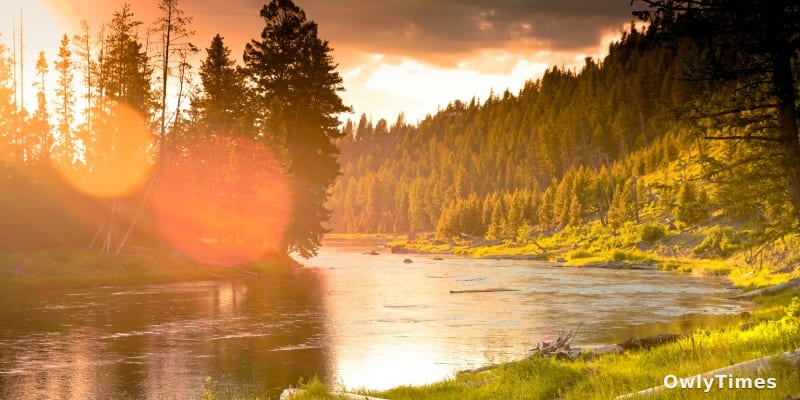

When a grizzly bear charges into a campsite in the dead of night, the conventional wisdom suggests that physical stature is the ultimate defense. I stood over six feet tall and weighed nearly 250 pounds, a frame that usually commanded authority when I used my “teacher voice” to manage groups of eighth graders in the wilderness. Yet, when a grizzly actually breached our camp in Yellowstone, my years of training evaporated into a frantic, clumsy search for bearspray. It was not the imposing physical presence of an instructor that saved us, but the swift, unexpected intervention of my co-instructor, Beth. While I stood frozen, she charged the predator, utilizing a barrage of expletives that forced the animal to retreat.
This moment serves as a potent reminder of how we often miscalculate the source of true power, a theme that anchors the world-building in my recent novel, City of Iron and Ivy. While the book is a fantasy-mystery set in Victorian London, its foundation is not built on pure imagination, but on the botanical realities I observed during my time teaching at the Teton Science School. The scientific question here is simple: how do the complex, often invisible networks of the natural world influence our perception of magic and power?
What the narrative of my experience suggests—versus what some might expect from a "wilderness expert"—is that scientific literacy does not always equate to survival or intuition. I arrived at this field from the University of Michigan, where I studied Environmental Science with a focus on Geology, initially aiming for a career in mining exploration. That path felt sensible until I realized my true aptitude lay in the storytelling of science rather than the industrial application of it. My colleagues, true “plant people,” possessed a depth of knowledge that felt like alchemy; they could identify Artemisia tridentata—the thrice-fanged Artemis—by its scent, or utilize lemon-balm for hydration. They viewed the woods not as a backdrop, but as a system of map-like relations between species.
There are limitations to considering these natural phenomena through a lens of fantasy. While the aspen groves of the American West are effectively a single organism—some of the oldest and largest living things on earth—they do not literally whisper with the voices of the dead, as my fictional elderwood trees do. Similarly, while lichen can digest stone over centuries, their role in my protagonist Elswyth’s life as a Lichtenberg figure is a literary amplification of fractal growth patterns, not a biological reality. The danger in romanticizing nature is the tendency to overlook the ecological fragility that defined the Victorian era I chose for my setting.
That period was a contradiction of botanical discovery and destruction. While the era saw a surge in scientific cataloging and the Victorian obsession with ferns known as pteridomania, it simultaneously pushed species to the brink of extinction and exploited ecosystems under the guise of progress. My next steps in exploring these themes involve looking deeper into how contemporary conservation efforts can bridge the gap between our urban lives and the wild spaces that remain. The next reading of local biodiversity metrics will determine whether our current stewardship is sufficient to protect these "inextractable" parts of our world, or if we are continuing the patterns of the 19th century that nearly cost us the very flora we now seek to understand.





