
The Erosion of Electoral Mandate: South Korea’s Drift Towards Juristocracy
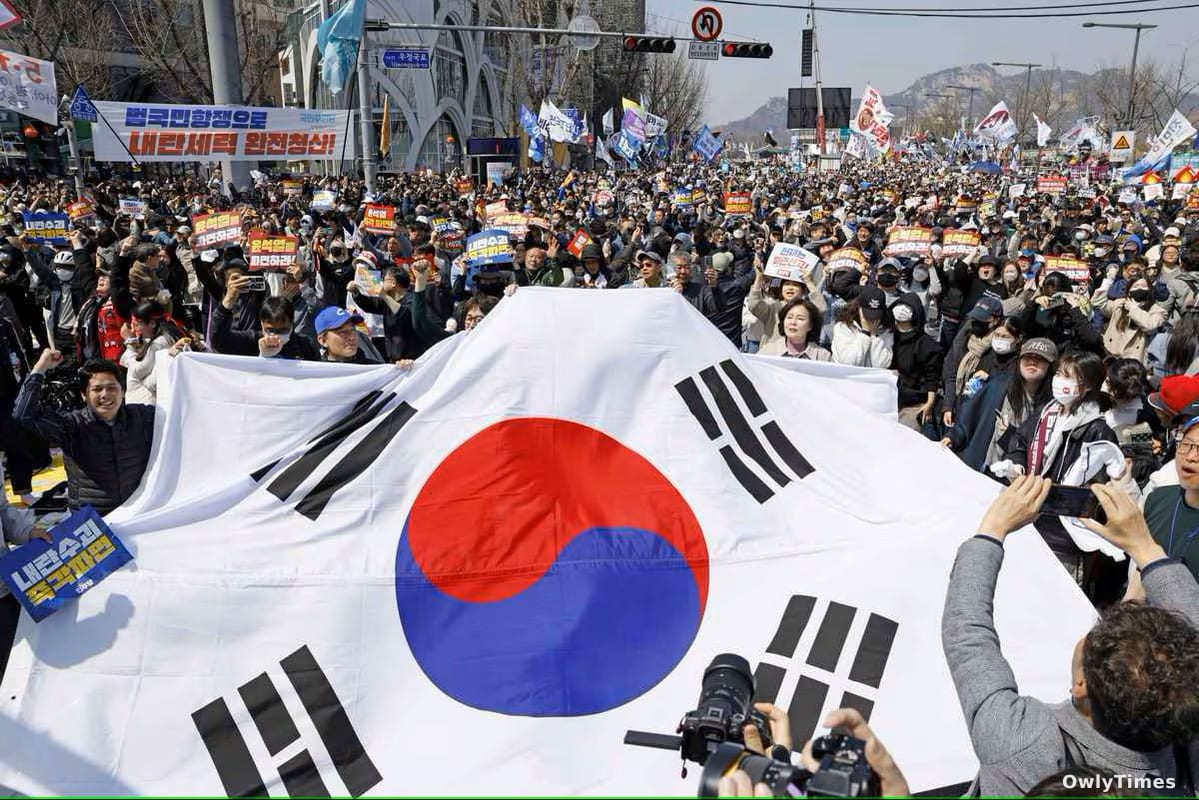
The February 19th conviction of former South Korean President Yoon Suk-yeol on charges of insurrection wasn’t simply a legal outcome; it was a calculated power play revealing a strategic shift in South Korean politics. The move, culminating in Yoon’s removal from office, underscores a growing reliance on judicial intervention to resolve fundamentally political disputes – a phenomenon comparative scholars term “juristocracy.” This isn’t about judges exceeding their authority, but about a political system increasingly outsourcing its core functions to the courts, driven by a polarization so acute that electoral defeat is perceived as an existential threat. Who benefits and who loses from this trend is becoming starkly clear: the electorate loses agency, while the judiciary gains unprecedented influence, and entrenched political factions weaponize the legal system against each other.
South Korea’s history since democratization has been punctuated by judicial crises. The impeachment of Roh Moo-hyun in 2004 (later overturned), the removal of Park Geun-hye in 2017, and now Yoon’s ousting in 2025, all demonstrate a pattern of courts stepping into the void left by a fractured political landscape. While proponents argue these interventions safeguard the constitutional order by curbing executive power, each instance has simultaneously elevated the authority of the judiciary, reinforcing the expectation that judges will ultimately settle major political disputes. The current situation isn’t merely a continuation of this trend; the criminal conviction alongside the removal represents a qualitative escalation, where the judiciary not only overrides the will of voters but actively decides leadership succession. This echoes the tumultuous period following the French Revolution, where the Directory repeatedly relied on military coups and judicial maneuvers to maintain power, ultimately paving the way for Napoleon Bonaparte’s ascent – a cautionary tale of democratic institutions collapsing under the weight of internal strife.
The rise of juristocracy isn’t born of judicial ambition, but of deeper political conditions. In South Korea, the most potent driver is a hardening ideological divide. The left-right spectrum has transformed into antagonistic partisanship, where opposing camps view each other not as legitimate rivals with differing policies, but as threats to the republic’s very survival. This manifests most visibly in debates surrounding security, external alignment, and national identity. Progressives favor inter-Korean reconciliation, diplomatic autonomy, and pragmatic engagement with China, viewing South Korea as a bridge on a divided peninsula. Conservatives prioritize deterrence, a strong alliance with the US and Japan, and see the nation as a frontline democracy. This isn’t simply a disagreement over policy; it’s a fundamental contest over South Korea’s geopolitical reality. When political conflict is framed in such existential terms, electoral defeat isn’t merely a policy reversal, but a perceived national catastrophe.
Original reporting: japan-forward.com.
This dynamic explains the increasingly aggressive use of the legal system as a political weapon. Successive administrations, regardless of ideology, have weaponized prosecutors and courts to target both former and incumbent leaders, as well as lawmakers. Each side, anticipating future vulnerability, simultaneously contests judicial appointments and legislation to shape the judiciary itself. Courts, therefore, function as both shield and sword in a zero-sum political struggle. The recent cycle, culminating in Yoon’s conviction, illustrates this perfectly. Supporters hailed the ruling as definitive closure to an authoritarian threat, while critics argued it stretched the definition of insurrection and blurred the line between executive overreach and criminal conduct. This stark divergence in interpretation is a hallmark of juristocracy, where judicial decisions on politically charged matters are inevitably viewed through partisan lenses. The case of Lee Jae-myung, the current president whose ability to even run for office depended on a court decision regarding his own pending criminal case, further exemplifies this trend.
South Korea remains a resilient democracy with competitive elections and an independent judiciary. However, the growing pattern of leadership outcomes being determined through impeachment rulings and criminal verdicts signals a fundamental shift in how political legitimacy is produced. Juristocracy, in this context, is less a deliberate judicial project and more a symptom of deep political fragmentation. The question now isn’t whether the courts can intervene, but whether the political actors will allow them to not intervene when the stakes are perceived as high enough. The next political chess move to watch is the upcoming parliamentary elections and whether the ruling party, led by Lee Jae-myung, will attempt to further consolidate judicial power through legislative reforms – or whether the opposition will successfully frame such moves as a further erosion of democratic norms and a deepening of South Korea’s descent into juristocracy.





