
Is the future of AI less about replacing jobs and more about filling voids in our social lives? While Silicon Valley obsesses over autonomous vehicles and algorithmic trading, a quiet revolution is brewing in South Korea, and it’s powered by a surprisingly human need: connection. The real story here isn't the country’s impressive $173.4 billion in semiconductor exports for 2025 – though that’s certainly a factor – it’s how South Korea is uniquely positioned to become a global leader in AI-driven entertainment and, yes, even digital companionship.
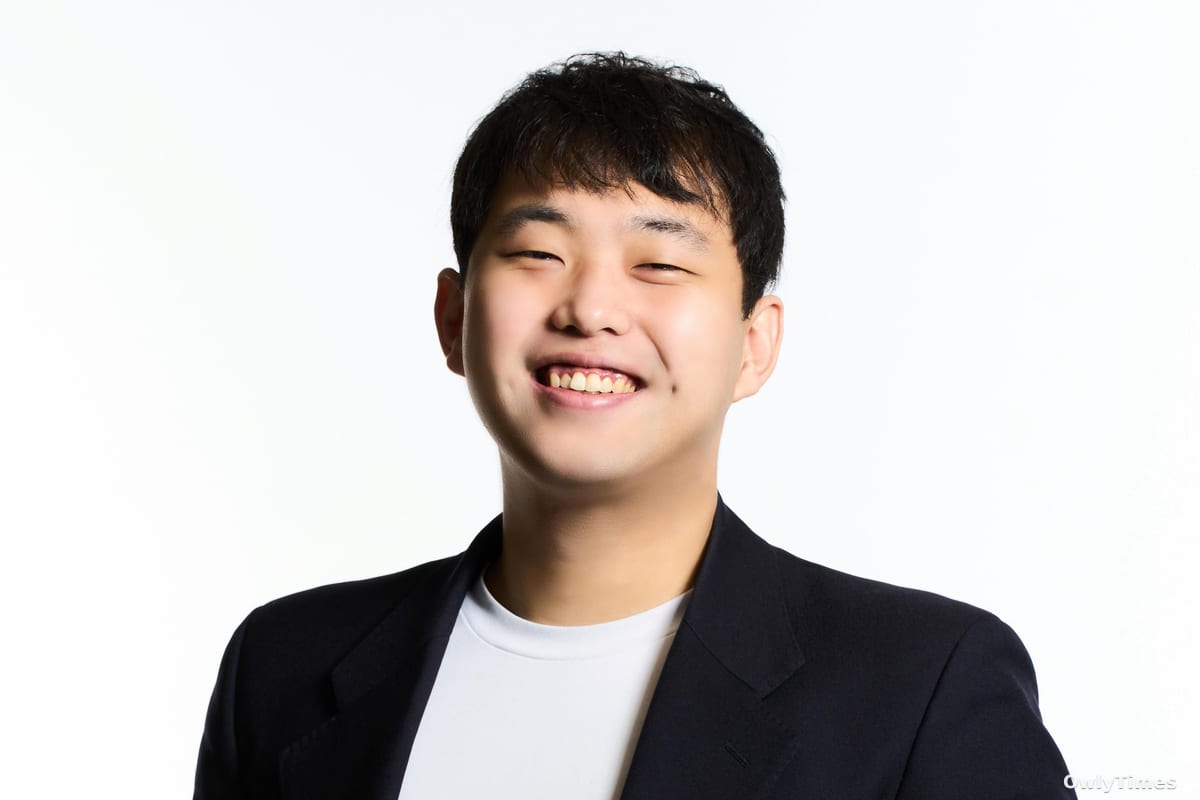
Founded in 2021, wrtn, a South Korean startup operating under the brand names Crack and Kyarapu, is a prime example. Initially a chatbot aggregator, wrtn is now projected to exceed $100 million in annual recurring revenue this year thanks to its interactive storytelling platform. Forget passive consumption; wrtn lets users actively shape narratives in real-time, essentially becoming the protagonist in a story written for them. Dong-jae Lee, wrtn’s chief product officer, frames it perfectly: the AI acts as a dungeon master in a tabletop RPG, improvising the plot based on user choices. It’s a compelling concept, blurring the lines between reading, gaming, and, crucially, interaction.
With over five million monthly active users already across Korea and Japan, wrtn’s success isn’t just about clever technology. It’s tapping into a cultural and demographic shift. Martell Hardenberg, a partner at Antler and an investor in wrtn, points to South Korea’s robust tech talent and established industrial base as key advantages. But he also highlights a less-discussed driver: the country’s rapidly aging population and declining birthrate. Automation isn’t just about efficiency; it’s about addressing a looming labor shortage. And, perhaps more subtly, it’s about mitigating the effects of increasing social isolation. Hardenberg bluntly acknowledges “a bit of a loneliness epidemic,” and asks a vital question: “How can AI help with that?”
Drawn from Fortune.
That question isn’t lost on researchers. A Harvard Business Review analysis actually found that therapy and companionship are leading reasons people are experimenting with generative AI, surpassing even productivity gains. This is a stark contrast to the dominant narrative of AI as a job-killing force. While regulators in both the U.S. and China are grappling with the ethical implications of AI companions – China is even considering rules requiring human intervention in extreme cases – the demand is clearly there. The fact that wrtn is already planning a U.S. launch by mid-2026 and considering an IPO by 2028 speaks volumes about its confidence and the potential of this market.
South Korea’s government is also playing a significant role, backing an ambitious initiative dubbed the “AI Squid Game” – a competitive program designed to develop a sovereign AI foundation model. While tech giants like Kakao and Naver have opted out, the sheer investment signals a national commitment to AI development. This isn’t simply about technological supremacy; it’s about securing a future where South Korea isn’t reliant on foreign AI systems, and can tailor solutions to its specific societal needs. The country is actively carving out a niche, focusing on applications that resonate with its cultural context and address its unique demographic challenges.
But the success of wrtn and the broader Korean AI ecosystem isn’t guaranteed. The U.S. and China still dominate the AI landscape in terms of funding and infrastructure. The “AI Squid Game” could easily falter, and consumer interest in AI companionship could prove fleeting. However, the underlying trends – the loneliness epidemic, the aging population, the demand for personalized entertainment – are unlikely to reverse. My prediction? Watch closely for the emergence of a new category of “relational AI” originating from Asia, specifically Korea, within the next three years. The question isn’t if AI will become more emotionally intelligent, but where that intelligence will be designed, and for whom. And right now, South Korea is making a compelling case for being at the forefront.