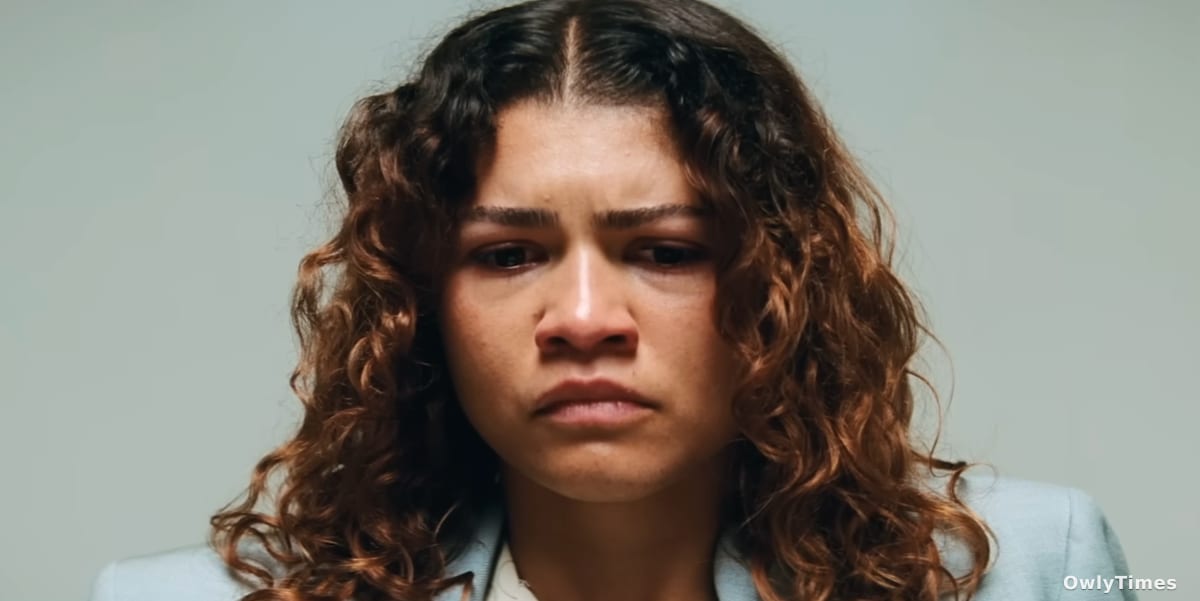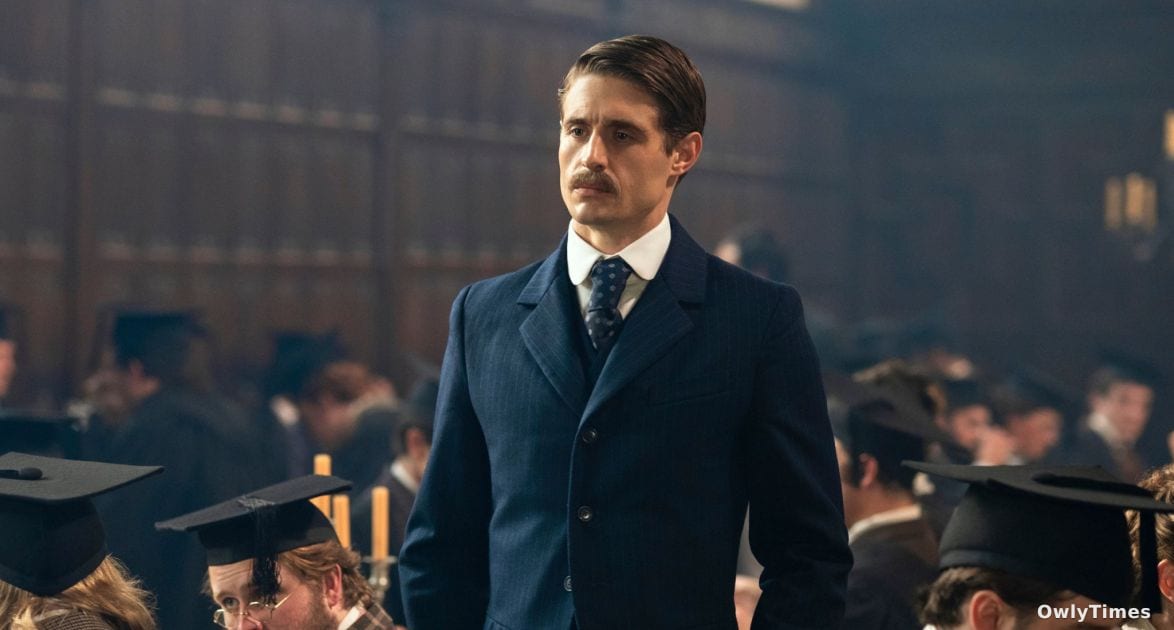

The chipped porcelain of a teacup rattled in my hand, a nervous tremor mirroring the one running through the streaming landscape. It’s March 22nd, 2026, and the conversation isn’t about the latest prestige drama or blockbuster release – it’s about a teenager. Not just any teenager, but a young, reckless, and decidedly un-polished Sherlock Holmes, courtesy of Guy Ritchie and Amazon Prime Video. While Hollywood’s obsession with intellectual property isn’t new – consider the countless iterations of Batman, Romeo & Juliet, and The Great Gatsby – the speed and fervor with which Young Sherlock has captured an audience feels different, a signal of a shifting appetite for origin stories and a willingness to embrace messiness in a world demanding polished perfection.
The Reboot Reflex and the Appeal of Imperfection
We’re living in an age of relentless nostalgia, a cultural craving for the familiar. But simply reheating old stories isn’t enough anymore. The success of Young Sherlock, which premiered on March 4th and quickly landed in Prime Video’s Top 10, isn’t about the what – it’s about the how. Ritchie doesn’t offer a reimagining of the iconic detective we know from Arthur Conan Doyle’s stories or the celebrated Benedict Cumberbatch portrayal. Instead, he delivers a deconstruction, a glimpse into the formative years of a brilliant mind grappling with trauma and societal expectations. This isn’t the deductive master in Baker Street; it’s a “disgraced young man–raw and unfiltered,” as the official synopsis states, stumbling through his first case in 1870s Oxford. This deliberate rejection of the polished archetype is resonating with viewers, and it’s a strategic move in a market saturated with superheroic perfection. The show’s 83% score on Rotten Tomatoes isn’t just a number; it’s a validation of this risk, a sign that audiences are hungry for flawed heroes.
Source material: purewow.com.
Beyond the Baker Street Mythos: A Generational Shift in Storytelling
The cultural moment surrounding Young Sherlock isn’t simply about a popular show; it’s about a generational shift in how we consume and relate to narratives. For decades, the Sherlock Holmes character has represented unwavering logic and intellectual superiority. But Gen Z and younger Millennials, raised in an era of unprecedented uncertainty and self-awareness, are drawn to vulnerability and authenticity. They’re less interested in aspirational figures and more invested in characters who reflect the complexities of the human experience. Philip Mutz, VP of News & Entertainment at PureWow, succinctly captured this sentiment, calling Young Sherlock “the best new show” and praising its “wildly fresh take” on the familiar story. His comparison to Ritchie’s previous work, The Gentlemen, is telling – both series blend suspense, humor, and action with a healthy dose of moral ambiguity, appealing to an audience that rejects simplistic narratives. This isn’t a story about a perfect detective solving crimes; it’s a story about a young man becoming a detective, making mistakes, and learning from them.
Prime Video’s Strategic Play in a Crowded Landscape
Amazon Prime Video has been aggressively pursuing original content, investing billions in a bid to compete with Netflix, Disney+, and HBO Max. But simply throwing money at big-name stars and established franchises isn’t a guaranteed path to success. Young Sherlock represents a more nuanced strategy: identifying a beloved IP, partnering with a visionary director like Ritchie, and offering a genuinely unique perspective. The show’s rapid climb in the rankings demonstrates the power of this approach. While viewership numbers haven’t been publicly released, the enthusiastic online reaction – “I thought it was wonderful,” “Absolutely AWESOME Series!” – suggests a significant level of engagement. This is particularly crucial for Prime Video, which relies heavily on subscriber retention. A compelling original series like Young Sherlock isn’t just attracting new viewers; it’s giving existing subscribers a reason to stay.
The Future of Origin Stories and the Demand for Nuance
The success of Young Sherlock isn’t an isolated incident. It’s part of a broader trend towards origin stories, prequels, and re-imaginings that explore the formative years of iconic characters. But the key takeaway isn’t simply that audiences are willing to revisit familiar territory. It’s that they demand nuance, authenticity, and a willingness to challenge established narratives. The question now isn’t if we’ll see more origin stories, but how they will be told. Will studios continue to embrace the messiness of imperfection, or will they revert to safe, sanitized retellings? Will they prioritize character development over spectacle, and vulnerability over invincibility? The fate of future reboots, and the continued relevance of classic characters, may very well depend on the answers.