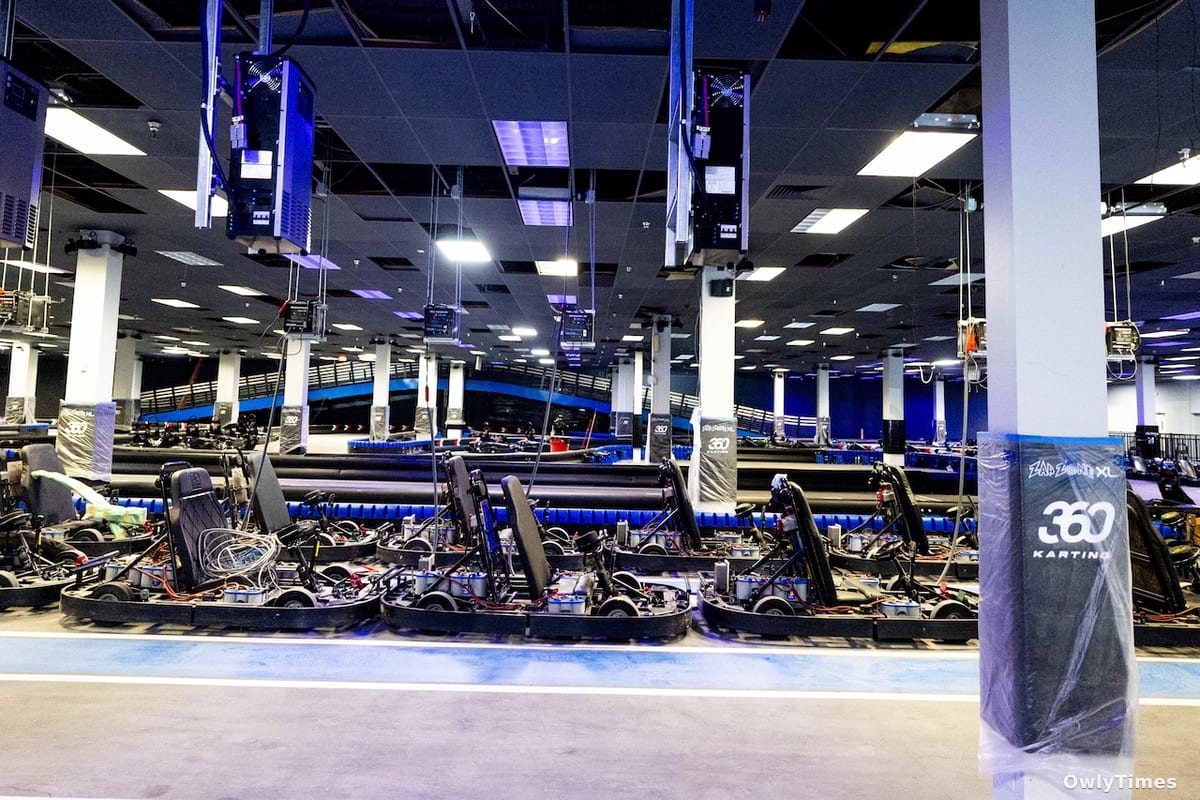

The air in Portage, Michigan smelled like possibility – and a faint whiff of ozone from a thousand flashing arcade lights. Not the scent you’d expect to find anchoring a struggling mall, but that’s precisely the point. Over the weekend, Zap Zone XL threw open its 158,186-square-foot doors at The Crossroads mall, drawing over 3,000 visitors and a whole lot of hope for a retail space desperately seeking a second act. This isn’t just about a new entertainment venue; it’s a microcosm of how communities are reimagining the purpose of malls in a world increasingly dominated by online shopping and on-demand experiences.
The Crossroads mall, like many across the country, has faced the familiar headwinds of changing consumer habits. Vacancy rates climbed, foot traffic dwindled, and the future looked bleak. Enter Mike Hafez, owner of Zap Zone, with a bold proposition: transform a dying retail space into a sprawling “eat-tainment” destination. It’s a strategy we’ve seen gaining traction – think Topgolf, Dave & Buster’s, even immersive art experiences like Meow Wolf – but Zap Zone’s scale is particularly ambitious. They’re not just adding an attraction to the mall; they are the mall’s new core. A standard day pass at $39.99 unlocks access to laser tag, bumper cars, roller skating, and a pixel floor, while a $75 VIP pass throws in bowling, go-karting, ax throwing, and more.
Audrey Whitaker of the Kalamazoo Gazette/MLive was on the ground for the grand opening, playfully awarding “paper plate awards” to the various activities. While the roller coaster simulators, “Jurassic Mini-Golf,” and trampoline park are still under construction, the existing offerings – including two rage rooms, a state-of-the-art go-kart track, and Rocko’s Bar and Grill – are clearly designed to appeal to a broad demographic. The addition of an indoor roller rink, a first for Zap Zone’s 10 Michigan locations, signals a deliberate attempt to tap into a nostalgic vein, offering something genuinely new within their existing portfolio. This isn’t simply about providing entertainment; it’s about creating a social hub, a place where families, friends, and even date nights can unfold.
Beyond the headlines of arcade games and go-karts, the success of Zap Zone XL hinges on a larger economic question: can “eat-tainment” truly revitalize struggling retail spaces? The investment is significant. While the exact cost of the build-out hasn’t been publicly disclosed, a facility of this size represents a substantial financial commitment. The gamble is that the draw of unique, immersive experiences will outweigh the convenience of online shopping, bringing people back to physical spaces. The pricing structure – with tiered passes and weekly deals like $25 unlimited standard attractions on Tuesdays and half-price arcade games on Thursdays – demonstrates a clear understanding of the need for affordability and accessibility. This is a deliberate attempt to court repeat customers, turning a one-time visit into a regular habit.
See the original mlive.com story for the full account.
But the long-term viability of this model isn’t guaranteed. The entertainment industry is notoriously fickle, and consumer tastes can shift quickly. Will the novelty of Zap Zone XL wear off? Will it be enough to attract shoppers to the rest of The Crossroads mall? The real test will come not in the initial rush of opening weekend excitement, but in the months and years to come. The question isn’t just whether Zap Zone XL can succeed as a business, but whether it can serve as a blueprint for the future of the American mall – a future where retail is less about transactions and more about experiences. Will other malls follow suit, transforming themselves into immersive entertainment destinations, or will they continue to fade into obsolescence? That’s the scenario developers across the country will be watching closely.