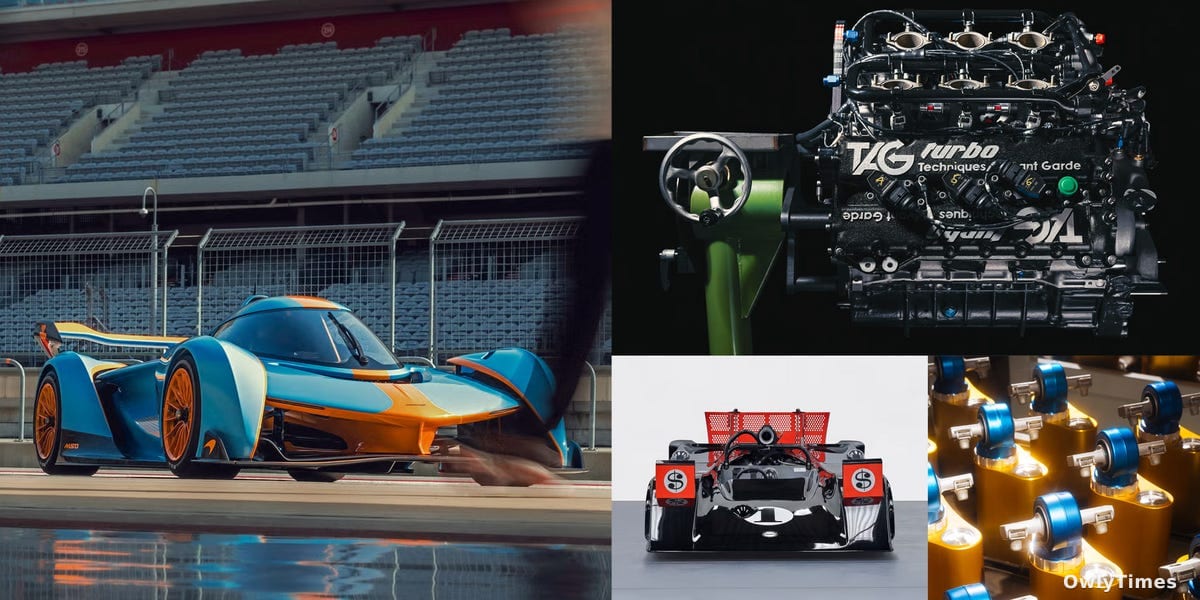

When we talk about the physics of speed, we often fixate on the raw power of internal combustion or the immediate torque of electric motors. Yet, the true frontier of automotive performance isn't found in a single component, but in the synthesis of disparate disciplines—from the fluid dynamics of air intake to the psychological architecture of the driver. The April 21, 2026 edition of Car Culture, titled Volume 25 Science Of Speed, moves beyond the surface-level obsession with horsepower to interrogate the engineering methodologies that actually define modern velocity.
Beyond the Aesthetic of Aerodynamics
A central tension in automotive design is the balance between functional necessity and aesthetic legacy. Take, for instance, the NACA duct, a feature now ubiquitous in high-performance styling. While many enthusiasts view it as a hallmark of modern speed, its history is rooted in the early-jet-age era where it was initially deemed a failure. Examining how a design element transitions from a theoretical shortcoming to a motorsport fetish reveals how engineering culture often values the "look" of performance as much as the reality of drag reduction. This highlights a recurring theme in the industry: the gap between the scientific intent of a component and its eventual adoption as a brand-defining aesthetic.
The Evolution of Data Acquisition
The methodology of competitive racing has shifted from intuitive, human-led preparation to a model dominated by rigorous data analytics. Toyota serves as a prime case study in this transition, having moved from the rudimentary practice of monitoring tire wear via shoe soles to utilizing complex spreadsheets for drag-racing prep. This shift is not merely about convenience; it represents a fundamental change in how we define "readiness." When we compare this to the historical accounts of nineties race teams using crash-test cameras to capture proprietary data from competitors, we see a distinct move toward institutionalized, transparent technical rigor. The goal is no longer just to build a faster car, but to build a more predictable system.
Material Constraints and Future Utility
The question of whether carbon fiber remains the "wonder material" of the future is perhaps the most significant inquiry in vehicle structural engineering today. While the McLaren Solus GT—a machine that blurs the line between digital fantasy and physical reality—showcases the potential of advanced composites, it also underscores the limitations of current manufacturing. The structural demands placed on vehicles like the new Corvette ZR1 are pushing engineering to extremes, forcing manufacturers to reconsider the trade-offs between rigidity, weight, and long-term durability. We are currently witnessing a cycle where material science is tasked with solving problems created by increasingly aggressive powertrain performance.
The Human Element in Mechanical Systems
It is easy to overlook the biological component of the "science of speed," but driver fitness and psychological preparedness remain the ultimate variables in any racing equation. Even as firms like Multimatic perfect the intricate mechanics of everything from door hinges to the Ford GT, and as Cosworth cements its status as the go-to engine supplier for the exotic-car market, the efficacy of these systems remains tethered to the human operator. The "bizarro superstitions" noted in recent research offer a fascinating, albeit non-scientific, window into the psychological coping mechanisms required when pilots push machines to the absolute edge of physical possibility.
As we move forward, the next reading of the industry's reliance on hybrid integration—specifically through platforms like the Porsche 911 GTS-T Hybrid—will show whether the current trend toward electrification in high-performance variants can maintain the mechanical versatility that traditionalists demand. The future of racing performance will not be decided by one breakthrough, but by how successfully these disparate engineering threads are woven together in the next generation of sports cars.





