
The air in Indianapolis is already thick with anticipation, even though the NFL Combine is still weeks away. But this year, it’s not the usual buzz surrounding potential franchise quarterbacks or explosive running backs. It’s a quiet anxiety, a sense that teams are bracing for a draft unlike any recent memory. Forget the highlight reels of guaranteed superstars; the 2026 NFL Draft is shaping up to be a scavenger hunt, a test of scouting ingenuity where finding a reliable starter might require trading down and a whole lot of luck. This isn’t a draft for instant gratification, it’s a draft for patient rebuilders, and it’s forcing a reckoning with how we evaluate talent in the modern NFL.
The stark reality, as Josh Edwards points out, is that if you’re searching for impact players beyond the first round – especially at positions like quarterback, running back, and tight end – you’re likely to be disappointed. This isn’t hyperbole. We’ve grown accustomed to drafts like 2021, overflowing with talent at the top, where a single pick could net a player like Ja’Marr Chase or Micah Parsons. Or even 2024, where multiple quarterbacks were considered potential saviors. The 2026 class? It’s…different. It demands a shift in strategy, a willingness to prioritize positions of strength – offensive line and wide receiver – and to accept that hitting on a Day 2 or 3 pick will require more projection and development than ever before. The league is entering an era where the premium on readily available, polished prospects is about to skyrocket.
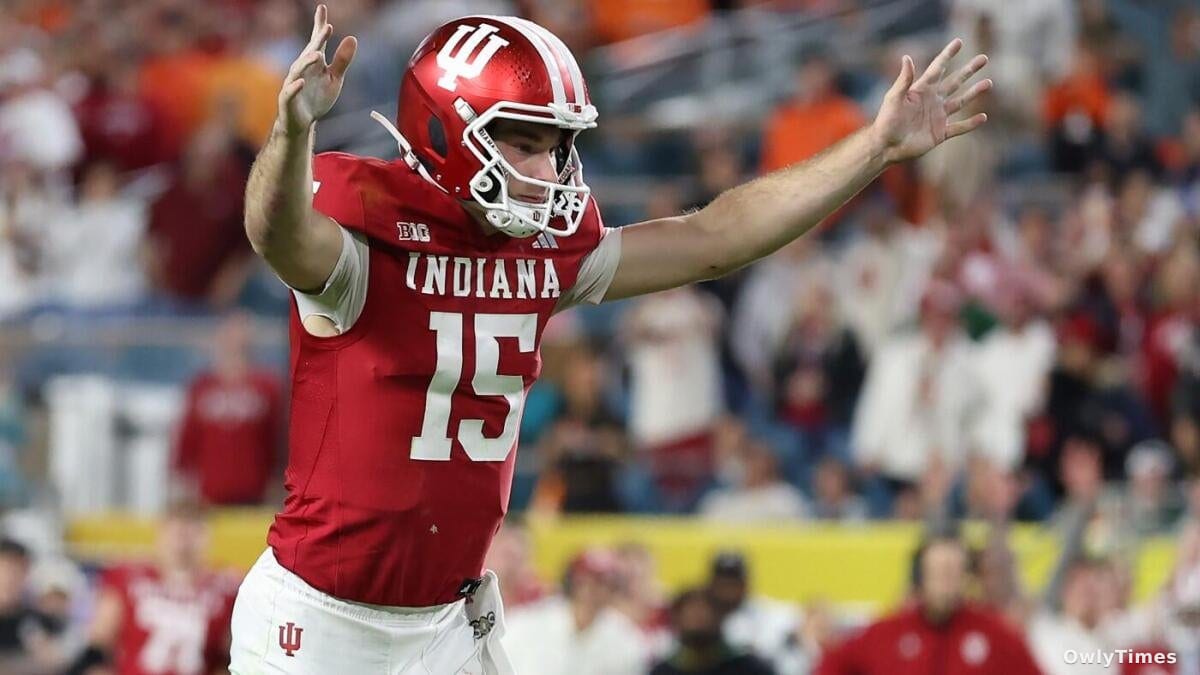
Let’s start with the most scrutinized position: quarterback. The names being floated – Fernando Mendoza (Indiana), Ty Simpson (Alabama), Garrett Nussmeier (LSU), Cade Klubnik (Clemson), and Drew Allar (Penn State) – lack the immediate, undeniable star power of recent top picks. Mendoza, surprisingly, is emerging as a potential top contender, with some analysts arguing his floor is higher than last year’s No. 1 overall pick, Caleb Williams. That’s not to say Mendoza is a sure thing, but his size, arm strength, and composure under pressure offer a compelling base. However, the fact that No. 3 on this list, Simpson, was benched last season speaks volumes about the depth – or lack thereof – at the position. Simpson’s potential is undeniable, but injuries and inconsistent performance raise legitimate concerns. In a weaker class, he’s still likely to go in the first round, a testament to the desperate need for quarterbacks across the league, but also a warning sign about the lowered bar for entry.
Original reporting: CBS Sports.
The running back situation is even more dire. Edwards bluntly states that only two running backs are projected to land in his top 100 prospects. Both hail from Notre Dame: Jeremiyah Love and Jadarian Price. Love, with his explosive playmaking ability, could even sneak into the top 10, mirroring the rise of Ashton Jeanty last year. But after those two, the well runs dry. The contrast with last year’s class, which produced 10 rookie starters or committee contributors, is staggering. This isn’t just about a lack of talent; it’s a reflection of the evolving NFL, where the running back position is increasingly devalued in favor of passing attacks. Teams are realizing that a reliable receiver is often a more impactful investment than a potentially fleeting star running back.
Interestingly, the wide receiver group offers a glimmer of hope. Jordyn Tyson (Arizona State), Carnell Tate (Ohio State), Omar Cooper Jr. (Indiana), Makai Lemon (USC), and KC Concepcion (Texas A&M) represent a diverse group with varying strengths. Tyson’s all-around ability is enticing, while Tate’s effortless ball skills are a rare commodity. Cooper’s YAC potential and Lemon’s toughness add valuable dimensions. Even Concepcion, despite his concerning drop rate, possesses the vertical threat that can stretch defenses. This is a position where teams can find value, even outside the first round, because the demand for playmakers remains consistently high.
The offensive line, particularly tackles, presents a fascinating dynamic. Kadyn Proctor (Alabama) stands out as a potential cornerstone, a physical outlier with exceptional balance. But even he isn’t a guaranteed success. The debate will center on potential versus polish, and teams will be forced to weigh the risks and rewards of drafting a player with immense upside but still needing significant development. The interior line, led by Francis Mauigoa (Miami), offers a similar blend of raw talent and projection. This draft class isn’t about finding finished products; it’s about identifying players with the tools and work ethic to become something special.
Beyond the headlines about positional scarcity, the 2026 draft exposes a deeper tension within the NFL scouting community. The emphasis on athletic testing and quantifiable metrics has arguably led to an overvaluation of potential and an undervaluation of fundamental skills and football IQ. This class, with its lack of obvious superstars, will force teams to re-evaluate their evaluation processes and prioritize traits that translate more reliably to NFL success. Will we see a return to valuing film study and character assessment over raw athleticism?
The question now isn’t just who will be drafted, but how teams will adapt their strategies to navigate this unprecedented landscape. Will we see more trades, as teams scramble to move up for the few players they truly believe in? Will we see a greater emphasis on free agency, as teams seek to fill immediate needs with proven veterans? And perhaps most importantly, will this draft class force a fundamental shift in how the NFL views player development, prioritizing long-term investment over short-term gains? The answers to these questions will shape the league for years to come.

