
The $30 Billion Risk Hidden in Oil’s Volatility
Brent crude’s 1.8% drop to $107.86 a barrel today isn’t a sign of easing tensions; it’s a reflection of market paralysis. The current volatility, as Daniela Hathorrn, senior market analyst at Capital.com, succinctly put it, stems from “the absence of a clear path forward.” But beneath the headline price swings lies a far more significant figure: roughly $30 billion in potential economic disruption, calculated from the daily flow of oil through the Strait of Hormuz and the escalating risk premium now embedded in crude futures. This isn’t simply about higher gasoline prices; it’s about a cascading effect rippling through global supply chains and forcing a reassessment of the Federal Reserve’s monetary policy.
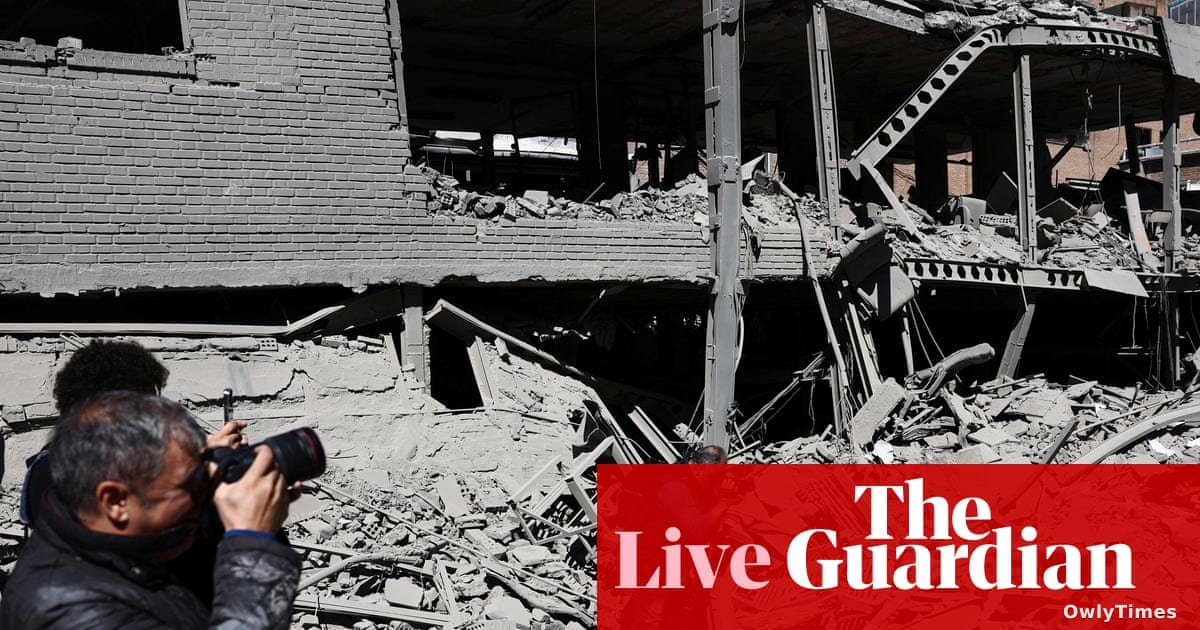
Drawn from The Guardian.
The core issue isn’t just the US-Iran conflict, but the strategic misalignment driving it. The US aims to stabilize energy flows, while Iran leverages disruption as a deterrent – a dynamic that inherently elevates escalation risk. This isn’t a new calculation; the market reacted similarly when Donald Trump first imposed trade tariffs last year, triggering a comparable investor retreat. However, the current situation is arguably more precarious, given the direct impact on a critical energy artery. The $30 billion figure represents a conservative estimate of the daily economic impact should the Strait of Hormuz be fully blocked, based on average daily oil flows of approximately 21 million barrels valued at current prices. This calculation doesn’t account for secondary effects like insurance rate hikes, rerouting costs, or the broader impact on petrochemical industries reliant on stable feedstock.
Investor sentiment is fracturing, evidenced by the Sentix investor morale index plummeting to -19.2 points – a level not seen since last April. This isn’t merely a reaction to geopolitical risk; it’s a recognition that stagflation, the toxic combination of slow growth and high inflation, is no longer a distant threat. The latest ISM services print confirmed this, showing weaker-than-expected activity alongside rising price pressures. This data point is crucial because it demonstrates the conflict’s tangible impact on real economic activity, not just financial markets. The eurozone’s composite PMI falling to 50.7 further reinforces this trend, signaling the slowest growth in nine months and echoing concerns raised by Chris Williamson, chief business economist at S&P Global Market Intelligence, about a potential contraction in the second quarter.
The market’s resilience in equities, despite these headwinds, is deceptive. While European stocks briefly turned positive, driven by speculation of a potential de-escalation, this appears largely driven by thin liquidity conditions around the Easter period rather than genuine optimism. Dan Coatsworth, head of markets at AJ Bell, correctly points out that energy markets are “strikingly” detached from the reality of ongoing tensions. This disconnect suggests a degree of complacency, particularly given the magnitude of the risks. The simultaneous approval of JPMorgan Chase’s new Canary Wharf tower and a takeover offer for Universal Music Group from Bill Ackman’s Pershing Square, while significant corporate events, are overshadowed by the overarching geopolitical uncertainty. These deals represent capital deployment, but they also highlight the potential for a rapid reassessment of risk if the situation deteriorates.
The UK economy is already feeling the strain. Construction activity has tumbled, and the services sector experienced its weakest rise in output for 11 months, according to S&P Global. This slowdown is directly linked to concerns about the war in the Middle East, impacting client confidence and investment decisions. The fact that new orders in the UK service sector are in decline for the first time since November underscores the severity of the situation. This isn’t an isolated incident; similar trends are emerging across Europe, as evidenced by the eurozone’s slowest growth in nine months. The looming CPI data, expected to show a pickup in headline inflation, will further complicate the Federal Reserve’s policy outlook, potentially delaying any plans for easing monetary policy.
What this means for your wallet: prepare for sustained price volatility, not just at the gas pump, but across a wide range of goods and services. The risk isn’t simply a temporary spike in energy prices; it’s the potential for a prolonged period of stagflation, eroding purchasing power and dampening economic growth. The key question investors and consumers should be watching is whether the current period of uneasy calm translates into a genuine de-escalation, or merely a prelude to a more disruptive phase of the conflict. Specifically, monitor the daily oil flow through the Strait of Hormuz – a sustained reduction below current levels will be a clear signal that the $30 billion risk is rapidly materializing.