
$90 Oil and a 85% Self-Sufficiency Rate: Why China Isn’t Panicking About Iran
$90 per barrel. That’s where oil prices settled after surging earlier this year, triggered by escalating tensions in the Middle East and attacks disrupting shipping in and around the Gulf. While headlines focus on potential global fallout, a closer look at the data reveals a surprisingly resilient position for China, a nation often portrayed as critically dependent on Middle Eastern oil. Despite record oil imports – 11.55 million barrels per day in 2025 – and 55% of those imports originating in the volatile Middle East, Beijing isn’t facing an energy crisis. Follow the money, and the story isn’t one of vulnerability, but of strategic diversification and a rapidly evolving energy mix.
The narrative of China’s dependence on Iranian oil, particularly as the U.S.-Israeli conflict with Iran intensifies, is largely a misdirection. While China receives over 10% of its global oil supply from Iran – approximately 1.38 million barrels per day in 2025, according to estimates from Kpler cited by Reuters and the South China Morning Post – the country is, in reality, 85% energy self-sufficient. This figure, confirmed by sources within China National Petroleum Corporation, fundamentally alters the risk calculation. It’s not a question of if disruptions will occur, but for how long they can be sustained without crippling the Chinese economy. Beijing has proactively built a buffer against short-term shocks, a strategy that’s now being tested.
Based on the original warontherocks.com report.
The key lies in understanding China’s broader energy portfolio. While approximately 70% of China’s crude oil consumption is imported, and 38% of that comes from the Middle East – encompassing Saudi Arabia (14.9%), Iran (13%), Iraq (11.2%), and others – oil constitutes only 18.2% of China’s total energy consumption. Coal remains dominant at 51.4%, and critically, “clean energy” sources – including renewables and nuclear – now account for over 30.4% of the energy mix, surpassing oil in 2024. This shift, documented by the National Bureau of Statistics, dramatically reduces the proportional impact of Middle Eastern oil disruptions. The assumption that a crisis in the region equates to a crisis for China overlooks this fundamental structural change.
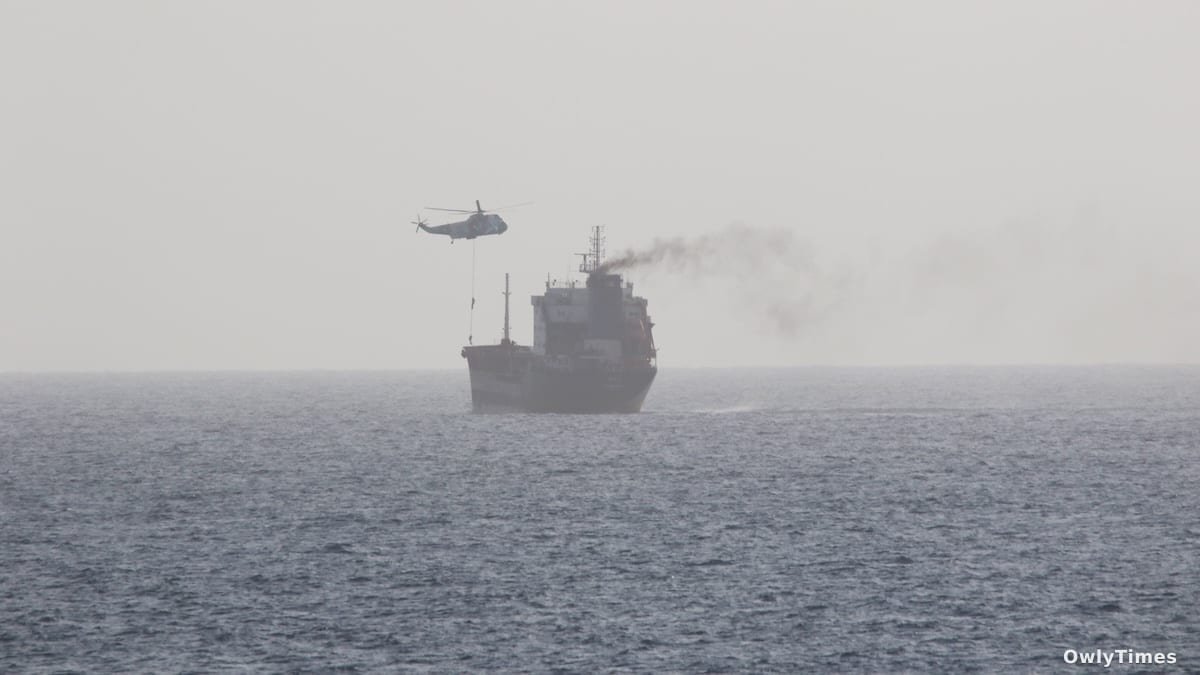
However, dismissing the impact entirely would be a mistake. The closure of the Strait of Hormuz, a critical chokepoint for the majority of Middle Eastern oil destined for China, remains a significant concern. Sixteen confirmed attacks on ships in the Gulf as of March 15th have already effectively curtailed oil flow. Prolonged disruption – beyond three months – would pose a “serious test” to China’s long-held assumptions about manageable supply shocks. The reliance on oil for sectors like jet fuel, shipping, and petrochemicals, despite the growth of electrification, means demand won’t disappear overnight. Furthermore, China’s increasing demand for petrochemicals, driven by technological advancement, ensures oil will remain a vital component of future economic growth.
Beijing’s strategy isn’t simply about diversifying sources of oil, but also about reducing overall dependence. Russia now accounts for 17.4% of China’s oil imports, surpassing Saudi Arabia’s 14.9%, a deliberate move to avoid any single nation controlling more than 15% of its supply – a policy consistently maintained by Chinese analysts. This diversification, coupled with the ongoing electrification of the economy, is a calculated effort to insulate China from geopolitical pressures. Yun Sun, Director of the China Program at the Stimson Center, highlights this proactive approach, noting China’s consistent denial of the need for a military presence in the region, predicated on the improbability of a complete energy cutoff.
The current situation isn’t about China being “energy insecure,” but about testing a core assumption: that a major Middle Eastern conflict is unsustainable and will ultimately force all parties – including the United States – to seek a negotiated resolution. China’s dispatch of Special Envoy Zhai Jun for shuttle diplomacy signals a willingness to facilitate a ceasefire and restore oil flows. The real question isn’t whether China can withstand a disruption, but whether its long-held belief in the inevitability of de-escalation will hold true.
What this means for your wallet: Watch for a potential shift in China’s diplomatic posture if the Strait of Hormuz remains closed beyond the three-month threshold. A more assertive role in brokering a ceasefire, potentially aligning with both oil producers and consumers, could signal a reassessment of Beijing’s risk calculations and a willingness to exert greater pressure on Washington. The longevity of $90+ oil may hinge not just on the conflict itself, but on whether China’s gamble on a swift resolution pays off.