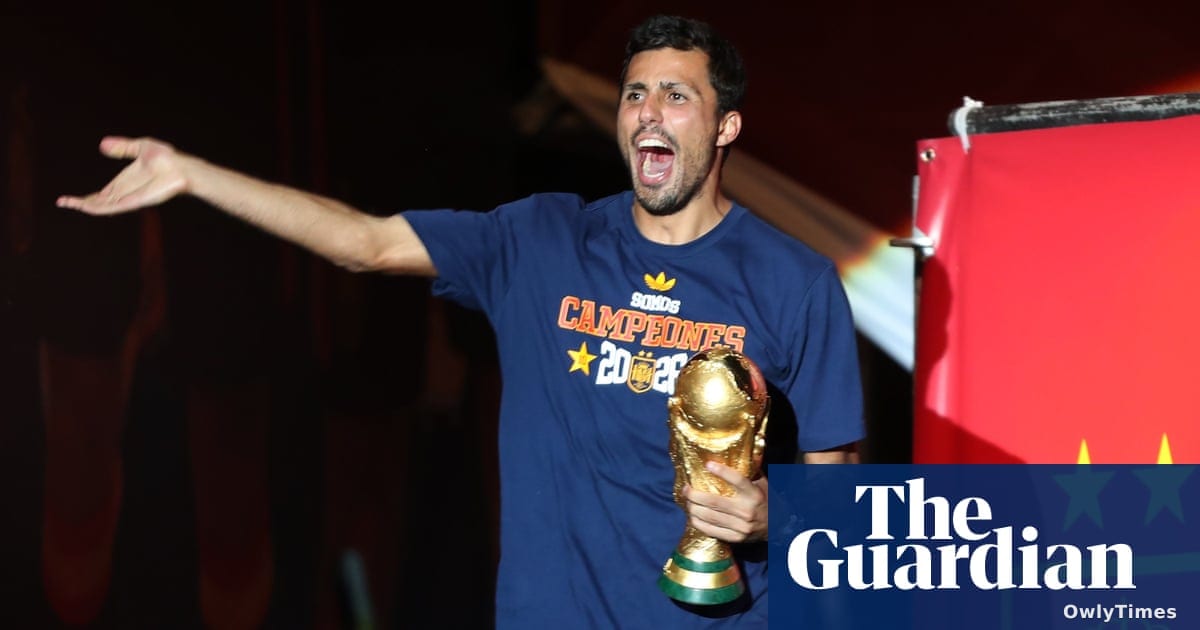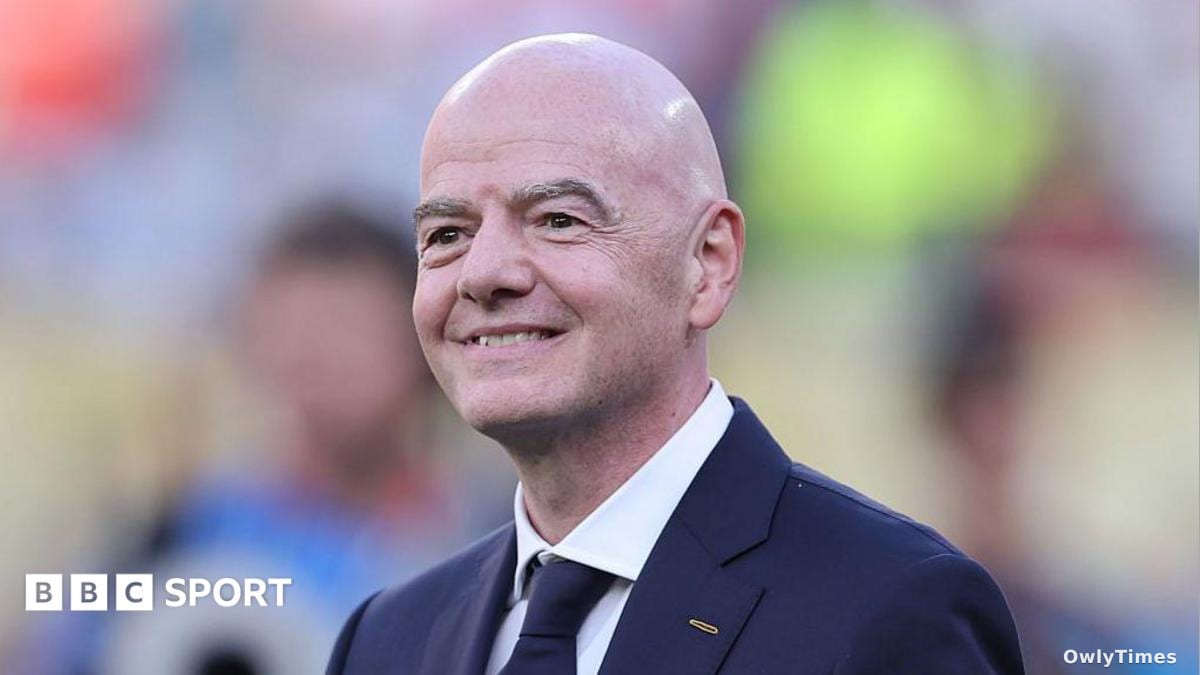

The final whistle has blown on the 2026 World Cup, but for Gianni Infantino, the match is far from over. In a 15-slide Instagram manifesto that has sent shockwaves through the sporting world, the 56-year-old FIFA president abandoned the usual diplomatic pleasantries, instead telling his critics to "meditate, pray or watch a football match" rather than continue "spreading hate and false rumours." This extraordinary public outburst serves as a stark reminder that even as the confetti settles on Spain’s tournament victory, the friction between FIFA’s leadership and its global detractors remains as volatile as ever.
Beyond the headlines of the final score, Infantino’s letter represents a desperate bid to reframe the narrative of a tournament that was, by many accounts, a logistical and political minefield. While he claimed the event delivered "100% safety and security," the reality on the ground told a more complicated story. The BBC notes that the tournament was marred by arrests at multiple matches, including an incident following the England-Argentina semi-final in Atlanta, and reports of racist abuse directed at social media influencer IShowSpeed. Furthermore, Al Jazeera reports that FIFA is currently investigating a chaotic on-pitch altercation between Argentina and Spain players that occurred during the tournament final in New Jersey.
The tension surrounding the event was exacerbated by a series of visa-related controversies that highlighted the clash between sports and geopolitics. Both The BBC and The Guardian confirm that Somali referee Omar Artan was denied entry to the United States despite holding a diplomatic passport and a valid visa, with reports citing concerns over his alleged associations. Similarly, the Iranian national team faced significant hardship, including a forced relocation of their training base from Tucson, Arizona, to Tijuana, Mexico, and travel restrictions that led head coach Amir Ghalenoei to label his squad the "most oppressed" team in the competition. Infantino, however, dismissed these concerns as minor, insisting that Iran’s entry into the U.S. was a victory for peace.
Perhaps the most significant flashpoint was the intervention of U.S. President Donald Trump in the disciplinary case of American striker Folarin Balogun. After Balogun was granted a suspension of his automatic one-match ban following a red card, the reaction from the football establishment was swift and scathing. The BBC reports that UEFA labeled the decision "unprecedented, incomprehensible, and unjustifiable," while the Norwegian Football Federation has signaled it may file a formal complaint with FIFA’s ethics committee. Infantino deflected this criticism by arguing that such disciplinary leniency is "routine and widely accepted" in major leagues, a claim that underscores the growing cultural divide between FIFA’s administrative style and the expectations of its member federations.
This moment matters because it crystallizes the current state of international sports governance: a push-and-pull between the spectacle of "the beautiful game" and the harsh realities of state-level politics. As Infantino pivots from his high-profile Qatari tenure to this turbulent North American chapter, his aggressive posture toward the press and human rights organizations—such as the recent complaint lodged by FairSquare regarding his public support for the U.S. President—suggests a leader who is increasingly isolated from his critics. With the International Olympic Committee having already declined to intervene in the FairSquare matter, citing a lack of jurisdiction, the power dynamics within football remain firmly in the hands of those who hold the whistle. For the industry at large, the question remains whether football can continue to claim it transcends politics when its own president is so deeply entrenched in the fray.