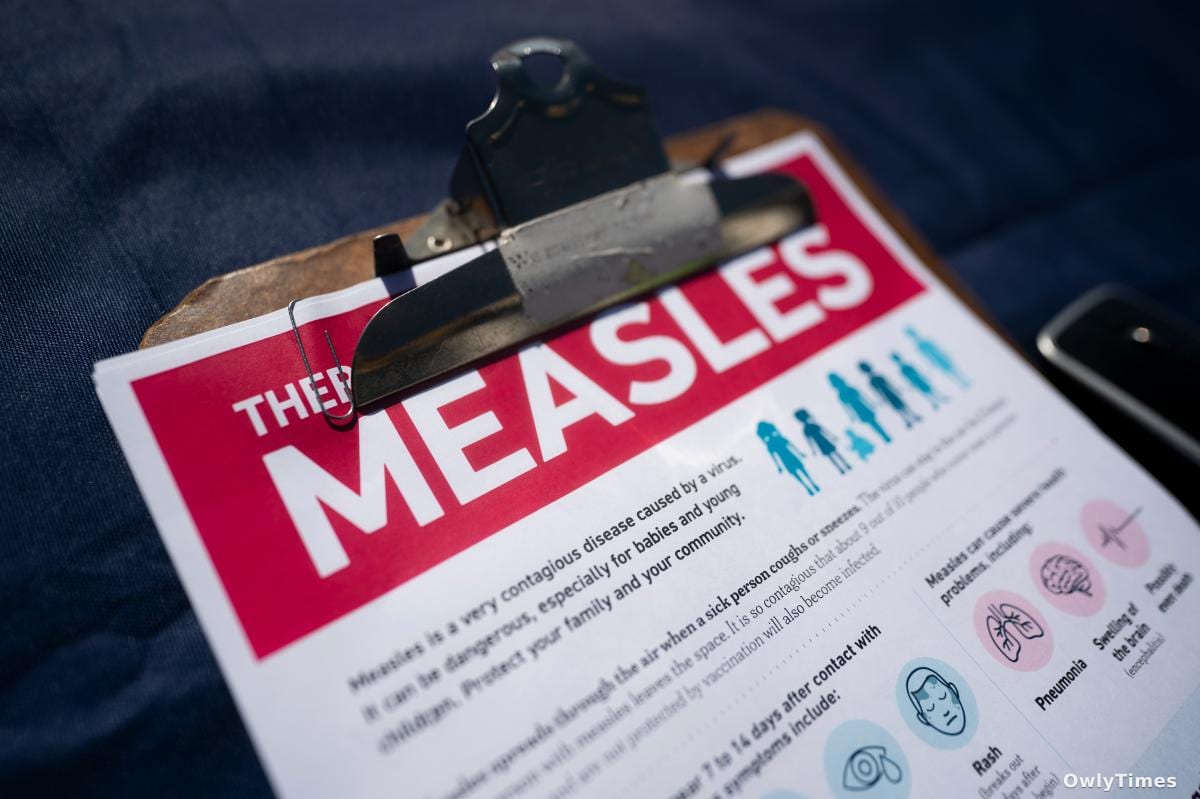

In public health, a critical question often arises: how effectively are we maintaining the collective immunity that protects our communities from highly contagious, yet preventable, diseases? Recent developments in Nassau County offer a stark illustration of this challenge, bringing a once-rare illness back into the local spotlight and prompting renewed calls for vaccination. These isolated incidents, while not yet a widespread crisis, serve as a potent reminder of the delicate balance in public health defenses.
The immediate alarm, often amplified by headlines, focuses on the confirmed cases and potential exposures. What the underlying public health data reveals, however, is a more nuanced story of declining vaccination rates that precede and enable such outbreaks. Nassau County health officials recently issued a public warning following the confirmation of two measles cases within days, signaling a concerning return of the virus to the region. The first case involved an unvaccinated child under the age of 5, marking Nassau’s first confirmed measles case since 2024. Days later, a New York City resident, also infected, potentially exposed diners at 388, an upscale Italian restaurant in Roslyn Heights, on May 3 between 7:15 p.m. and 10:30 p.m. This situation underscores how quickly a highly infectious disease can spread within a community when protective barriers weaken.
The Local Resurgence Amidst Broader Trends
These specific instances in Nassau County are not anomalies but rather localized manifestations of a broader, national trend. The Associated Press has reported that childhood measles vaccination rates nationwide have fallen below the 95% threshold considered necessary to prevent outbreaks and maintain herd immunity. This benchmark is crucial because measles is extraordinarily contagious, with an infected person capable of spreading it to 9 out of 10 unvaccinated close contacts. The fact that Nassau’s first case since March 2024 involved an unvaccinated child directly reflects the vulnerability created by these lower rates. Neighboring Suffolk County last reported a case in March 2025, indicating that this re-emergence is not unique to one area.
Understanding Measles: The Science of Contagion and Complications
The public health warnings issued are rooted in the serious nature of measles itself. Nassau County Commissioner of Health Dr. Irina Gelman emphasized the gravity of the situation, stating, “Measles can cause serious illness, with complications that may include pneumonia, encephalitis, and often results in hospitalization and sometimes death.” This severe prognosis explains the urgency behind public health alerts. The virus spreads through airborne droplets from coughing and sneezing, meaning even brief exposure in a shared space like a restaurant can pose a risk. Statewide, the New York State Department of Health has reported at least 10 cases so far in 2026, although it was unclear whether this figure included the recent Nassau cases as of Sunday. For context, in 2025, there were 20 confirmed cases in New York City and 28 across the rest of New York State, totaling 48 cases. These numbers, while seemingly small, represent a significant increase for a disease that was once nearly eradicated in the U.S.
The Critical Role of Community Immunity and Its Erosion
The cornerstone of measles prevention is herd immunity, where a high percentage of the population is vaccinated, making it difficult for the virus to spread. The 95% vaccination threshold is not an arbitrary number; it is scientifically determined to protect those who cannot be vaccinated, such as infants or individuals with compromised immune systems. The data from 2025 is particularly concerning: only 82% of Nassau children between 24 and 35 months had received their first measles vaccine, with Suffolk County showing roughly similar rates, according to state health data. This shortfall of 13 percentage points from the target creates significant pockets of vulnerability. The tension here is clear: while a safe and effective vaccine exists, declining uptake creates conditions ripe for outbreaks of a disease that causes severe illness and can lead to tragic outcomes.
Limitations to Consider and Future Outlook
While two confirmed cases and a public health alert in Nassau County are serious, it is important to contextualize them. This is not yet a widespread epidemic, but rather a critical warning signal. The precise number of statewide cases for 2026 is still being clarified by the New York State Department of Health, and the vaccination status of all individuals potentially exposed at the restaurant is unknown, complicating the immediate risk assessment. However, these incidents highlight a systemic vulnerability in our public health infrastructure due to persistent under-vaccination.
The next research steps are clear and pressing. Epidemiological surveillance must continue diligently to track case numbers and identify exposure chains. Crucially, further research is needed to understand the specific drivers of vaccine hesitancy in communities like Nassau and Suffolk counties, moving beyond broad generalizations to localized factors. Developing and implementing targeted, empathetic public health communication strategies that address these specific concerns will be vital. These efforts matter because they are essential to rebuilding the community immunity necessary to prevent further, potentially larger, outbreaks and protect the most vulnerable among us. Continued monitoring of local vaccination rates and the clarity provided by the New York State Department of Health regarding 2026 case figures will be key indicators of whether current public health responses are effectively reversing this concerning trend, as reported by the New York Post report. For more information on measles and vaccination, consult resources from the Centers for Disease Control and Prevention and the New York State Department of Health website.





