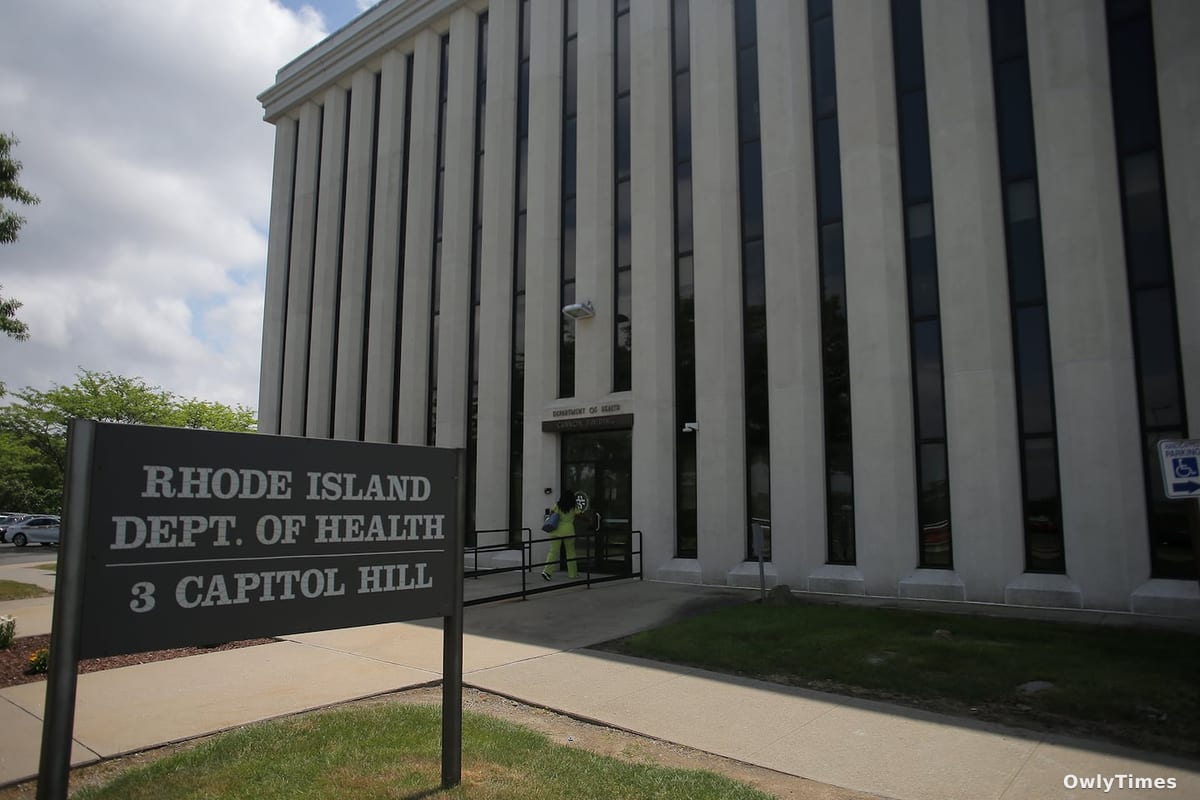

The recent identification of a measles case in Providence County forces a re-examination of how highly mobile, international travel patterns intersect with localized public health surveillance. When the Rhode Island Department of Health (RIDOH) confirmed the state’s first case of 2026, the clinical reality was clear: a man in his 40s had returned from international travel on April 13, only to seek care at the Atmed Treatment Center two days later. While headlines often focus on the alarm of a "resurged" disease, the scientific reality is that measles remains a highly predictable, albeit volatile, pathogen that exploits gaps in population immunity rather than emerging spontaneously.
The Geography of Potential Exposure
Public health containment relies on the precise mapping of an infectious individual's movements, a methodology that is currently playing out across specific sites in Providence. Beyond the clinical setting, the department identified Panadería El Quetzal, located at 445 Hartford Ave., as a site of potential exposure on April 15 between 4:30 p.m. and 6:30 p.m. By isolating these specific windows of time and location, RIDOH is attempting to break the chain of transmission before secondary cases can emerge. This targeted tracing is essential because measles, which survives in nose and throat mucus, can remain suspended in the air for significant periods after an infected person has left a room.
Distinguishing Clinical Reality from Public Alarm
It is vital to distinguish between the clinical severity of the disease and the administrative response. While the World Health Organization notes that measles can be fatal due to secondary complications like pneumonia or seizures, the medical reality for the average patient is that there is no specific antiviral therapy. Treatment remains focused on supportive care—managing fevers and preventing bacterial superinfections. The headline-grabbing nature of a measles case often obscures the fact that this is the Ocean State’s first instance since January 2025, a period that marked the end of a decade-long absence of the virus in the region.
Limitations to Consider in Containment
The effectiveness of the current response is heavily dependent on the vaccination status of the surrounding community. With 97% of kindergarteners in Rhode Island reportedly vaccinated, the state maintains a high baseline of herd immunity, which serves as the most effective barrier against widespread transmission. However, a limitation in this containment strategy is the reliance on voluntary disclosure and public awareness; officials have been forced to coordinate with the US Centers for Disease Control and Prevention’s Division of Global Migration Health to track passengers on the man's flight, acknowledging that the initial point of contact in the community is often impossible to fully secure. The efficacy of these measures hinges on the speed at which potentially exposed individuals identify symptoms—such as the characteristic rash and white spots in the mouth—that typically appear seven to 21 days after exposure.
Next Steps for Public Health Monitoring
The trajectory of this incident will be measured by the emergence of any secondary cases within the identified incubation window. Dr. Jerry Larkin, the state’s director of health, has emphasized that the virus is "almost entirely preventable," and the next meaningful indicator of success will be the volume of people who come forward for vaccination or consultation following the exposure alerts. Until the full incubation period has passed for all individuals identified at the bakery and the treatment center, the department will continue its outreach to ensure those who lack two doses of the Measles, Mumps, and Rubella (MMR) vaccine are protected. The state’s ability to prevent a broader outbreak will ultimately depend on whether the remaining three percent of the pediatric population and other vulnerable adults choose to utilize the no-cost vaccine programs now being prioritized by RIDOH.





