
Is our high-tech approach to disaster management finally hitting a physical wall that no amount of coordination can overcome? The real story here isn’t just the tragic loss of life in the West—it’s the terrifying realization that our fire-suppression infrastructure is being outpaced by a climate that no longer plays by historical rules.
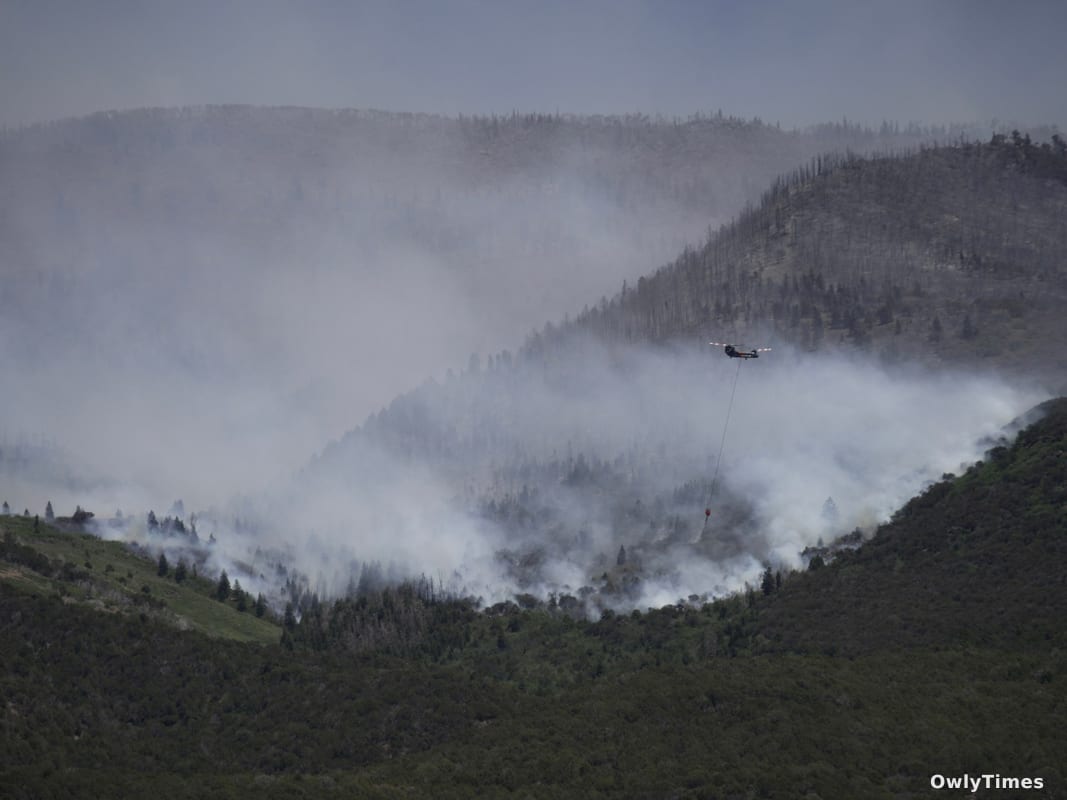
Three firefighters were killed and two others injured on Saturday while battling blazes along the Colorado-Utah border, according to Al Jazeera. The crew members, part of a federal interagency response, were caught in a "burnover incident"—a nightmare scenario where rapid fire movement cuts off escape routes, forcing personnel to deploy emergency shelter tents, as reported by NPR. The BBC confirms the victims were part of a team assigned to the Knowles and Gore fires, which have since merged into the larger Snyder Fire.
When Algorithms Meet Extreme Physics
Think of the U.S. firefighting response as a complex software patch designed to manage risk. The U.S. Wildland Fire Service was created just this year to act as the "operating system" for streamlining efforts across public lands, but it is currently struggling to run on broken hardware. While the agency aims for efficiency, the environmental conditions—single-digit humidity and wind gusts hitting 45 miles per hour—are creating fire behaviors that render traditional tactical maneuvers obsolete, according to NPR.
The data disparity highlights the sheer scale of the crisis. While Al Jazeera reports that nearly three million acres have burned nationwide since the start of the year, the localized impact is even more jarring. The Cottonwood Fire in Utah is currently the largest in the U.S., with NPR citing its size at over 144 square miles, while the BBC reports a figure of over 93,000 acres—a discrepancy likely stemming from the rapid, uncontained spread of the blaze.
The Cost of Ignoring the Baseline
For the average user, these headlines often feel like distant background noise. However, the tech impact here is immediate: safety shut-offs are already being triggered. Arizona utility providers cut power to parts of the state on Saturday to mitigate fire risk, a move mirrored by the legislative "shut-off" initiated by governors Al Jazeera. Utah Governor Spencer Cox and Colorado Governor Jared Polis have both declared state emergencies, with Cox going as far as banning fireworks ahead of the July 4th holiday to prevent further ignition sources.
The National Weather Service in Salt Lake City took the unprecedented step of issuing a "particularly dangerous situation" red flag warning, a designation never used in its history, according to NPR. This isn't just "bad weather"; it is a systemic failure of our ecological baseline. The region’s record-low snowpack, which peaked three weeks earlier than normal, acted like a giant sponge being wrung dry, leaving vegetation primed for disaster.
What Comes Next
We are moving toward a future where "fire season" is no longer a seasonal event but a permanent operational reality. The immediate signal to watch is the weather shift expected this Wednesday, when a record heatwave currently hitting Europe is forecast to move into the eastern United States, potentially expanding the geographic footprint of these volatile conditions, per Al Jazeera. Expect the debate over fire-suppression technology to shift from "better management" to "managed retreat" as the sheer intensity of these fires continues to exceed the capacity of ground crews.