
Is it time to stop treating our infrastructure like a permanent fixture and start viewing it as a perishable good? As Europe buckles under a record-shattering heatwave, the image of a continent running on outdated, rigid hardware in a high-heat software environment is becoming impossible to ignore.
The real story here isn’t just the thermometer readings — it’s that our 20th-century systems are failing to interface with a 21st-century climate. According to the BBC, the French nuclear plant at Golfech was forced to shut down because the river water used for cooling hit 28C, the legal limit for thermal discharge. Similarly, the Guardian reports that France recorded its hottest day since records began, with temperatures reaching 44.3C in Pissos.
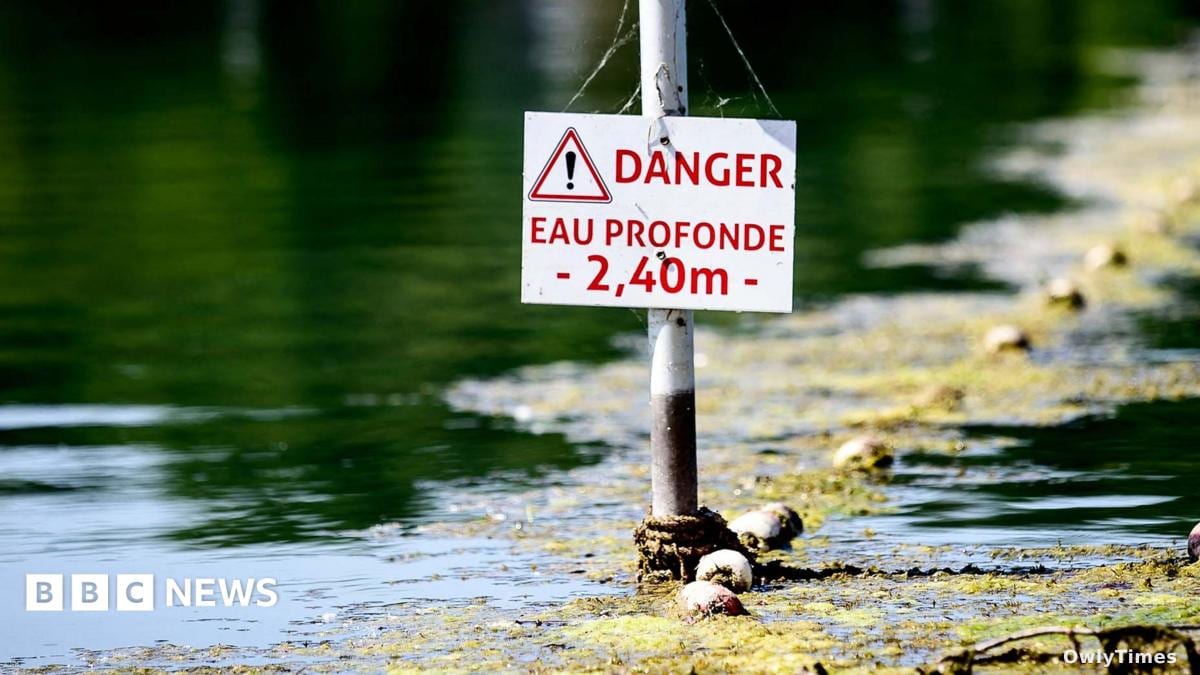
The societal impact is a cascade of system errors. In Paris, the Eiffel Tower cut its visiting hours short, and the Louvre moved up its daily closure time to 16:00, citing a building that is “not sufficiently adapted to climate change,” according to the BBC. Meanwhile, CBS News notes that 40 people have drowned in France in the last week, a tragic surge as residents sought relief in unsupervised waters. French Prime Minister Sébastien Lecornu and Sports Minister Marina Ferrari have explicitly warned against this desperate scramble for cooling, highlighting the deadly mismatch between public behavior and safety infrastructure.
The disruption is crossing borders, revealing how interconnected and fragile these regional networks truly are. In the UK, the Met Office has issued a red extreme heat warning, leading to widespread school closures and rail cancellations. While the Guardian details specific closure figures—such as 100 schools in Somerset and 90 in Oxfordshire—the BBC notes that France has taken more aggressive administrative action, closing 1,800 schools and shortening hours for another 8,000.
The data highlights a glaring gap in readiness. CBS News reports that France placed 54 departments under a red heat alert, a figure that the BBC notes was extended to 58 on Wednesday. This isn't just a temporary glitch; it is a systemic vulnerability. As Daniel Kebede of the National Education Union argued to the Guardian, Victorian-era school buildings have essentially become greenhouses, requiring massive capital investment to retrofit for a future that is already here.
We are currently witnessing a stress test of European logistics. The trigger for the next phase of this crisis is the upcoming weekend; while Spanish forecasters expect a slight dip in temperatures by Wednesday, the BBC notes that Germany, the Netherlands, and Belgium are bracing for their peak heat on Friday. Expect to see further "system shutdowns" as public transport and aging power grids struggle to remain operational under these extreme thermal loads.