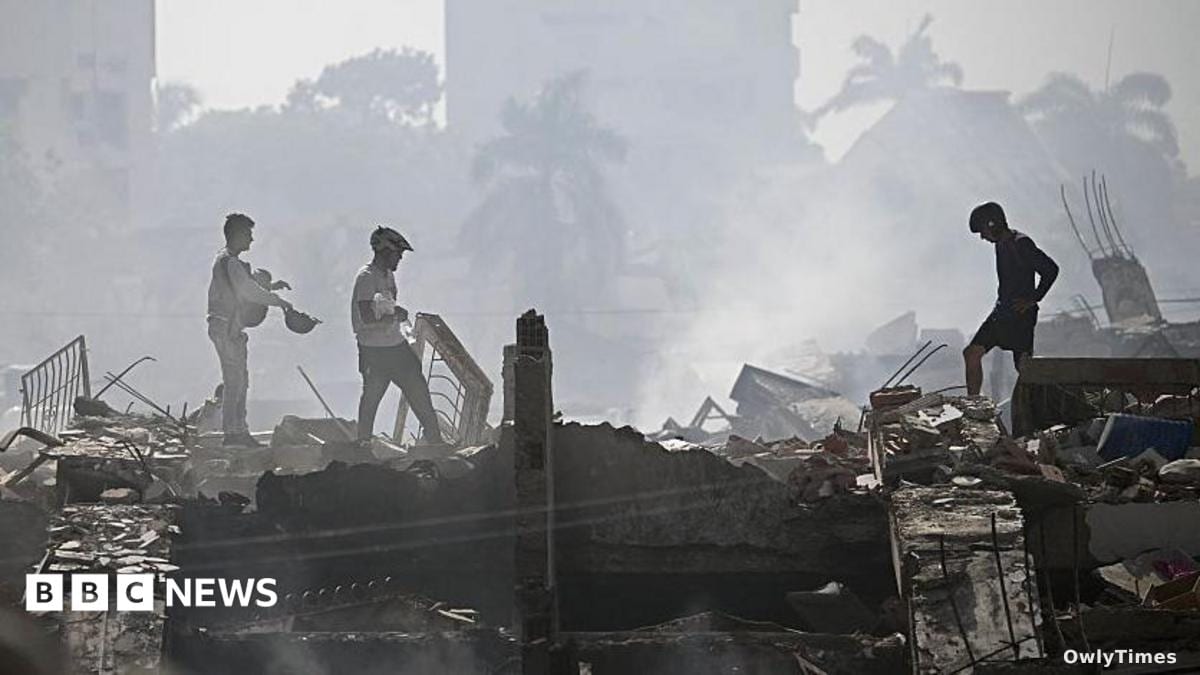

When a geological event unfolds with the intensity of the twin earthquakes that struck Venezuela this week, the immediate human toll often dominates the narrative. Yet, for those analyzing the structural integrity of the region, the scientific question at hand is not just about the magnitude, but the mechanics of why these specific quakes proved so catastrophic. On Wednesday, at 18:04 local time, Venezuela experienced a 7.2-magnitude tremor followed seconds later by a 7.5-magnitude shock. Both events were shallow, with the first centered 20.3km below the surface and the second at a depth of just 10km, according to the US Geological Survey (USGS). This proximity to the surface meant the energy release did not have the buffer of deeper crustal layers, translating into the severe destruction seen across Caracas and the coastal state of La Guaira.
While headlines have focused on the heart-wrenching search for survivors, it is vital to distinguish between the raw data of the seismic event and the societal conditions that compounded the tragedy. The USGS noted that Venezuela sits at the meeting point of two tectonic plates, and the release of friction between them is a known risk. However, the destruction of at least 250 buildings—including a 10-storey hotel in La Guaira—is a function of both the quake’s depth and the existing state of local infrastructure. Reports from the region indicate that the economic crisis has left public services and hospitals in a compromised state, potentially limiting the initial domestic capacity to respond to the 4,300 reported injuries.
The statistical modeling provided by the USGS serves as a sobering analytical tool, though it is often misinterpreted by the public. The agency estimated a 42% probability of a death toll exceeding 10,000 and a 33% chance of exceeding 100,000. These are not predictions; they are risk assessments based on population density, historical data from similar quakes, and building quality. The fact that the disaster occurred on a national holiday, keeping more residents in their homes, likely increased the number of people caught in the collapse of residential structures, a variable that complicates early casualty estimates.
Limitations to consider in the ongoing relief efforts include the logistical bottlenecks caused by the closure of the Simón Bolívar International Airport in Maiquetía and the persistent power and internet outages noted by local journalists. While the international community, including the US with its $150 million aid pledge, is mobilizing transport ships and aircraft, the "golden 72 hours" for search and rescue are being severely tested by these infrastructure failures. Furthermore, the presence of 30 recorded aftershocks, as reported by interim President Delcy Rodríguez, adds a layer of danger for both survivors and the international teams arriving from nations like Switzerland, Mexico, and Colombia.
The path forward for Venezuela will be defined by the transition from urgent search and rescue to long-term structural recovery. The government’s announcement of a $200 million reconstruction fund represents a significant fiscal commitment, yet its efficacy will depend on the integration of international technical expertise with local rebuilding efforts. The next readings of casualty reports and the success rate of international search-and-rescue teams in the La Guaira region will serve as the primary indicators of whether the initial emergency response is successfully mitigating the potential for a larger, secondary humanitarian crisis. Until the rubble is cleared, the true scale of the devastation remains, unfortunately, a moving target.