
The Unexpected Echoes of Aging: When Grandmothers and Daughters Share a Body’s Story
The question of how we age – not just chronologically, but functionally, emotionally – is a central preoccupation of modern medicine. We pour resources into extending lifespan, often overlooking the equally vital question of how to maintain quality of life as time passes. But what if the answers to this complex question weren’t solely found in labs or clinical trials, but in the quiet observations of intergenerational relationships? A recent piece by Kristina Kasparian highlights a poignant and surprisingly common phenomenon: the striking overlap in health challenges experienced by women across vast age gaps, and the unexpected strength forged through shared vulnerability.
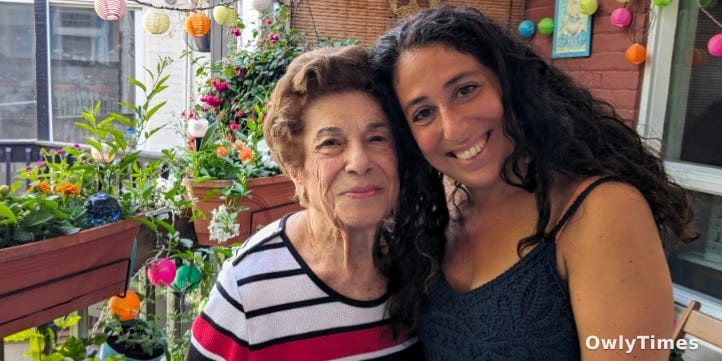
Kasparian’s essay centers on her relationship with her 95-year-old grandmother, Neni, a “superager” who, despite experiencing fatigue, hip pain, insomnia, and ankle swelling, remains fiercely independent and actively engaged in life. What’s particularly compelling is Kasparian’s realization that she, at 40, is experiencing many of the same ailments. This isn’t merely anecdotal; Kasparian notes they share a history of hysterectomies, anemia stemming from marrow issues rather than menstruation, and a shared genetic predisposition to cancer and immune dysfunction. The headline might suggest a simple story of familial resemblance, but the deeper narrative is about the unsettling mirroring of bodily decline and the emotional labor of adapting to chronic illness, a burden often shouldered in silence.
Based on the original Business Insider report.
Why Memphis Manufacturers Are Watching Closely
While the essay doesn’t present quantifiable data, its resonance stems from tapping into a growing awareness within the medical community. The concept of “accelerated aging,” where individuals experience age-related decline earlier than expected, is gaining traction. This isn’t necessarily about genetics alone; lifestyle factors, environmental exposures, and even socioeconomic stressors can contribute. Kasparian’s experience, and the shared struggles with fatigue and mobility she and Neni describe, speak to the cumulative impact of these factors. The fact that Kasparian, despite being decades younger, finds herself confronting similar physical limitations as her grandmother underscores the potential for these challenges to emerge earlier than previously anticipated, a trend that could significantly impact healthcare systems and workforce participation in the coming decades.
Limitations to Consider
It’s crucial to acknowledge the limitations of this account. Kasparian’s piece is a personal reflection, not a formal scientific study. The shared health issues between her and Neni could be attributed to a complex interplay of genetics, shared environmental factors, and lifestyle choices within their family. While the observation of similar ailments is striking, it doesn’t establish a causal link or demonstrate the prevalence of this phenomenon across broader populations. Furthermore, the essay focuses on a specific subset of women – those with a history of hysterectomies, anemia, and genetic predispositions – which may not be representative of the general female population. The narrative also leans heavily on subjective experiences like fatigue and anxiety, which are difficult to quantify and compare objectively.
The Next Chapter: Understanding the Biology of Shared Decline
The most compelling aspect of Kasparian’s story isn’t just the shared ailments, but the emotional support and understanding that has blossomed from this unexpected connection. This highlights a critical area for future research: how intergenerational relationships can buffer against the psychological toll of chronic illness and aging. Moving forward, researchers should explore the biological mechanisms underlying these shared health trajectories. Are there specific epigenetic markers or microbiome patterns that are passed down through generations, contributing to accelerated aging? Longitudinal studies tracking families across multiple generations, incorporating both genetic and lifestyle data, would be invaluable. Furthermore, investigating the role of social support and intergenerational communication in mitigating the negative impacts of aging and chronic illness could lead to interventions that promote both physical and emotional well-being.
The question now isn’t just if we will experience age-related decline, but how we will navigate it, and whether the wisdom and resilience of our elders can offer a roadmap for a healthier, more connected future. Will we see a shift in healthcare practices to prioritize intergenerational health assessments, identifying potential risks early and fostering supportive relationships between younger and older generations?