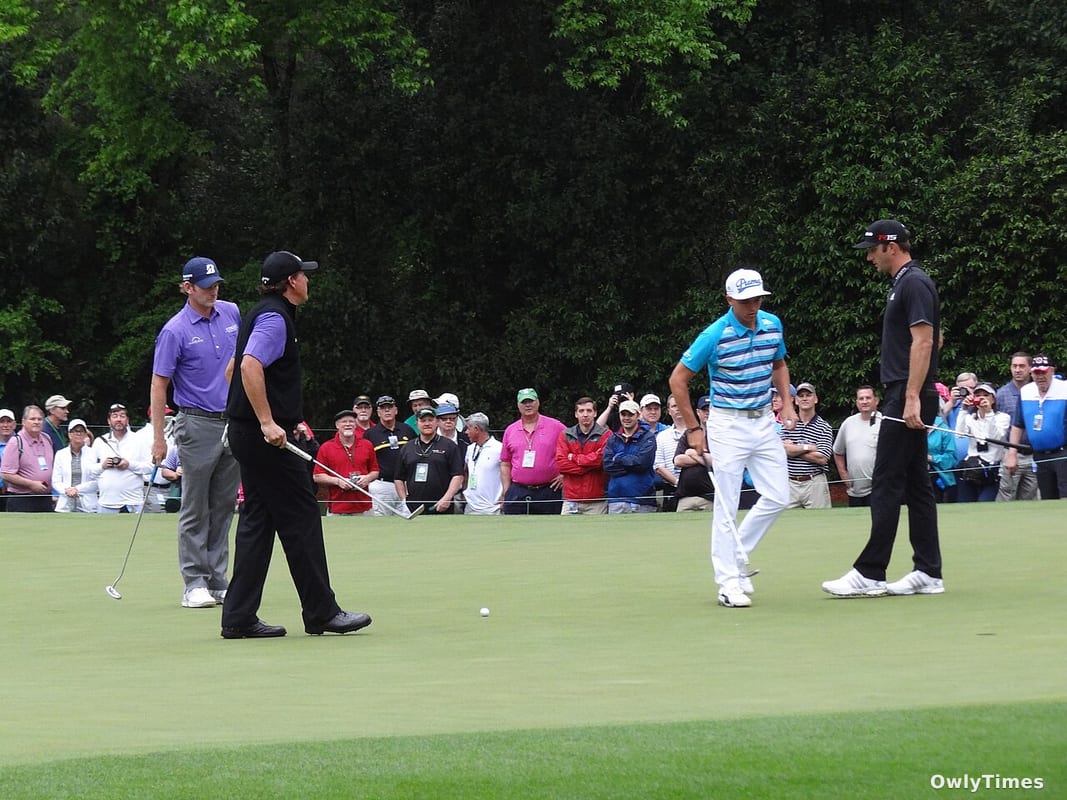

The absence of a familiar face at Augusta National is becoming a defining characteristic of this era in golf, but the reasons are shifting in a way that demands closer attention. While narratives have focused on the rivalry and eventual parallel declines of Tiger Woods and Phil Mickelson, the current situation – both players absent from the 2026 Masters – isn’t simply about aging athletes. It’s a convergence of personal health challenges and a sport grappling with its own evolving landscape, and the details surrounding Mickelson’s withdrawal reveal a pattern of prioritizing family needs that’s often obscured by the spectacle of professional sports. The announcement, released by Mickelson himself, cites a “personal health matter” within his family, prompting an “extended period of time” away from the course, including missing the upcoming Masters Tournament.
This isn’t a sudden development, but a continuation of a trend already visible this season. Mickelson, 55, has participated in only one LIV event this year, finishing tied for 48th in South Africa last month. Earlier in the year, he publicly stated on X (formerly Twitter) that he and his wife, Amy Mickelson, needed to be “present for a family health matter,” forcing him to withdraw from the first two LIV events. What’s crucial to understand is that the initial headlines – and even the phrasing of Mickelson’s own statements – emphasize absence from golf. However, the underlying message is about presence elsewhere: a deliberate choice to prioritize family wellbeing over professional commitments. This is a subtle but significant distinction, one that challenges the conventional narrative of athlete dedication.
Source material: Yahoo Sports.
The timing of this announcement, coupled with Woods’ own withdrawal following a recent arrest and commitment to treatment, is historically noteworthy. It marks the first time since 1994 that the Masters will be held without either Mickelson or Woods in the field. This isn’t merely a statistical quirk; it symbolizes a changing of the guard, but also a shift in the priorities influencing who participates at the highest level. For decades, the Masters has been synonymous with these two figures, their presence almost assumed. Their simultaneous absence forces a reckoning with the realities of life beyond the green, and the increasing willingness of prominent athletes to acknowledge personal struggles.
It’s important to acknowledge the limitations to consider when interpreting this situation. Mickelson has been deliberately vague about the nature of the “personal health matter,” and respecting the family’s privacy is paramount. This lack of specificity inevitably leads to speculation, but drawing firm conclusions without concrete information would be irresponsible. Furthermore, the context of Mickelson’s move to LIV Golf adds another layer of complexity. While his statement focuses on family, his reduced participation in LIV events could also be interpreted through the lens of adjusting to a less demanding tour schedule, allowing for greater flexibility to address personal needs. It’s likely a combination of factors, and disentangling them is currently impossible.
Looking ahead, the key question isn’t simply when Mickelson will return to competitive golf, but how his experience will influence the broader conversation around athlete wellbeing. Will this encourage other players to openly address personal challenges, or will the pressure to maintain a flawless public image remain too strong? More importantly, will governing bodies and sponsors begin to proactively support athletes in prioritizing their health and family life, rather than solely focusing on performance? The coming months will reveal whether Mickelson’s decision is an isolated incident or the beginning of a much-needed shift in the culture of professional golf.





