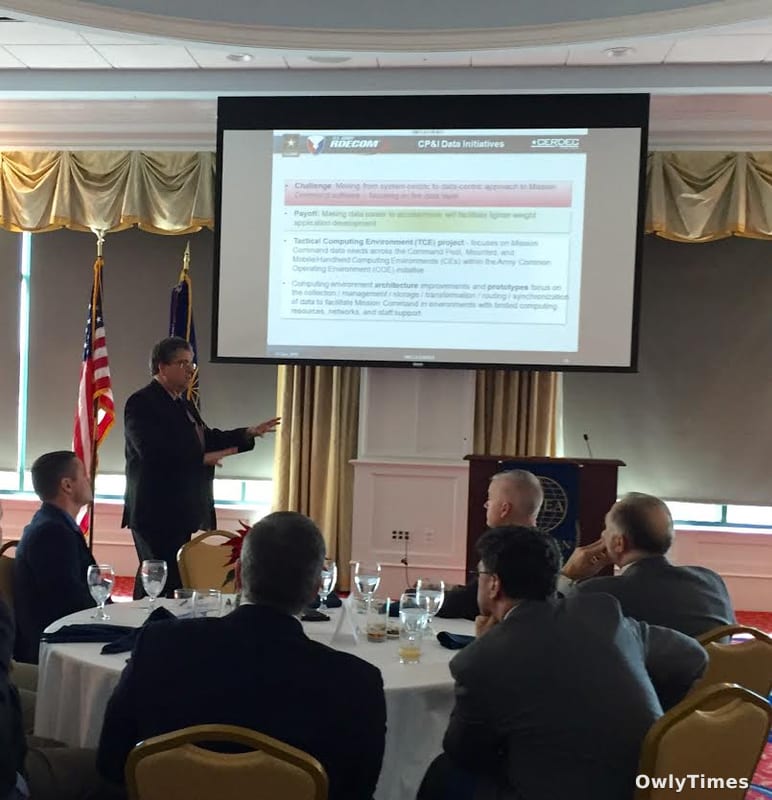

How do academic institutions effectively quantify the intangible value of intellectual labor? The question of how to measure "scholarly impact"—balancing patent filings, federal grant acquisition, and high-stakes publication—is a perennial challenge for university administrators. At Arkansas State University (A-State), the Office of Research and Technology Transfer recently attempted to formalize this recognition through its inaugural Research Excellence Luncheon, held during the Convocation of Scholars.
The event aimed to bridge the gap between niche academic output and broader institutional growth. While headlines often prioritize a singular "breakthrough" discovery, the reality of academic research is a sustained, multi-year grind of proposals and infrastructure building. By honoring diverse achievements—ranging from a U.S. Patent for "Nootkatone derivatives" issued to Dr. Mohammad Abrar Alam to the acquisition of massive federal grants—the university is highlighting the specific mechanisms that allow a regional institution to compete for national funding.
The data presented at the luncheon underscores a heavy reliance on high-dollar external validation. For example, Dr. Jennifer Bouldin, dean of the Beck College of Sciences and Mathematics, was recognized for an NSF Major Instrumentation award exceeding $700,000, which provided essential laboratory equipment. Similarly, Mrs. Jo Ann Nalley, director of Childhood Services, secured a $2.7 million grant from the Arkansas Department of Education. These figures represent more than just capital; they signify the expansion of the university's functional capacity to support future research.
However, a critical limitation remains in how such metrics are interpreted. High grant activity, such as the four proposals submitted by Dr. Rachael Isom and Dr. Chiqian Zhang, is a positive indicator of ambition but does not guarantee future funding or long-term scientific impact. Furthermore, while the event celebrated a publication with an impact factor greater than 10 for Dr. Nanying Lin and Dr. Jianfeng Xu, the "impact factor" metric itself is a subject of ongoing debate in academia, as it measures the citation frequency of journals rather than the specific, real-world utility of an individual article.
The institutional focus on productivity, particularly through the Faculty180 reporting system, reveals a push toward quantifiable accountability. Dr. Nairam Simoes was honored for the highest overall productivity in the Arts and Humanities, having completed six journal publications and six presentations in 2025. This emphasis on volume is a deliberate strategy to demonstrate institutional vitality to stakeholders and donors.
The next step for this research ecosystem will be the translation of these foundational grants and patents into tangible societal applications. As Dr. Travis Marsico, vice provost, noted, these awards are intended to validate the "relentless pursuit of excellence." The future trajectory of A-State’s research enterprise will be best tracked by the successful renewal of these multi-year federal grants and the eventual commercialization of the 2025 patents held by faculty like Dr. Fabricio Medina-Bolivar. Monitoring the subsequent cycle of Faculty180 reporting will determine whether this current surge in grant proposal activity results in a sustained increase in external funding.





