
Is Silicon Valley genuinely inventing the future, or just really good at repackaging age-old anxieties? We’re currently in the throes of another AI panic-and-profit cycle – the S&P 500 jumps on Nvidia’s earnings, then stumbles over concerns about datacenter spending. It feels…familiar. The real story here isn't the novelty of ChatGPT or Midjourney – it’s that the debate surrounding artificial intelligence is a remarkably predictable echo of anxieties that began with the spinning jenny. We’re not facing a uniquely modern disruption; we’re reenacting a drama that’s played out with every major technological leap for the last 200 years.
The Ghosts of Industrial Revolutions Past
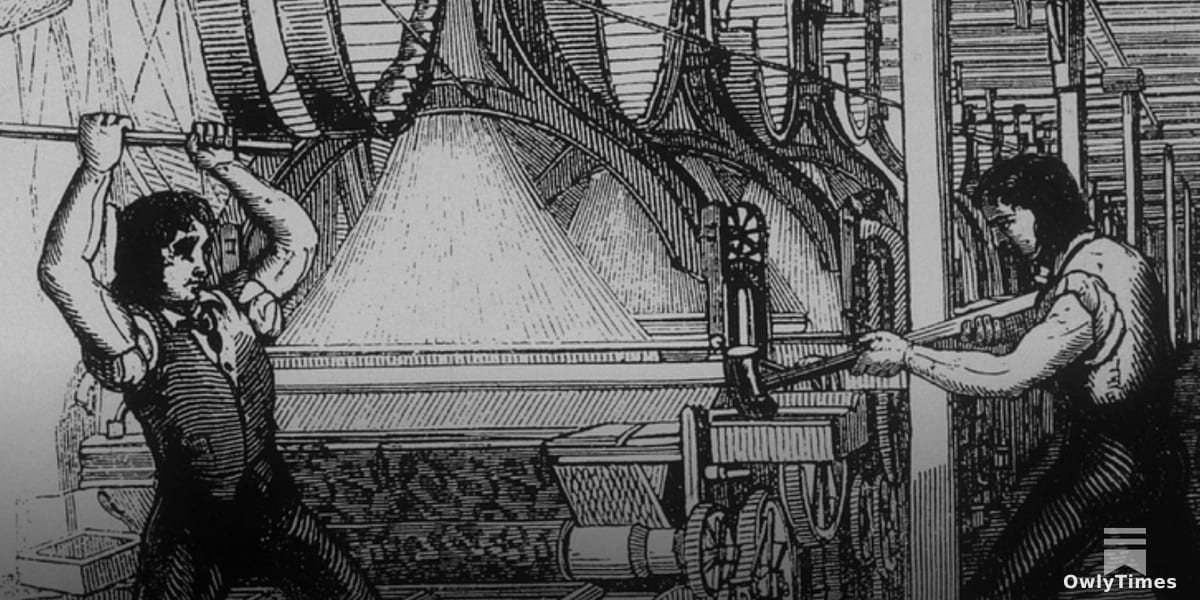
The current obsession with AI’s potential to displace workers isn’t new. In the early 19th century, the “Luddites” – skilled textile workers – smashed power looms in protest, fearing (correctly, as it turned out) that machines would render their skills obsolete. This wasn’t irrational resistance to progress; it was a response to a very real threat to their livelihoods. Adam Smith, often hailed as the father of modern economics, acknowledged this tension in The Wealth of Nations (1776), recognizing that new machinery, while increasing overall wealth, could temporarily harm specific groups of workers. What’s often glossed over is that Smith wasn’t blindly optimistic. He understood that the benefits of technological progress weren’t automatically distributed, and that social disruption was a likely consequence. This initial grappling with the economic consequences of technology laid the groundwork for the field of economics itself.
This article draws on reporting from paulkrugman.substack.com.
Productivity Gains and the Wage Question
The core question then, as now, is whether productivity gains translate into gains for workers. It’s easy to point to overall economic growth fueled by technology, but that doesn’t mean everyone benefits. Consider the period between 1948 and 1973 – a golden age of American manufacturing. Productivity soared, but wage growth for the average worker began to stagnate even as executive compensation skyrocketed. This decoupling of productivity and wages isn’t a bug in the system; it’s a feature of how power dynamics operate. AI, with its potential to automate increasingly complex tasks, threatens to exacerbate this trend. While proponents promise new jobs will emerge, history suggests those jobs often require different skills, leaving many workers behind. The current average annual wage in the US is around $59,428, but a significant portion of the population earns far less, making them particularly vulnerable to displacement.
Monopolies, Oligarchies, and the Concentration of Wealth
Beyond job displacement and wage stagnation, technology has a nasty habit of concentrating wealth. The narrative of disruptive innovation often overlooks the fact that successful technologies tend to create monopolies or oligopolies. Think about Standard Oil in the late 19th century, or Microsoft in the late 20th. These companies didn’t just innovate; they aggressively consolidated power, eliminating competition and capturing a disproportionate share of the economic benefits. Today, we see a similar pattern emerging with tech giants like Alphabet (Google), Amazon, Apple, and Meta (Facebook). AI, with its massive data requirements and computational costs, is likely to further entrench these existing power structures. The top 1% in the US currently holds over 30% of the nation’s wealth – a figure that’s been steadily increasing for decades. AI could accelerate this trend, creating a future where a handful of companies control the most valuable resource of all: intelligence itself.
The Illusion of Control and the Coming Regulatory Reckoning
The current debate around AI safety – focusing on existential risks and rogue algorithms – feels strangely detached from the more immediate and pressing concerns of economic disruption. While the long-term implications of artificial general intelligence (AGI) are worth considering, we’re already grappling with the consequences of narrow AI systems that automate jobs, manipulate information, and reinforce existing inequalities. The focus on hypothetical future threats allows policymakers to avoid addressing the very real problems unfolding today. The European Union’s AI Act, aiming to regulate AI based on risk levels, is a step in the right direction, but its effectiveness remains to be seen. The US, meanwhile, is largely relying on voluntary guidelines from tech companies – a strategy that has historically proven ineffective.
Here’s what to watch for: in the next 18 months, expect a significant increase in lawsuits targeting AI-driven discrimination in hiring and lending. The legal system, lagging behind the technology, will become the primary battleground for determining the social and economic limits of AI. The question isn’t if regulation will come, but when and whether it will be proactive enough to prevent a further widening of the wealth gap.