
Is the AI revolution in healthcare finally delivering on its promises, or are we still just buying expensive noise? That’s the question hanging over the industry, even as hospitals pour billions into artificial intelligence solutions. The narrative spun in Silicon Valley—and dutifully reported by much of the tech press—is one of seamless transformation. The real story here isn't the breathless hype around AI’s potential, it’s the messy, often frustrating reality of implementation, and the growing realization that simply having AI isn’t enough.
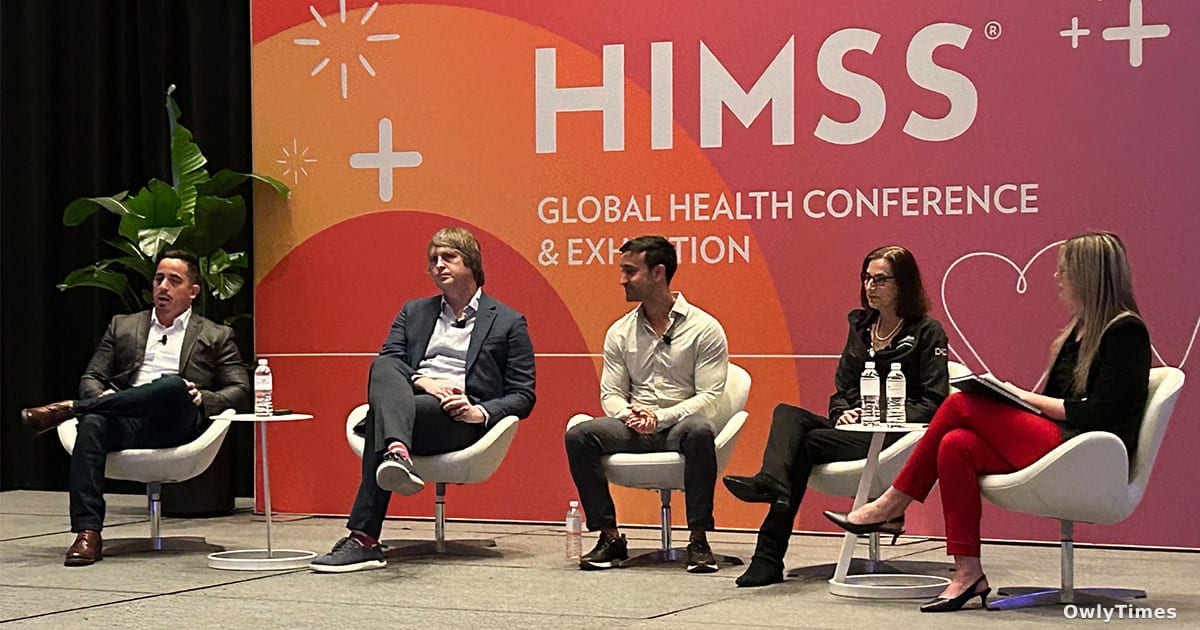
At the HIMSS26 AI in Healthcare Forum in Las Vegas this week, a panel of hospital and health system leaders offered a bracingly honest assessment. Michael Archuleta, CIO of Mt. San Rafael Hospital in Colorado, cut through the jargon, stating bluntly that AI tools without a clear patient-centric benefit are “just noise.” For a 25-bed critical access hospital, every dollar spent needs to demonstrably improve care, especially in rural areas where resources are scarce. San Rafael has found success with seven radiology algorithms that Archuleta described as “life-saving,” but the emphasis is on specific results, not chasing the latest trend. This isn’t about AI for AI’s sake; it’s about solving concrete problems.
Drawn from healthcareitnews.com.
The scale of ambition varies, of course. Michael Hasselberg, chief transformation and digital officer of Nebraska Medicine, a system with over 800 beds, is taking a different tack: building AI tools in-house. He argues that academic health systems now have access to the same foundational AI models as major vendors, coupled with the crucial ingredients of data, well-defined problems, and clinical expertise. Nebraska Medicine is churning out roughly one AI use case per month, scaling to over 25 across the system. This suggests a shift from relying on external solutions to fostering internal innovation, a move that could democratize AI development and tailor solutions to unique institutional needs. But it also raises questions about the long-term cost and complexity of maintaining a robust in-house AI development team.
However, even with the best intentions and ample resources, AI projects can—and do—fail. Roberta Schwartz, Chief Innovation Officer at Houston Methodist, shared a cautionary tale about deploying ambient cameras in operating rooms to monitor equipment and process efficiency. The initial reaction from surgeons was overwhelmingly negative, perceiving the technology as intrusive surveillance. “It was crazy,” Schwartz admitted, describing the “mayhem” that ensued. The project only gained traction after nearly two years, when surgeons came to view the cameras as a tool, not a threat. This highlights a critical, often overlooked aspect of AI implementation: change management. As Schwartz succinctly put it, “Technology plus not changing equals more expensive.” It’s not enough to introduce a sophisticated algorithm; you have to fundamentally alter workflows and address the concerns of the people who use them.
The panel’s discussion also revealed a growing sense of pragmatism about the pace of AI adoption. Ian Shakil, chief strategy officer at AI vendor Commure, predicted that the next six months will upend many existing assumptions about AI integration, urging organizations to “press the refresh button on your priors.” This isn’t a call for reckless experimentation, but a recognition that the AI landscape is evolving at breakneck speed. The foundation models powering these tools are constantly improving, and new capabilities are emerging seemingly overnight. Healthcare organizations need to be flexible and adaptable, willing to abandon approaches that no longer serve their needs.
Ultimately, the success of AI in healthcare hinges on a willingness to move beyond the hype and focus on tangible improvements in patient care. Archuleta’s closing remark encapsulated this sentiment: “Your Zip code should never determine your overall healthcare outcomes.” If AI can help bridge that gap, particularly in underserved rural communities, then the investment is justified. But if it simply adds another layer of complexity and cost without delivering measurable benefits, it will quickly become another example of technology failing to live up to its promise. Expect to see a significant culling of AI projects in the next 18 months, as hospitals begin to rigorously evaluate the ROI of their investments. The question isn’t if AI will transform healthcare, but which AI solutions will actually survive the reckoning.





