
The Looming Fiscal Shadow Over American Healthcare
What happens when the nation’s checkbook can no longer cover its healthcare tab? This is the fundamental question quietly underpinning discussions about the future of American medicine, a concern that transcends policy debates and touches upon the very sustainability of the systems designed to keep us healthy. At the recent Penn Population Aging Research Center (PARC) 2026 Annual Retreat, a gathering of leading health services researchers, this critical intersection of national finance and personal well-being was brought into sharp focus, not through the lens of clinical innovation, but through the stark realities of federal debt and an aging populace.
What the study actually found versus what headlines might suggest is that the challenge isn't merely about funding new treatments or improving hospital efficiency. Instead, experts like Kent Smetters, PhD, Professor at the Wharton School and a national budget expert, argue that the long-term viability of U.S. healthcare hinges on the federal government's ability to sustainably finance the intricate web of systems that pay for care. Dr. Smetters, a former Deputy Assistant Director of the Congressional Budget Office and Deputy Assistant Secretary of the U.S. Department of the Treasury, presented his findings on May 1, 2026, painting a picture where national fiscal health and individual health outcomes are inextricably linked.
"Doctor Doom and Gloom" Sounds an Alarm
Dr. Smetters, who humorously acknowledged being sometimes labeled "Doctor Doom and Gloom," delivered a keynote address that directly linked the solvency of the U.S. healthcare system to the nation's overall fiscal trajectory. His central argument, presented to an audience of health services researchers, was that rising national debt, significantly fueled by an aging population and escalating healthcare expenditures, will increasingly dictate the scope and accessibility of care the country can afford. He underscored that the very researchers studying healthcare are, in essence, examining a primary driver of a looming national budget crisis. This perspective was particularly resonant as the United States found itself grappling with a significant fiscal milestone: the national debt had grown to approximately the size of the nation’s Gross Domestic Product (GDP), a debt-to-GDP ratio not seen since World War II and the economic disruption of the COVID-19 pandemic.
His analysis, presented with a series of charts and graphs, posited that the country faces a profound long-term fiscal imbalance. Dr. Smetters contended that neither robust economic growth nor increased taxation on wealthy Americans alone can rectify this situation, leaving significant policy changes as the only viable path forward. He elaborated on the immediate consequences of this escalating debt, noting its tendency to crowd out private investment, which in turn pressures interest rates upward, ultimately leading to lower wages and diminished living standards for the populace. The stark warning was that the nation will eventually confront its debt obligations, either through proactive policy adjustments or, in the absence of such action, through inflationary measures that erode the purchasing power of citizens. Even more concerning, he cautioned, is the potential for financial markets to abruptly lose faith in the nation's fiscal stability, precipitating a sharp escalation in borrowing costs.
The Hidden Debt in Aging and Health Spending
A crucial point Dr. Smetters emphasized was that official debt figures significantly understate the true magnitude of the problem. This underestimation arises from the exclusion of substantial future obligations, such as those related to Social Security and Medicare. Economically, these programs function much like debt, effectively shifting resources from younger to older generations as the population ages. When these commitments are factored in, the picture becomes one of a structural imbalance that cannot be resolved by economic growth alone, including advancements from artificial intelligence, nor solely by taxing high-income households. Instead, Dr. Smetters asserted, the path to solvency requires broader tax reforms and adjustments to major government spending programs. Despite these sobering projections, Dr. Smetters expressed a degree of optimism, suggesting that there remains time to address the issue and that a solution is technically achievable, contingent upon the political will of leaders to enact necessary changes.
Aging Workforce and Strained Systems
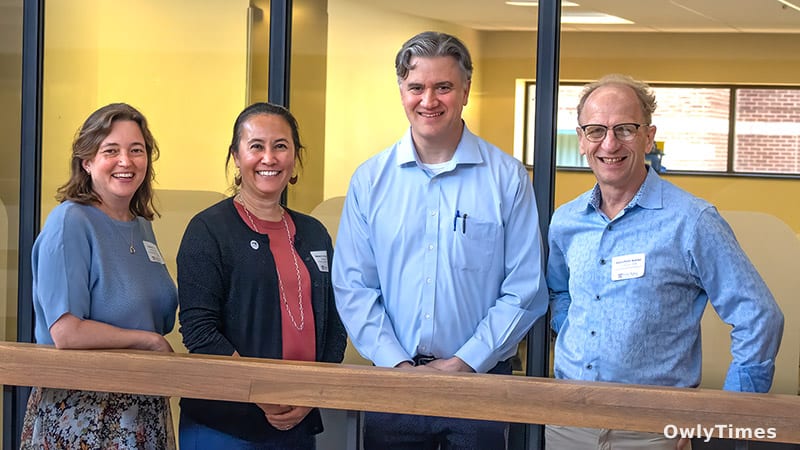
The PARC retreat itself, established in 1994 with support from the National Institute on Aging, is dedicated to understanding the multifaceted consequences of aging populations. This interdisciplinary center convenes scholars from across the University of Pennsylvania. The annual Aging Retreat, launched in 2022 in the wake of the COVID-19 pandemic's exposed vulnerabilities in nursing homes, hospitals, and long-term care networks, has expanded its scope. It now addresses a wide array of aging-related health policy research. Norma Coe, PhD, Co-Director of PARC, noted the growing attendance, with former research mentees now bringing their own protégés to the event. Hans-Peter Kohler, PhD, also a Co-Director of PARC and an LDI Senior Fellow, welcomed attendees to a day focused on panels and presentations at a time when older adults and the healthcare systems supporting them face immense challenges. These include anticipated federal funding cuts impacting Medicaid, long-term care, food assistance, housing, rural health infrastructure, and the critical caregiving workforce.
In a complementary keynote, Bianca Frogner, PhD, Professor at the University of Washington School of Medicine and Director of the Center for Health Workforce Studies, highlighted how the nation's aging demographic is driving an unprecedented demand for home health aides, nursing assistants, and other long-term care workers. However, she pointed out that these essential roles are often characterized by low wages, high turnover, and inadequate support systems. Dr. Frogner called for policymakers to bolster childcare, create clearer career pathways, and provide enhanced financial support for caregivers. Further research presented at the retreat, such as that by Jiyeon Kim, PhD, a Postdoctoral Fellow at PARC, examined the paradoxical situation of health aides taking second jobs to escape poverty, only to face diminished long-term wage growth and professional stability, creating a mobility trap. Additionally, Colby Freeman, MD, a Penn neuroradiologist, presented findings indicating that older hospital patients with suspected cognitive impairment rarely receive recommended outpatient follow-up after discharge, underscoring coordination gaps between healthcare providers and caregivers that leave many older adults without essential diagnoses and long-term care planning.
Limitations to Consider
While Dr. Smetters' analysis provides a crucial framework for understanding the fiscal underpinnings of healthcare, it's important to recognize the inherent limitations in any long-term economic projection. These models often rely on assumptions about future economic growth, technological advancements, and demographic shifts that can prove difficult to predict with absolute certainty. Furthermore, the political landscape is a significant variable; the willingness and ability of policymakers to enact the proposed reforms are not guaranteed. The data presented by Dr. Smetters, as reported by the Penn LDI publication, offers a sobering assessment of current trends, but the precise timeline and impact of these fiscal challenges remain subject to ongoing developments.
Next Steps in Fiscal Health and Healthcare Planning
The path forward, as articulated by Dr. Smetters and echoed by the discussions at the PARC retreat, demands a proactive and comprehensive approach. The immediate next research steps must involve a deeper integration of fiscal projections with health policy planning. This means developing models that can more accurately forecast the budgetary impact of various healthcare reforms, considering not only direct spending but also the indirect effects on workforce development, care delivery systems, and population health outcomes. Understanding how policy changes in areas like Social Security and Medicare might influence healthcare utilization and costs, and vice versa, will be paramount. Moreover, continued research into innovative care models that can deliver high-quality care more cost-effectively will be essential. The ultimate goal is to foster a dialogue where fiscal responsibility and the pursuit of robust, equitable healthcare are seen not as competing interests, but as mutually reinforcing objectives. The next significant signal to watch will be any movement towards bipartisan consensus on addressing the national debt, as this will directly inform the capacity of the federal government to sustain and evolve the healthcare systems upon which millions of Americans depend.