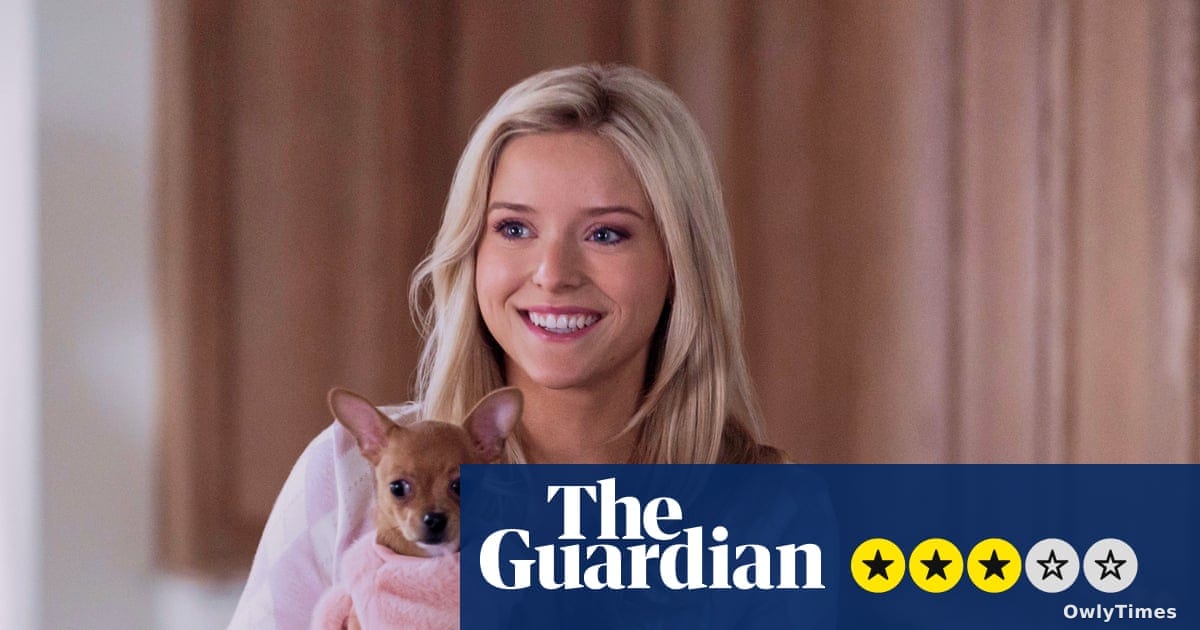

Is the era of the "unnecessary" reboot finally hitting a wall, or are we just watching the awkward growing pains of a streaming industry desperate for familiar intellectual property? The release of Elle, the new Prime Video prequel to the 2001 hit Legally Blonde, suggests that even the most glittering nostalgia can lose its luster when stripped of its original sharp-edged wit.
The real story here isn’t that Amazon is mining its vault for a quick win—it’s the growing chasm between studio strategy and audience reception. While Reese Witherspoon has successfully transitioned from the face of the franchise to an executive producer, critics are sharply divided on whether this mid-90s origin story captures the "bubble-gum magic" of the original, according to The Guardian.
The premise is a classic fish-out-of-water setup: teenage Elle Woods, played by newcomer Lexi Minetree, is uprooted from her affluent Bel Air life to the grunge-heavy landscape of Seattle after her father, a plastic surgeon portrayed by Tom Everett Scott, botches a celebrity’s nose job. While the series aims to replicate the "neo-feminist" charm of the original film, the BBC reports that the critical consensus has been largely brutal. Outlets like The Wrap have labeled the show "boring and tedious," while The Independent dismissed it as "slop."
However, the reception isn't universally negative. While The Hollywood Reporter noted that the show feels "stuck somewhere between the show it thought it wanted to be and the show it has the potential to become," other voices are more charitable. The BBC highlights that the New York Post and NME offered glowing reviews, with the latter calling the series a "hot pink delight." Even within the show’s own setting, The Seattle Times praised it as a "cute, funny fish-out-of-water comedy," despite admitting that the Seattle references are largely superficial since the show was filmed in Vancouver.
The technical and creative struggles are palpable. Critics point to a lack of genuine humor and a "sludgy" aesthetic that clashes with the vibrant expectations of the Legally Blonde brand, per The Guardian. The BBC further notes a common critique regarding "second-screen writing," where the plot feels intentionally simplified for viewers who are simultaneously scrolling on their phones. This reflects a broader industry trend where streamers prioritize "content" that can be consumed passively, often at the expense of the narrative punch that defined the original film.
Despite the mixed critical landscape, the business machinery is already in motion. The Hollywood Reporter confirms that Amazon secured a second-season pickup before the first even aired, a rare vote of confidence that highlights the streamer’s heavy investment in the IP. For Minetree, who spent hours crafting her own audition tape to secure the role, the focus remains on navigating the pressure of taking over a character that has spent 25 years in the cultural consciousness.
For the everyday user, this serves as a reminder that prestige IP is not a guarantee of quality. As audiences become increasingly savvy about the "development hell" of long-delayed sequels and prequels, the success of Elle will likely hinge on whether the second season can find its own identity rather than leaning on the thin veneer of nostalgia. My prediction: Expect a pivot in the tone of the second season. As the show moves out of the "introduction" phase mentioned by The Hollywood Reporter, the creative team will be forced to address the "unfunny" feedback loop or risk losing the very demographic they are trying to capture.