
Beyond Expansion: What Freeman’s Acquisition of Northwest Health Signals for Rural Healthcare
The announcement this week that Freeman Health System of Joplin, Missouri, will acquire Northwest Health – encompassing four hospitals and numerous outpatient centers across Northwest Arkansas – isn’t simply a story of one health system growing its footprint. It’s a case study in the evolving dynamics of healthcare delivery, particularly the increasing consolidation of rural and regional systems. While headlines focus on the $112 million price tag, the deeper question is whether this acquisition represents a sustainable model for maintaining access to comprehensive care in areas increasingly challenged by financial pressures and workforce shortages. This isn’t about Freeman entering Arkansas, as Matthew Fry, president and CEO of Freeman, framed it; it’s about a Missouri-based nonprofit absorbing a system previously under the for-profit umbrella of Community Health Systems, and the implications of that shift.
The core of the deal, finalized on March 5th, involves the transfer of assets including Northwest Medical Center – Springdale (222 beds), Northwest Medical Center – Bentonville (128 beds), Willow Creek Women’s Hospital in Johnson (64 beds), and Siloam Springs Regional Hospital (73 beds). Crucially, it also includes associated outpatient centers and practices, a detail often glossed over in initial reports. This isn’t just about beds; it’s about the integrated network of care that supports those beds. Community Health Systems’ decision to sell “substantially all” of Northwest Health’s assets speaks to a broader trend: for-profit hospital systems are reassessing their portfolios, often divesting from smaller, rural facilities that struggle to generate the same returns as larger urban centers. The average hospital operating margin in 2023 was -1.3% according to the American Hospital Association, meaning most hospitals lost money on core operations. For rural hospitals, that margin is often significantly worse.
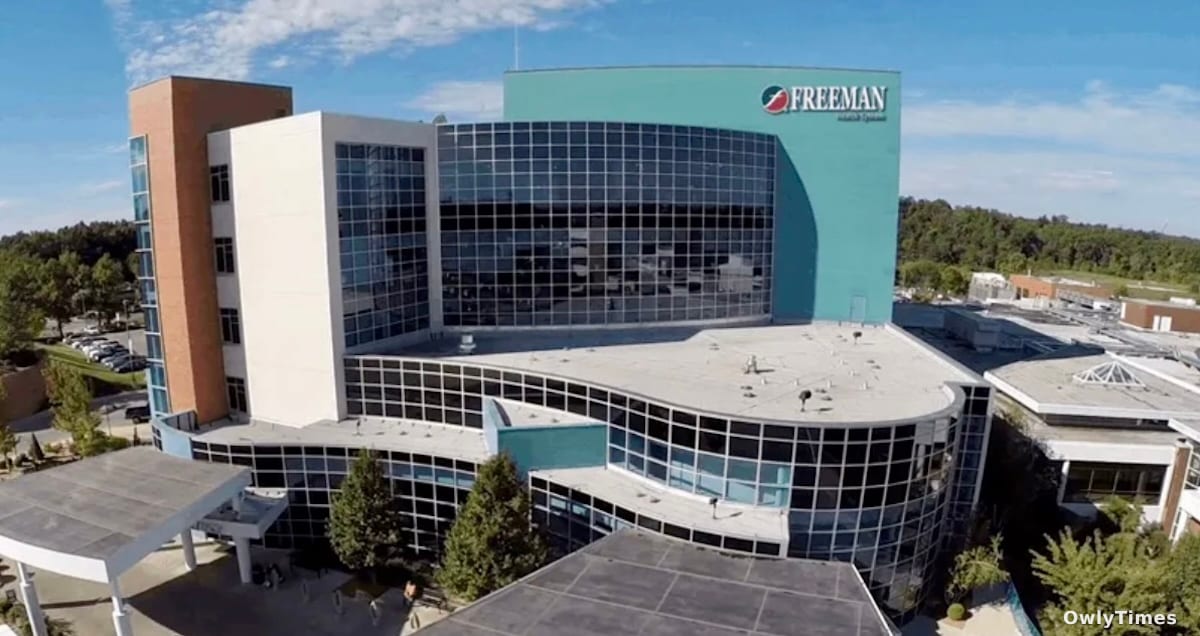
What distinguishes this acquisition is Freeman’s status as a nonprofit. Freeman Health System, already a substantial regional provider with Freeman Hospital West, Freeman Hospital East, Freeman Neosho Hospital, and Ozark Center, boasts over 300 physicians and a comprehensive range of services from cancer care to neurosurgery. According to Freeman, Northwest Health will also transition to nonprofit status, a change that could have significant implications for how the system operates and reinvests revenue. Nonprofits are legally obligated to prioritize community benefit over profit, potentially leading to different investment decisions regarding services, technology, and workforce development. However, the promise of nonprofit status doesn’t automatically guarantee improved outcomes; effective governance and transparent financial practices are equally critical. The rebranding of Northwest Health locations “to reflect our unified health system” is a symbolic step, but the real test will be in the operational integration and the tangible benefits for patients.
Original reporting: talkbusiness.net.
It’s important to note the limitations to consider. While Freeman has stated its intention to retain Northwest Health’s 1,500+ physicians and caregivers, and maintain the existing leadership structure – with Northwest Health leaders reporting to Freeman – the long-term impact on staffing remains uncertain. Hospital mergers and acquisitions often lead to consolidation of administrative roles and, sometimes, clinical positions. Furthermore, the deal is still pending regulatory approvals and “closing conditions,” meaning it’s not yet a certainty. The Freeman spokesperson’s reluctance to provide details on the number of clinics included in the deal raises questions about transparency and the scope of the acquisition. This lack of specificity, while perhaps standard during negotiations, underscores the need for continued scrutiny as the process unfolds.
Looking ahead, the success of this acquisition will hinge on Freeman’s ability to address the systemic challenges facing rural healthcare. The “Freeman Forward” strategic plan, which this acquisition supports, emphasizes expanding access, supporting caregivers, and investing in clinical excellence. But these are broad goals. The critical next step is to observe how Freeman addresses specific issues like telehealth infrastructure, specialist recruitment, and financial sustainability in the Northwest Arkansas market. Will Freeman leverage its existing resources to enhance services at the smaller hospitals in Bentonville and Siloam Springs, or will those facilities become increasingly reliant on referrals to the larger Springdale campus? The answer to that question will determine whether this acquisition truly expands access to care, or simply concentrates it. Residents of Northwest Arkansas should watch closely for changes in service availability, wait times, and the overall patient experience in the coming months – these will be the true indicators of whether this deal delivers on its promise.





