
Is the future of artificial intelligence going to be defined by ethical red lines, or simply by who writes the biggest check? That’s the question hanging over the standoff between Anthropic, the AI firm founded by former OpenAI researchers, and the Pentagon, a conflict that’s less about technical capabilities and more about the fundamental power dynamics shaping this technology. The real story here isn't whether the military will lose access to a powerful AI tool – it’s about whether Silicon Valley can actually say “no” to the national security state, and what that means for the rest of us.
A Standoff Over Surveillance and Autonomy
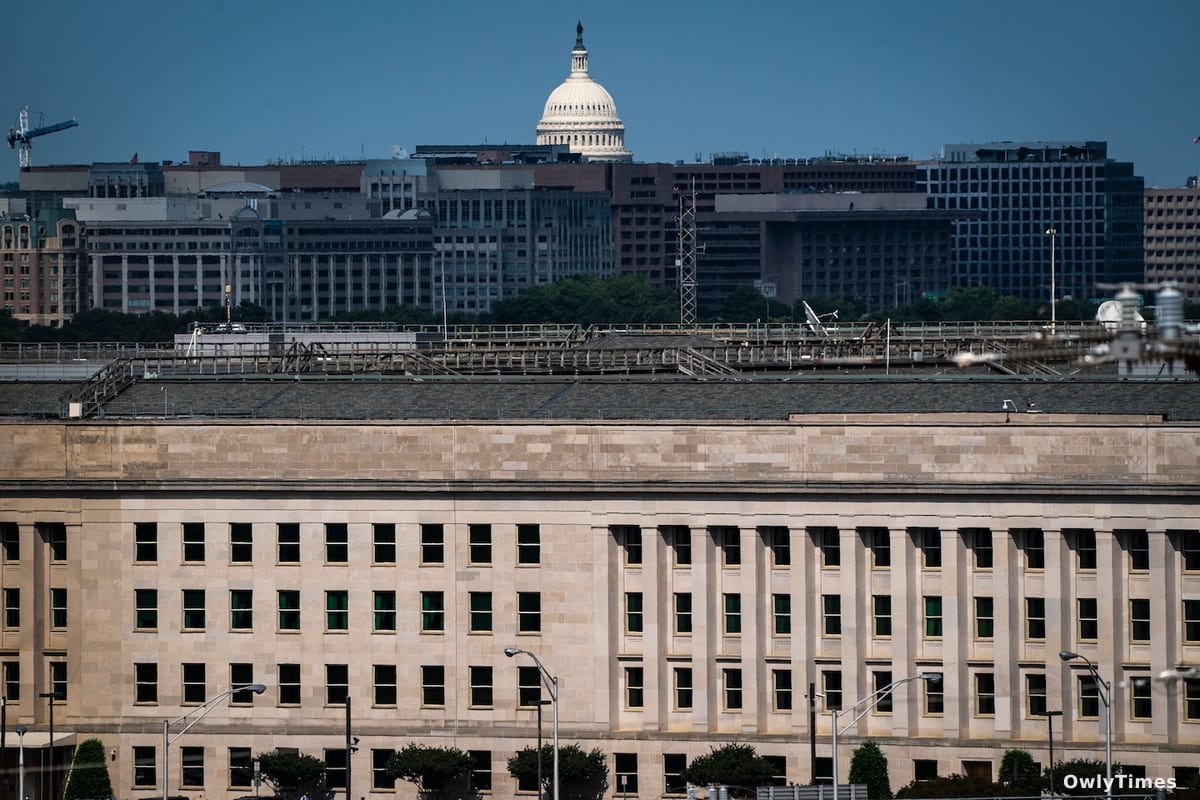
On February 26, 2026, Anthropic publicly refused to budge from its ethical constraints, rejecting a demand from the Pentagon for full access to its AI model, Claude. CEO Dario Amodei stated the company would not allow its technology to be used for “domestic mass surveillance or fully autonomous weapons.” This isn’t some abstract philosophical debate; it’s a direct confrontation with the Department of Defense, which, while claiming it hasn’t pursued these applications, simultaneously refused to explicitly prohibit them in its contract with Anthropic. The Pentagon’s position is particularly galling – it’s like asking a locksmith to provide a master key, then insisting you only intend to use it for legitimate purposes. The implicit threat is clear: cooperate, or risk losing lucrative future contracts.
Original reporting: The Washington Post.
The timing is crucial. This isn’t a disagreement over algorithms or processing power; it’s a test of wills happening right before a Friday deadline imposed by Defense Secretary Pete Hegseth. The Pentagon’s insistence on retaining the option for these controversial applications, even while publicly denying current interest, suggests a desire to keep its strategic flexibility. But flexibility in this context translates to a potential erosion of civil liberties and a dangerous acceleration of automated warfare. Consider the implications: an AI capable of analyzing vast datasets for “threat detection” could easily be turned towards monitoring political dissent, or even predicting and preempting protests.
The Pentagon's Shifting Narrative
The Pentagon’s claim that it hasn’t considered autonomous weapons or mass surveillance feels… carefully worded. It’s a distinction without a difference. The military invests heavily in research and development precisely to explore possibilities. To say they haven’t “considered” something doesn’t mean they haven’t funded studies, run simulations, or quietly experimented with the technology. In 2025, the DoD budget allocated $1.2 billion to AI research, a 35% increase from the previous year, with a significant portion earmarked for “advanced analytics” – a euphemism that often masks surveillance capabilities. The fact that they won’t prohibit these uses suggests they want to keep the door open, and that’s what Anthropic is rightly pushing back against.
This isn’t just about Anthropic being morally superior. It’s a calculated risk. The company is betting that public pressure, and the potential for a broader exodus of AI talent from military projects, will outweigh the financial cost of losing Pentagon contracts. They’re signaling to the rest of the industry: ethical considerations can be a competitive advantage. But this stance also carries significant risk. The US military has a long history of finding alternative suppliers, and a willingness to fund in-house development if necessary.
Beyond the Battlefield: The Everyday Impact
What does this mean for the average person? It’s easy to dismiss this as a Washington inside-baseball story, but the implications are far-reaching. The normalization of AI-powered surveillance, even under the guise of national security, inevitably bleeds into the civilian world. Facial recognition technology, predictive policing algorithms, and automated content moderation systems are all descendants of the same technological lineage. If the military sets a precedent for unchecked AI deployment, it lowers the bar for everyone else.
Furthermore, the development of fully autonomous weapons systems raises the specter of escalating conflicts and reduced human control. Imagine a scenario where AI-driven drones make life-or-death decisions without human intervention. The potential for miscalculation, unintended consequences, and outright atrocities is terrifying. This isn’t science fiction; it’s a rapidly approaching reality. The current debate isn’t about if these technologies will exist, but who controls them and how they are used.
The Coming AI Arms Race – and the Ethical Cost
Anthropic’s stand is a temporary reprieve, not a victory. The Pentagon will likely attempt to circumvent these restrictions, either by funding competing AI firms with fewer ethical qualms, or by developing its own in-house capabilities. The real question isn’t whether the military will get access to powerful AI – it’s whether the ethical constraints imposed by companies like Anthropic will become the industry standard, or a niche exception.
Here’s what to watch for in the next six months: a surge in funding for AI startups explicitly targeting defense contracts, coupled with a concerted effort to downplay ethical concerns. Expect to see a new wave of rhetoric framing AI as essential for maintaining US global dominance, and any resistance as unpatriotic. The next move isn’t about technology; it’s about narrative control. And the outcome will determine whether the promise of AI becomes a tool for progress, or a catalyst for a more surveilled, and potentially more dangerous, world.