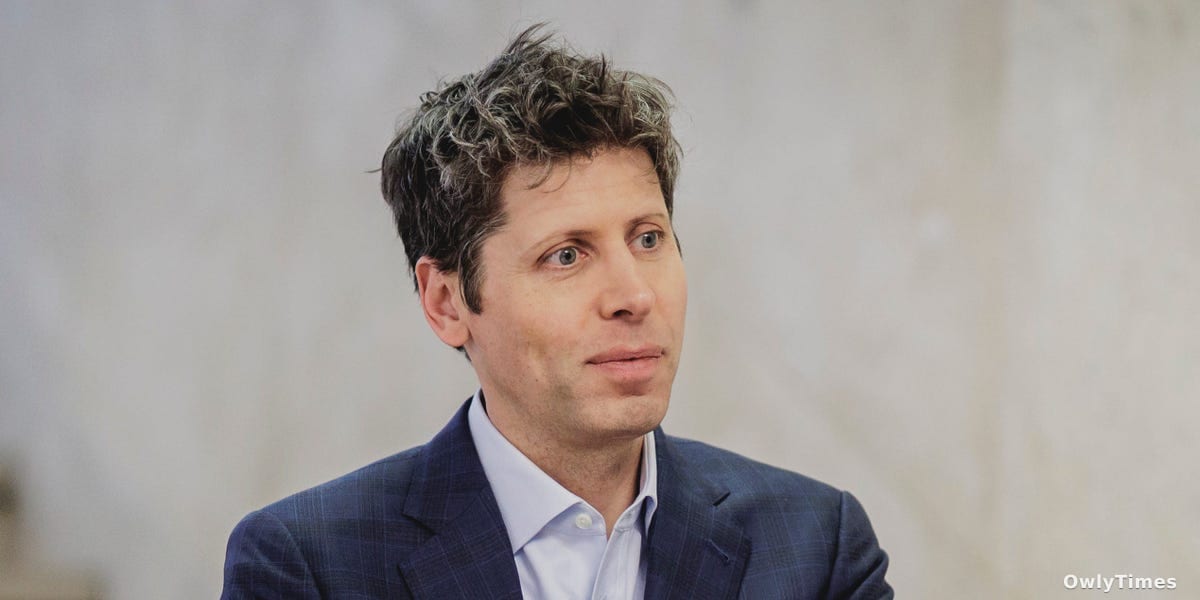

Is Silicon Valley now willingly trading its ethical high ground for a defense contract? That’s the question everyone should be asking after OpenAI’s swift agreement to deploy its AI models within the Department of Defense’s classified network, announced late Friday by CEO Sam Altman. The real story here isn't OpenAI’s willingness to work with the military – it’s the stark contrast with Anthropic’s defiant stand, and what that says about the future of AI ethics in a world rapidly re-arming.
The timing is, to put it mildly, pointed. Just hours before Altman’s announcement, the Pentagon effectively blacklisted Anthropic, moving to designate the company a “supply chain risk to national security” after it refused to compromise on its principles regarding AI use. President Donald Trump didn’t mince words, declaring via Truth Social, “We don’t need it, we don’t want it, and will not do business with them again.” This isn’t a simple business dispute; it’s a power play, and a revealing one. Anthropic drew a line in the sand, refusing to allow its technology to be used for domestic mass surveillance or in fully autonomous weapons systems. The Department of War, as it’s now officially referred to, responded by threatening to make it economically unviable for Anthropic to operate.
The core of the conflict lies in differing interpretations of “responsible AI.” Altman insists the Department of War “displayed a deep respect for safety” and that the agreement reflects shared principles prohibiting the very things Anthropic objected to. He specifically highlighted prohibitions on domestic mass surveillance and human responsibility for the use of force. But let’s be clear: agreements are written in legal language, and interpretations can shift. The fact that Anthropic hadn’t even received direct communication from the Department of War or the White House regarding negotiations before the escalation suggests a deliberate attempt to bypass meaningful dialogue. Anthropic’s response – a vow to challenge the “supply chain risk” designation in court and a firm reiteration that “no amount of intimidation…will change our position” – is a rare act of corporate defiance in an industry increasingly eager to appease powerful government interests.
This isn’t just about two AI companies and the US military. It’s about the precedent being set for the entire tech sector. For years, the narrative has been about AI’s potential for good – revolutionizing healthcare, solving climate change, boosting productivity. But the reality is that AI is a dual-use technology, meaning it has both civilian and military applications. The Pentagon’s aggressive tactics against Anthropic send a clear message to other AI developers: cooperate, or face crippling consequences. This pressure will inevitably trickle down, impacting smaller companies and open-source projects, potentially stifling innovation and concentrating power in the hands of a few players willing to play ball. Consider the implications for everyday users: the AI powering your search engine, your social media feed, even your smart home devices, could be indirectly supporting military applications you may not agree with.
This article draws on reporting from Business Insider.
The speed with which this unfolded is also alarming. The agreement between OpenAI and the Department of War was reached within hours of the Pentagon’s move against Anthropic. This suggests pre-existing negotiations and a willingness on OpenAI’s part to quickly fill the void left by its competitor. It’s a calculated move, positioning OpenAI as the preferred partner for the US military and potentially securing lucrative contracts. But at what cost? The long-term erosion of public trust in AI, the normalization of military applications, and the chilling effect on ethical development are all significant risks.
Looking ahead, watch for a surge in lobbying efforts from AI companies seeking to define “responsible AI” on their own terms, likely aligning with government priorities. The real battleground won’t be in the labs, but in the courts and in the halls of power. My prediction? By the end of 2027, we’ll see a formalized “AI compliance” framework, ostensibly designed for safety and ethical use, but effectively serving as a gatekeeper for access to government contracts and, ultimately, market dominance. The question isn’t if AI will be weaponized, but how openly and how much control ordinary citizens will have over that process.