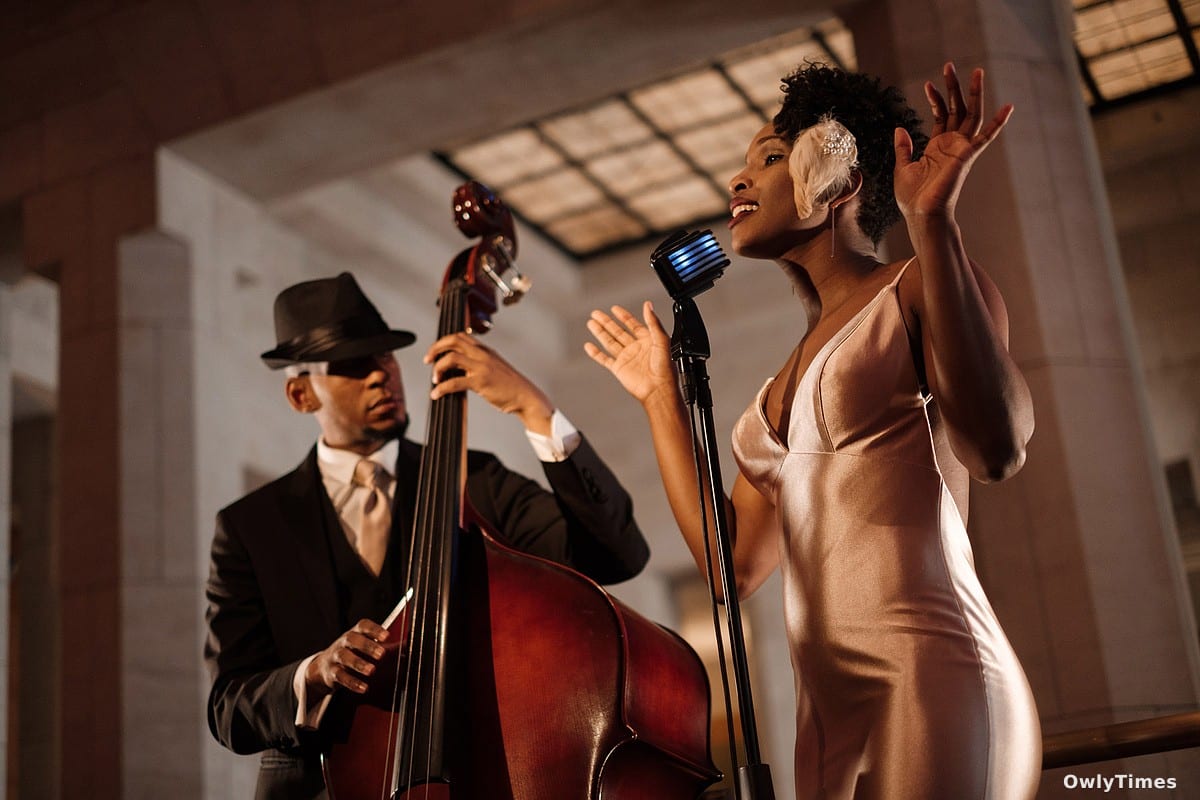

The scent of beeswax and anticipation hung thick in the air at the Ron Robinson Theater Tuesday evening. Not from a new cleaning product, but from the dozens of flickering candles illuminating the space, transforming it into a pocket-sized Harlem Renaissance. Acute Inflections, the husband-and-wife duo of Elasea Douglas (“eL”) and Sadiki Pierre, weren’t just playing music; they were curating an experience. But beyond the elegant ambiance and complimentary wine, this performance represents a quiet recalibration happening within the arts landscape – a deliberate effort to connect artistic expression with tangible community support, and a growing demand for intimacy in a world oversaturated with spectacle.
The “Soulful Sounds in Little Rock” program, inspired by the artistic flourishing of the 1920s and 30s, isn’t simply a nostalgic nod. It’s a strategic choice. While stadium concerts and streaming services dominate the music industry – generating a projected $85.7 billion in revenue for 2024, according to the Recording Industry Association of America – smaller, curated events like this are carving out a vital niche. They offer something algorithms can’t replicate: a direct connection between artist and audience, a shared emotional space, and a sense of belonging. And crucially, a portion of the $55-$90 ticket price directly benefits the Renaissance Youth Center in the South Bronx, providing music education and tutoring. This isn’t charity tacked onto an event; it’s woven into the very fabric of its purpose.
This emphasis on social impact echoes a broader trend. Consumers, particularly younger generations, are increasingly prioritizing values alignment when choosing how to spend their money and time. A recent study by Deloitte found that 57% of Gen Z and Millennial consumers have stopped purchasing from brands that don’t align with their values. Acute Inflections understands this, and their commitment to supporting the Renaissance Youth Center isn’t just good PR; it’s a reflection of a genuine desire to use their platform for positive change. It’s a model other artists, facing dwindling revenue from traditional sources, are beginning to embrace.
Source material: arkansasonline.com.
Meanwhile, just a few hours north in Fayetteville, a different kind of musical energy was building at the Walton Arts Center. Eight a cappella groups – including Arkansas’ own Decibelles from Fort Smith – are vying for the top spot in the annual VoiceJam Competition on April 11th. While a cappella might seem niche, the competition consistently draws impressive crowds, with tickets for the main event priced at $31.05. This isn’t just about vocal talent; it’s about the power of collaborative artistry and the accessibility of the medium. A cappella requires no instruments, no elaborate staging – just voices, creativity, and a shared passion. The Walton Arts Center’s commitment to hosting VoiceJam, alongside a kickoff concert featuring Voctave and free workshops, demonstrates a dedication to fostering emerging talent and providing opportunities for artistic expression at all levels.
The contrast between the intimate setting of the Robinson Theater and the competitive energy of VoiceJam highlights the diverse ways in which the arts are thriving in Arkansas. But both events share a common thread: a focus on community engagement and a willingness to experiment with new formats. Even the immersive production of “Oklahoma!” at Actors Theatre of Little Rock, where audience members can literally be pulled into the action (and offered Aunt Eller’s soup!), speaks to this desire for a more visceral and participatory theatrical experience. The $35 immersive ticket price, a premium over the $30 non-immersive option, suggests audiences are willing to pay for that heightened level of engagement.
The Arkansas Museum of Fine Arts is also leaning into this community-focused model, opening applications for its second annual Art Market in September. By providing a platform for both established and emerging artists, AMFA is not only enriching the cultural landscape but also fostering economic opportunities for creatives. The early-bird application deadline of March 27 underscores the urgency and demand for these types of opportunities. This isn’t simply about selling art; it’s about building a sustainable ecosystem for artists to thrive.
What’s happening across Arkansas – from candlelit jazz evenings to a cappella showdowns and immersive theater – isn’t just a collection of isolated events. It’s a signal that the arts are evolving, adapting to a changing world, and prioritizing connection, community, and impact. The question now is whether larger institutions and funding bodies will recognize and support this shift, moving beyond traditional models of artistic patronage and embracing a more holistic and inclusive approach to cultural development. Will we see a future where artistic success is measured not just by ticket sales, but by the positive change it creates in the world?