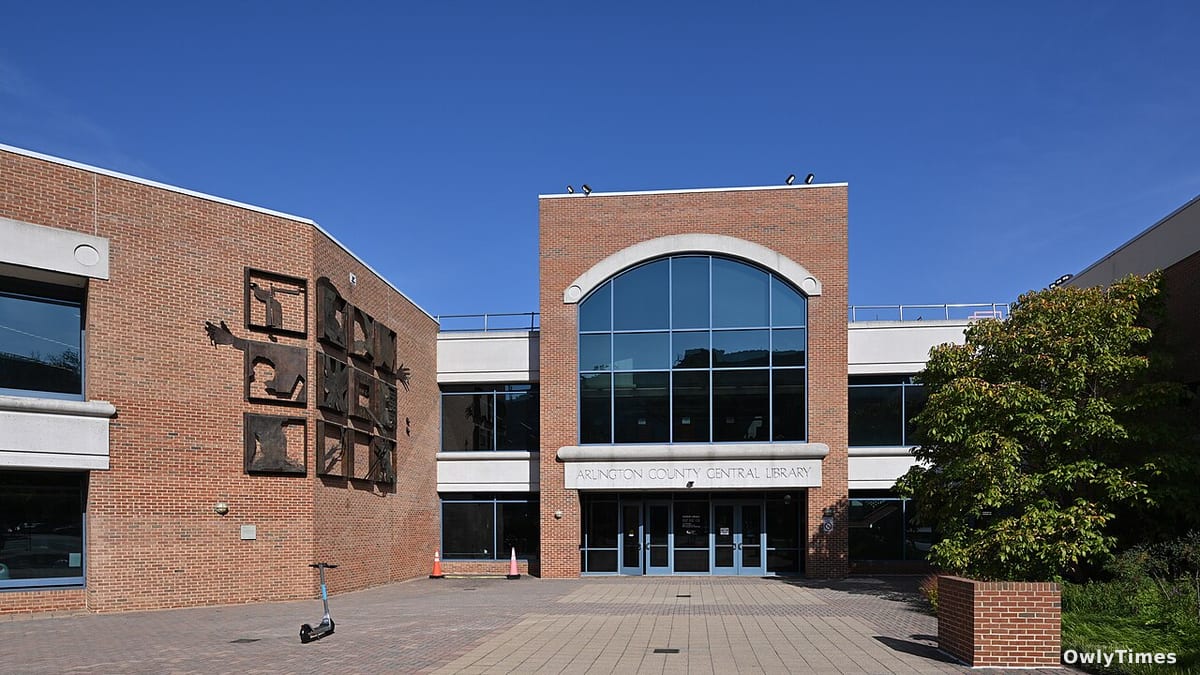

Is your local library now a tech incubator? That’s the question Arlington residents should be asking themselves as the Arlington Public Library (APL) prepares to host its Tech Fair on March 14th at the George W. Hawkes Downtown Library. It’s easy to dismiss these events as quaint community outreach, a nice-to-have alongside book clubs and story time. But the real story here isn’t about libraries offering tech demos – it’s about the evolving role of public institutions in a world where digital access is access, period. We’re past the point where a computer lab is a perk; it’s becoming a fundamental public utility, like running water.
The APL Tech Fair, originally slated for January 24th but postponed due to weather, isn’t just a showcase of gadgets. It’s a concentrated dose of what’s quietly becoming the library’s core mission: bridging the digital divide. The library is leaning into resources like its Makerspace, featuring 3D printers and vinyl cutters, offering hands-on experience that most residents wouldn’t otherwise encounter. This isn’t about creating the next Silicon Valley startup in Arlington; it’s about empowering individuals to use technology, to repair things, to create, and to participate in a world increasingly built on digital fabrication. Consider that the cost of a decent 3D printer starts around $200 – a significant barrier for many families.
See the original arlingtontx.gov story for the full account.
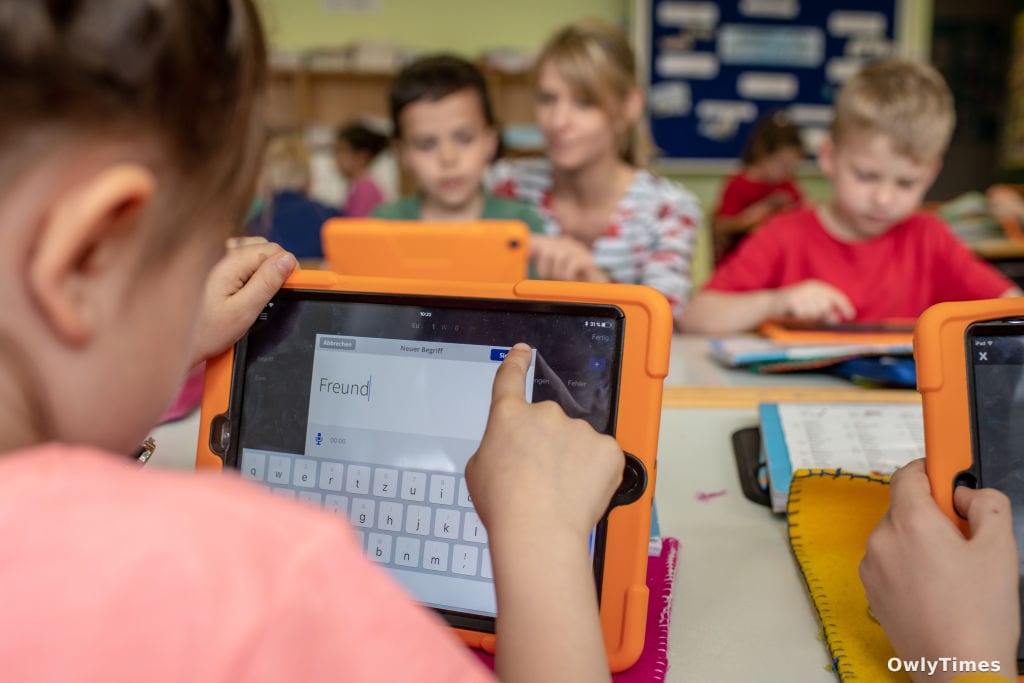
Beyond the flashy hardware, the APL is addressing a more fundamental need: digital literacy. The Adult Education Department will be on hand to provide information on classes ranging from social media basics to Microsoft Office proficiency. This is crucial. We talk a lot about AI and automation, but the immediate threat to many workers isn’t robots taking their jobs, it’s being left behind because they lack the skills to use the tools that support those jobs. A 2024 study by the Pew Research Center found that 24% of Americans lack even basic digital literacy skills, and that number skews higher among older adults and lower-income households. The APL is directly tackling that statistic.
What’s particularly interesting is the inclusion of city departments like the Arlington Water Department, demonstrating how they use advanced cameras to inspect water pipes. This isn’t just a tech showcase; it’s a transparency play. It’s showing residents how their tax dollars are being used to maintain infrastructure, and how technology is making that process more efficient. The presence of UTA’s Amphibian and Reptile Diversity Research Center, School of Social Work, and Department of Criminology and Criminal Justice further underscores this point – technology isn’t siloed in a lab, it’s interwoven with every facet of community life. It’s a subtle but important message: technology isn’t just for experts, it’s about everyone. The library’s related article on its “Retro Technology Lab” – helping residents digitize old photos and videos – highlights another critical function: preserving personal histories in an increasingly ephemeral digital world.
The APL Tech Fair is a small event, but it’s indicative of a larger trend. Libraries are evolving from repositories of books to dynamic community hubs, offering access to technology, education, and resources that are essential for navigating the 21st century. But here’s what to watch for: will this expansion of services be adequately funded? As budgets tighten and demands increase, will libraries be forced to choose between books and bytes? The real test won’t be whether the APL can host a Tech Fair, but whether it can sustain – and expand – these vital digital services in the years to come. Expect to see a growing debate over library funding in Arlington, and across the country, as these institutions grapple with their increasingly critical role in a digitally divided society.