
The narrative surrounding the Aurora Regional Navigation Campus, intended as a haven for individuals experiencing homelessness, is fracturing. While city officials maintain the facility is safe, recent reports from guests like Demetrius Rayden Johnson paint a picture of escalating illness – nosebleeds, persistent coughs – alongside visible evidence of mold remediation. This isn’t simply a story about substandard shelter conditions; it’s a case study in the complexities of rapidly converting existing infrastructure to meet critical social needs, and the inherent challenges of communicating risk when data offers a nuanced, and potentially unsettling, picture. The focus isn’t whether mold exists within the building – the city acknowledges its presence in unoccupied areas – but whether the levels present in areas currently housing over 300 people nightly pose a genuine health threat, and whether transparency around ongoing mitigation efforts is sufficient.
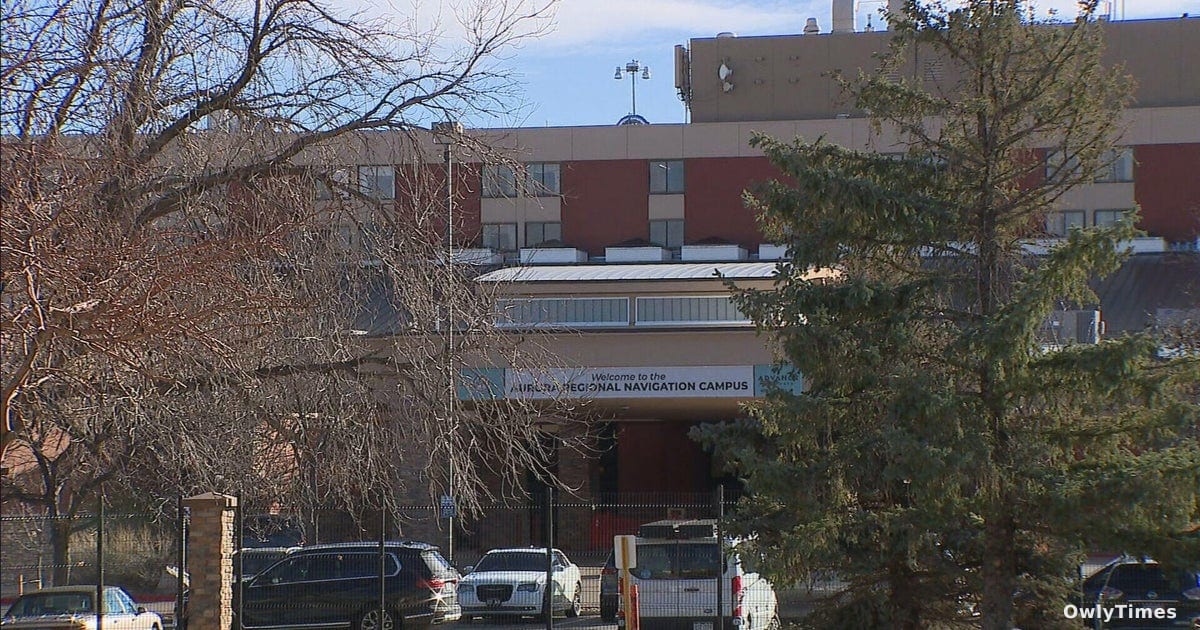
The Aurora Regional Navigation Campus, located at 15500 E 40th Avenue, began operations serving a nightly average of nearly 300 individuals. Initial concerns raised by community members in January centered on plumbing and sewage issues, which Stephanie Keiper, Aurora’s manager of homelessness behavioral health, confirms were addressed. However, the reports of illness emerging from within the campus suggest a deeper problem than initially perceived. Johnson’s experience – a bloody nose and debilitating cough – is not isolated, he states, claiming “people had been getting sick daily.” This anecdotal evidence, while not statistically representative, is a crucial signal that demands rigorous investigation, particularly given the vulnerability of the shelter population. It’s important to note that Johnson sought medical care but received no definitive explanation for his symptoms, further fueling concerns about potential environmental factors.
See the original CBS News story for the full account.
The city’s response hinges on air quality testing conducted by Lark Consulting Group, contracted to oversee the building’s conversion from a hotel to a shelter. The inspection report, shared with CBS Colorado, indicates that occupied areas tested within the “green” range for airborne mold concentrations – levels considered normal for a structure of this type. This finding is being presented as evidence of safety, and it’s technically accurate. However, the report’s framing is critical. “Normal” does not equate to “zero risk,” and the report doesn’t address the potential for mold to trigger or exacerbate existing respiratory conditions, common among individuals experiencing homelessness. Furthermore, the “green” designation applies only to occupied areas. The report also reveals significantly higher mold concentrations on the fifth and sixth floors, areas currently sealed off from guests, a detail the city emphasizes.
This distinction – safe occupied spaces versus problematic unoccupied spaces – is where the narrative becomes particularly delicate. While preventing guest access to the affected floors is a responsible measure, it doesn’t negate the possibility of cross-contamination or the lingering effects of mold spores already dispersed throughout the building’s ventilation system. The city’s statement that they are “working with a contractor to mitigate those conditions” lacks specificity. What type of mitigation? What are the timelines? What specific mold species were identified, and what are their known health effects? These details are essential for a truly informed assessment of the risk. The Colorado Department of Health and Environment and Adams County Health Department declined to comment, leaving a void in independent verification of the city’s findings.
Ongoing Construction Complicates Assessment
The ongoing renovations in Tier 3, where hotel-style rooms are being remodeled, add another layer of complexity. Construction inherently disturbs building materials, potentially releasing mold spores and other irritants into the air. Keiper acknowledges the construction but doesn’t detail the specific safety protocols in place to contain dust and debris. The peak occupancy of 376 people during a recent cold snap further exacerbates the situation, increasing the potential for airborne transmission of any present contaminants. The city’s commitment to continued air quality monitoring and regular updates to the Aurora City Council and housing policy committees is a positive step, but proactive transparency – publicly releasing the full air quality reports, not just summaries – would build greater trust and allow for independent scrutiny.
The next crucial step isn’t simply waiting for the renovations to conclude or relying solely on the city’s assurances. Independent, third-party air quality testing, conducted by a firm with no vested interest in the project, is essential. This testing should not only measure airborne mold concentrations but also identify the specific species present and assess the effectiveness of the mitigation efforts. Furthermore, a comprehensive health survey of shelter guests, tracking respiratory symptoms and pre-existing conditions, would provide valuable data to correlate illness rates with environmental factors. The question isn’t just whether the Aurora Regional Navigation Campus meets safety standards, but whether it provides a truly healthy environment for a population already facing significant health vulnerabilities. Will the city prioritize proactive investigation and transparent communication, or will it continue to navigate a precarious balance between providing shelter and protecting the health of those it serves?